Making a display case back
For an Omega Speedmaster Mark 4.5 Ref. 176.012, calibre 1045
To make a display case back, a new case back is normally used so that the original is not damaged.
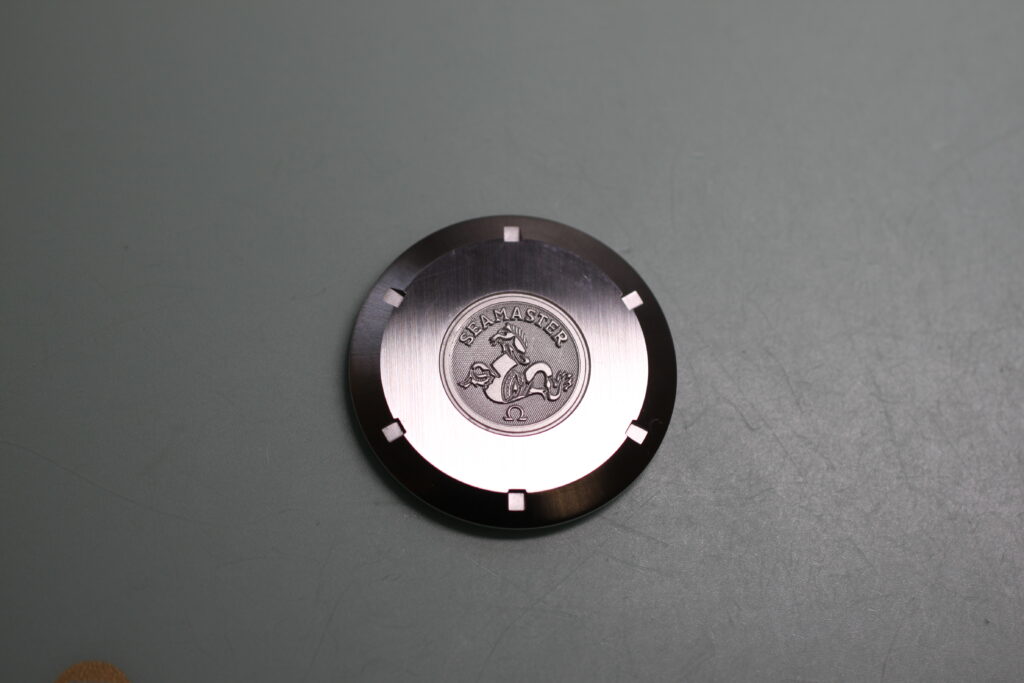
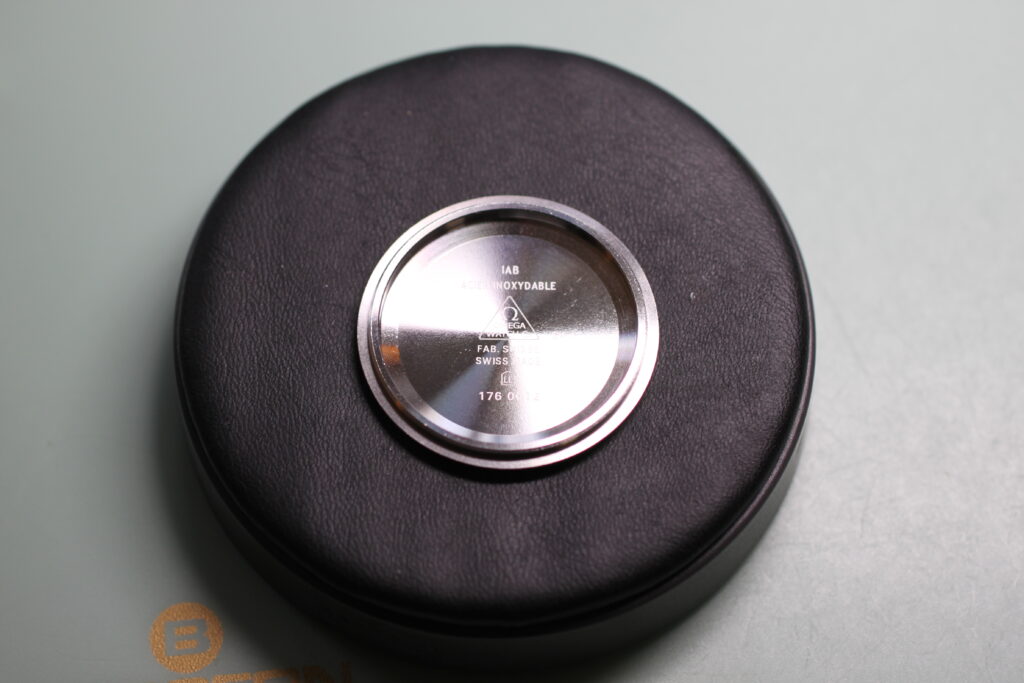
First, the centre is cut out on the lathe (Schaublin 70)…
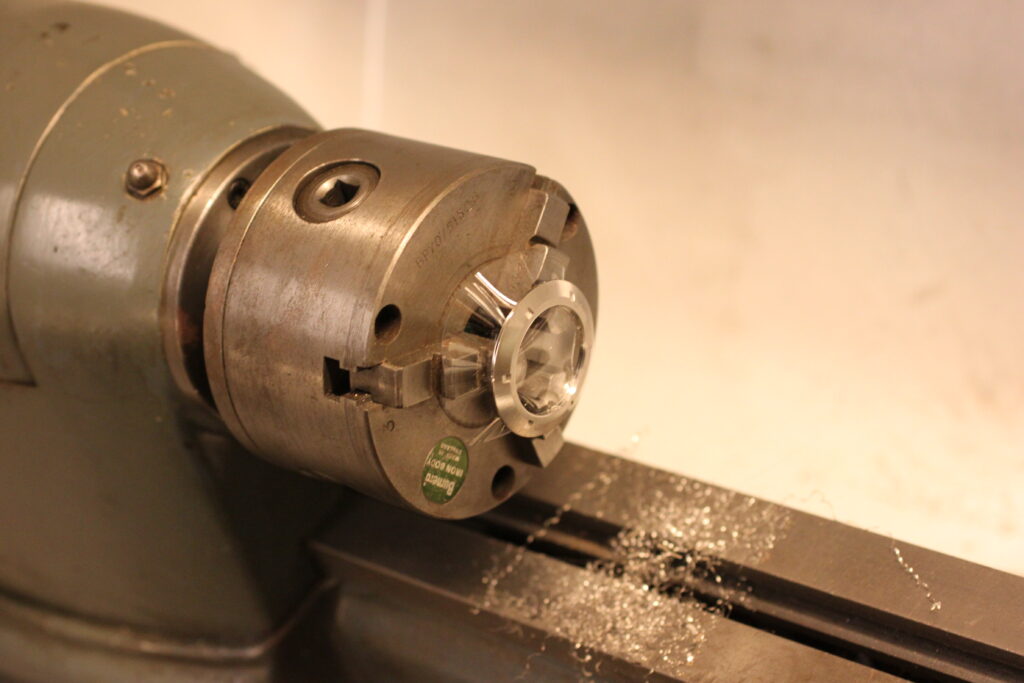
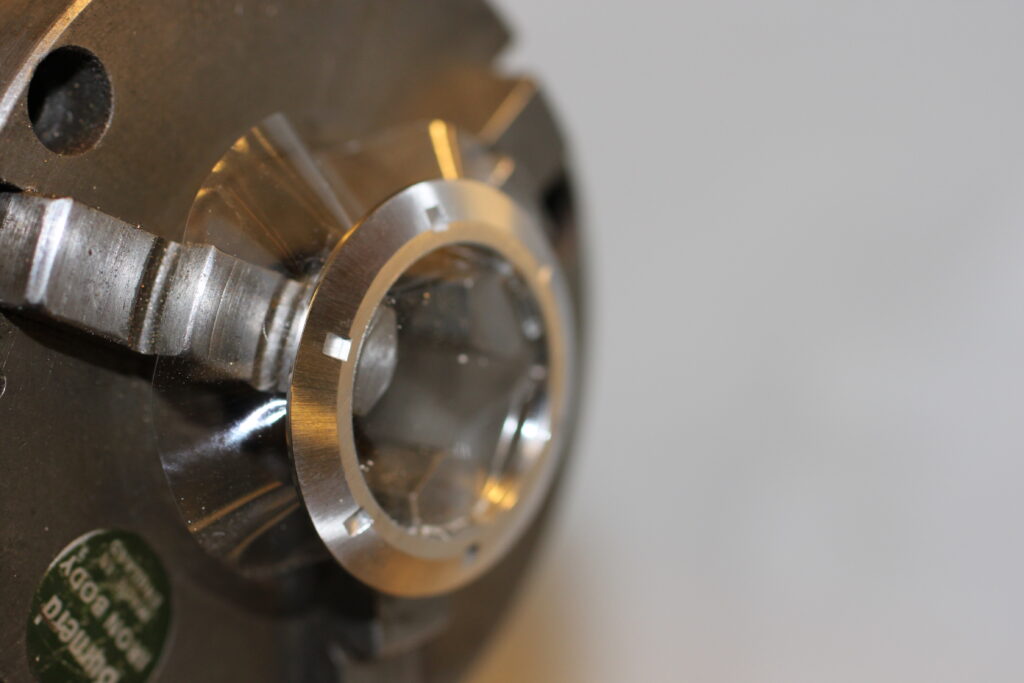
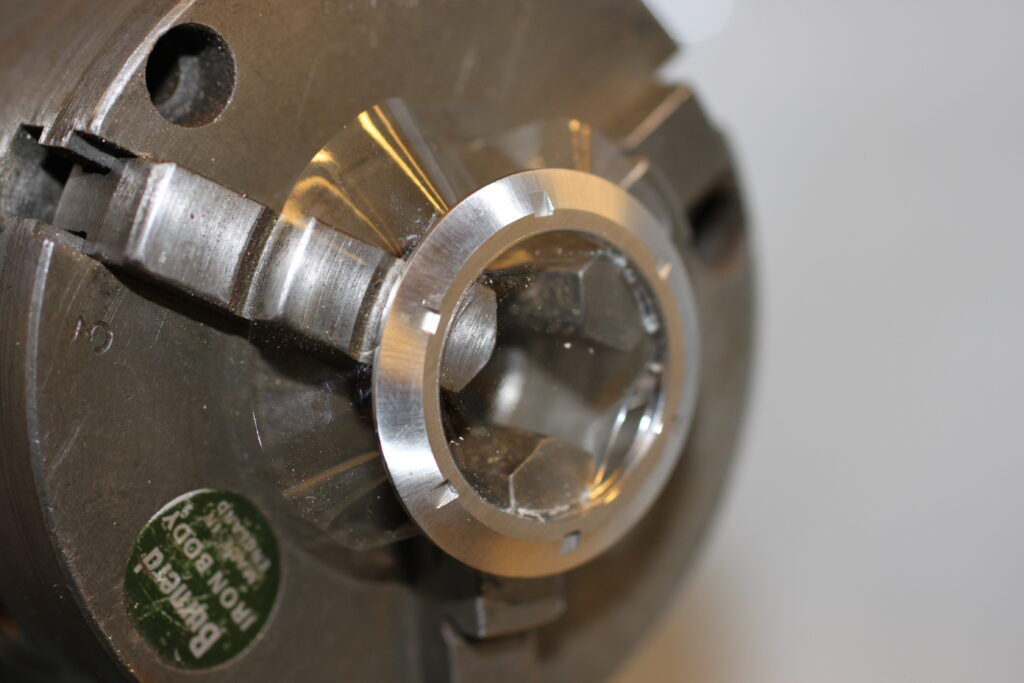
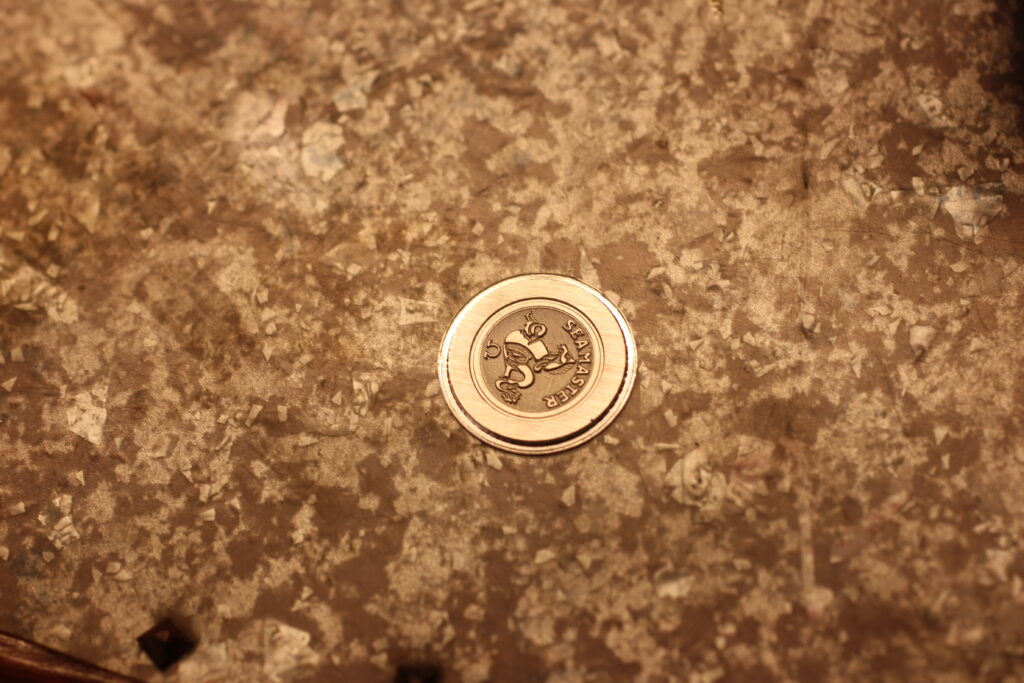
…and then a clean step is turned and deburred while still on the lathe. A sharp HSS boring tool is sufficient for internal turning of stainless steel. The outside diameter of the crystal seat is turned to an accuracy of one hundredth of a millimetre.
To provide a stop when pressing in the crystal, approximately 0.25 mm of material must remain on the underside. A case back therefore needs to be at least 0.9 mm thick for a crystal to be fitted sensibly at all.
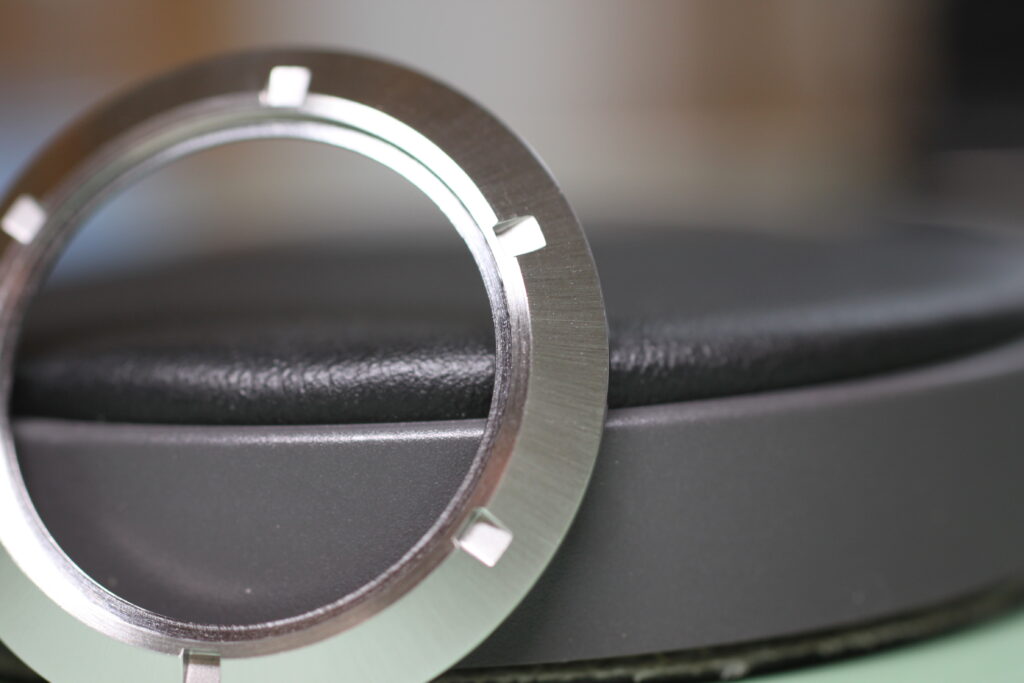
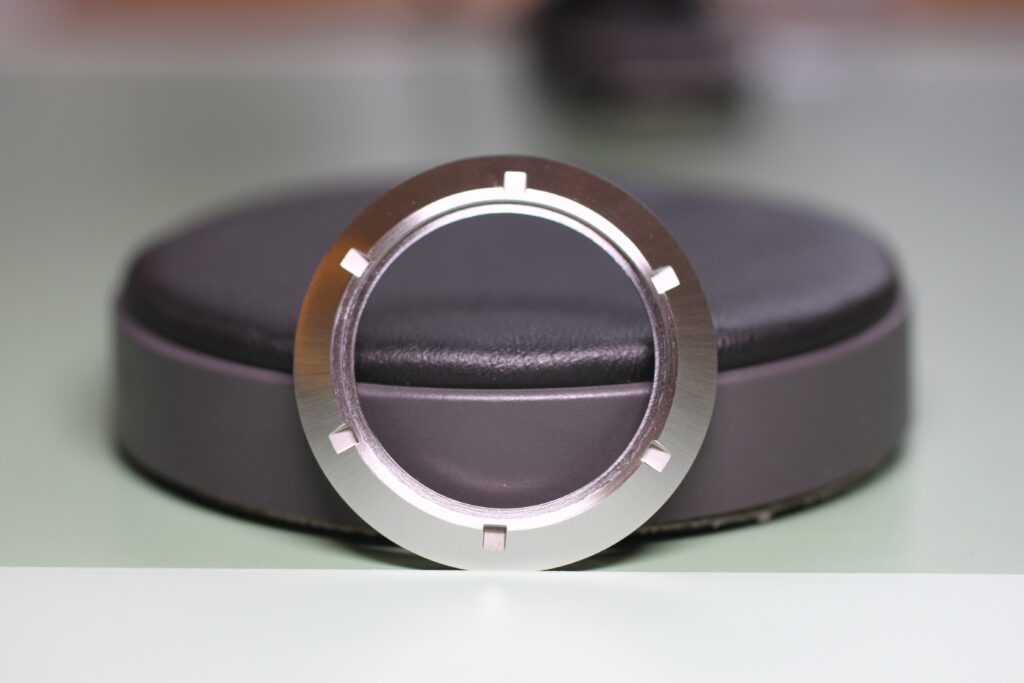
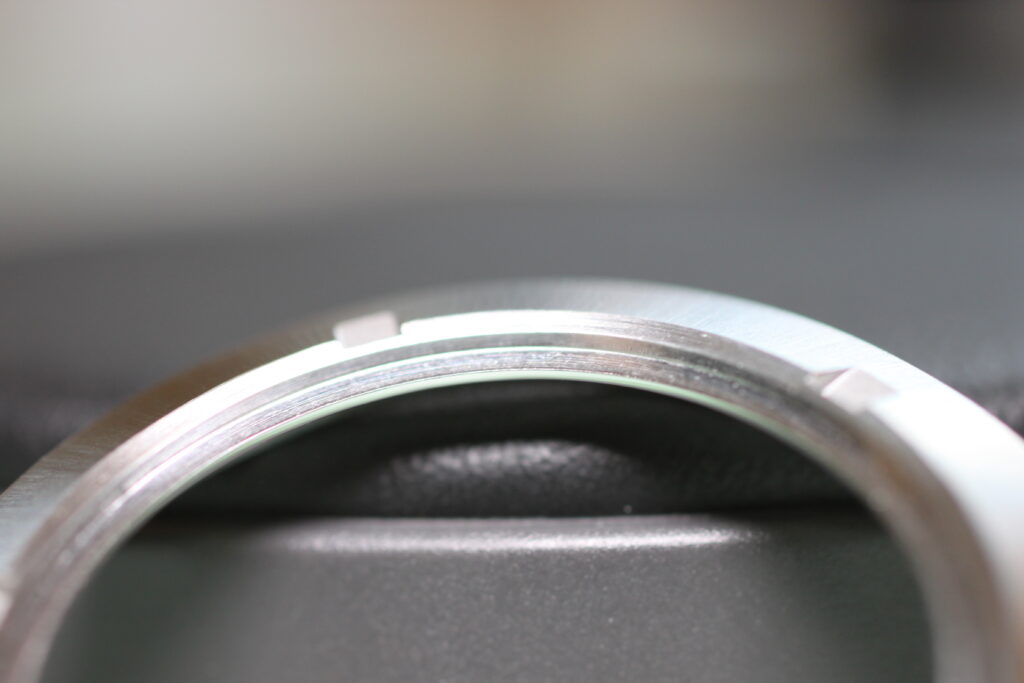
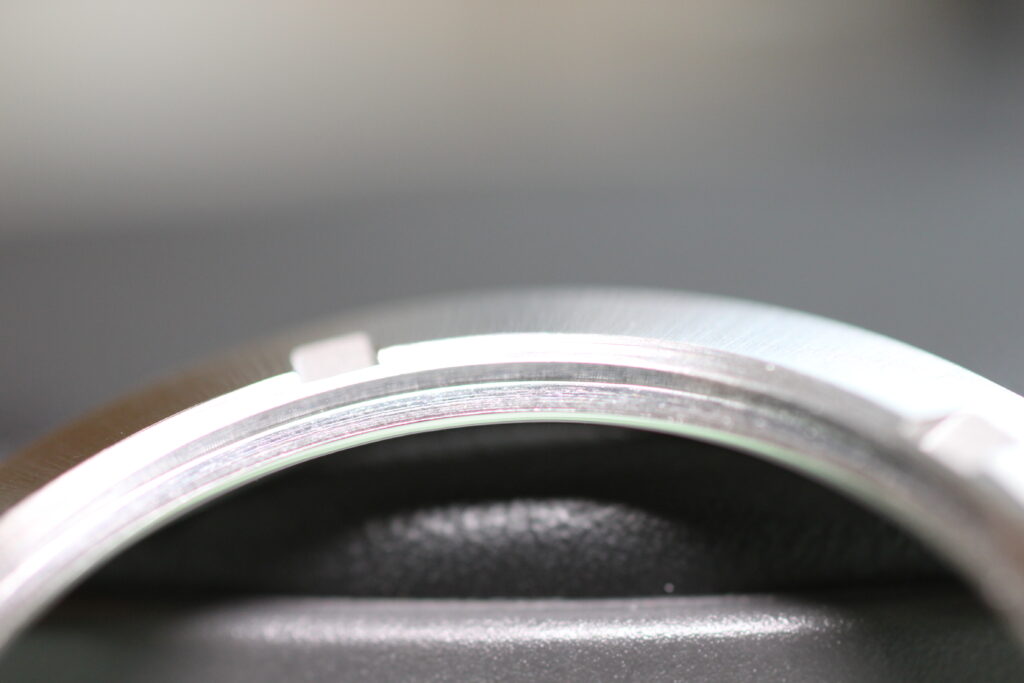
Here, a watch crystal is fitted with a crystal gasket measuring 0.35 mm in thickness. The outside diameter of the crystal is chosen to be exactly 0.6 mm smaller than the bored diameter. Together with the gasket (2×0.35 mm = 0.7 mm), this gives an interference fit of -0.1 mm.
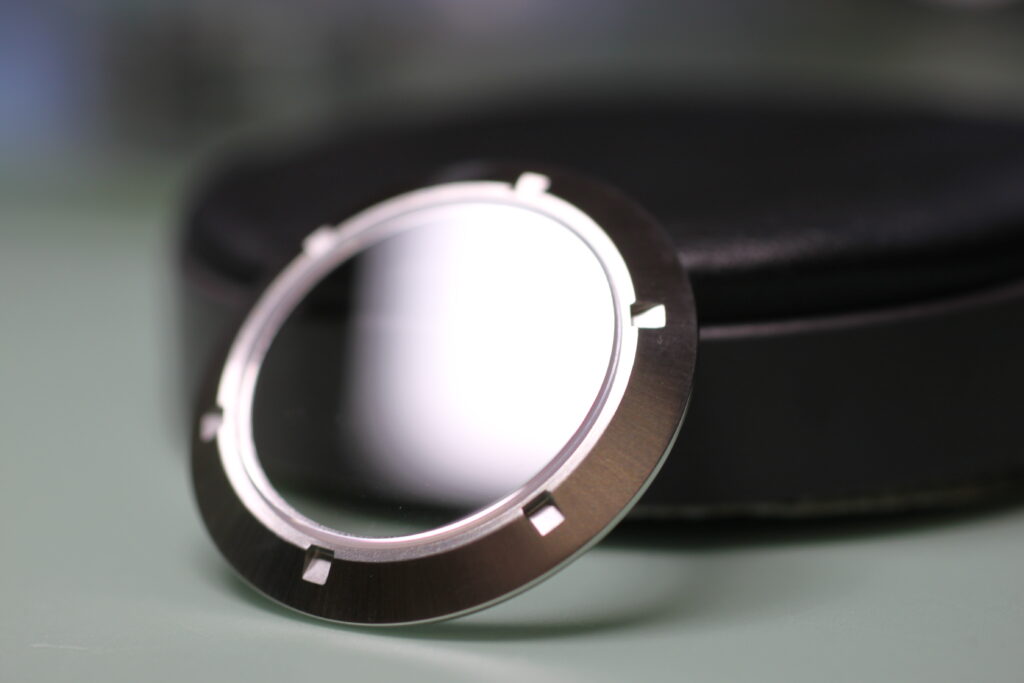
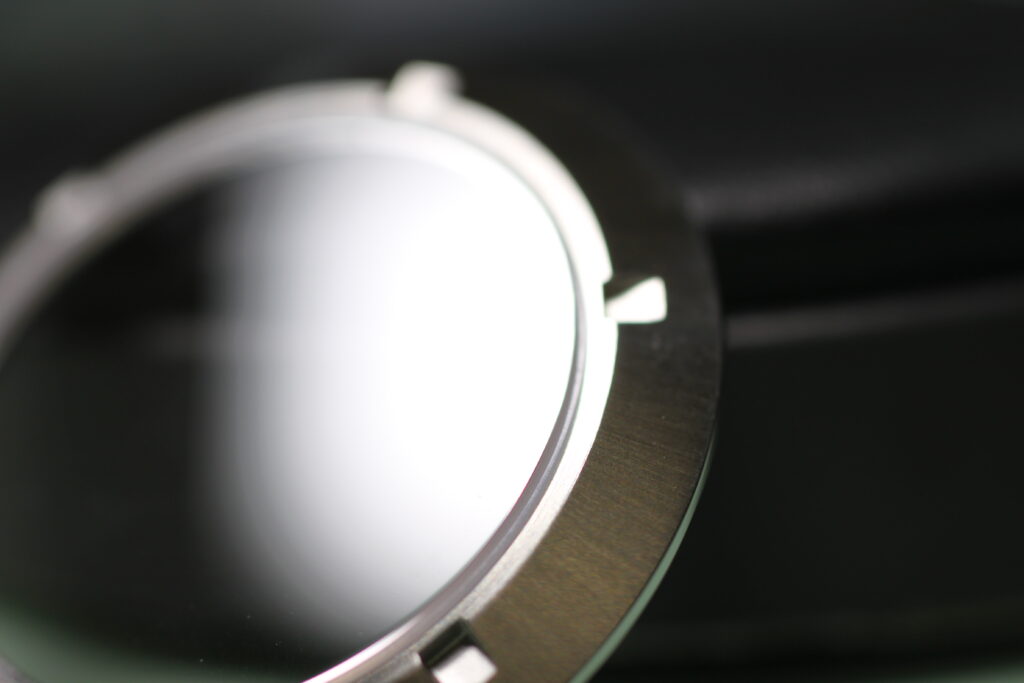
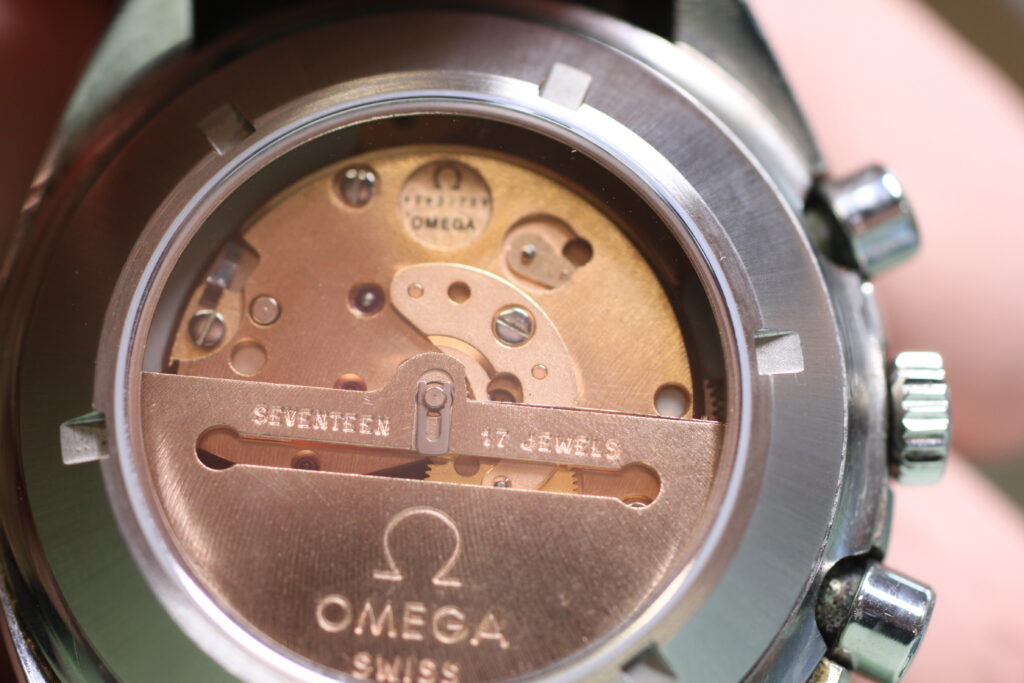
A sapphire crystal can very often be used; it is highly resistant to scratching.
The case remains water-resistant here, but the watch is not a diving watch either. In diving watches exposed to high pressures, a thin crystal in a display back is a weak point and can adversely affect water resistance.
A display back should therefore only be considered for a diving watch if its case back is very substantial: a very thick, robust crystal can then be used, preserving water resistance as well as possible. However, as this modifies the model, no warranty can be given for its original water resistance. Anyone wishing to be on the safe side should therefore avoid this modification.
Comments
Tom · 2025-04-27
Robin Israel · 2025-05-16