Watchmaking tools
A few impressions from the watchmaking workshop.
Machines, test equipment and the workbench
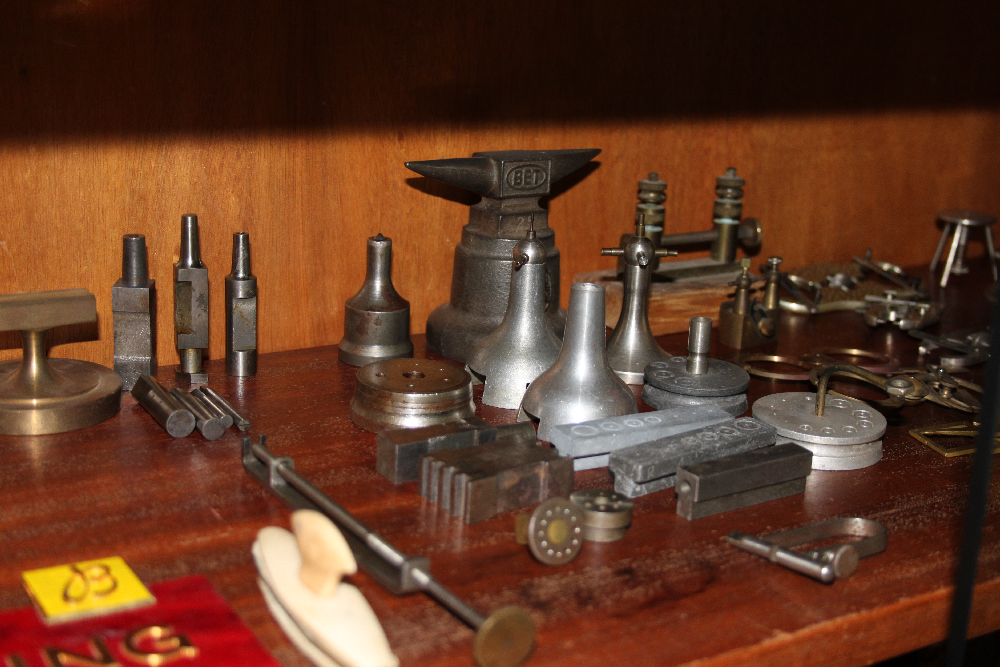
Hardened supports with different holes and recesses support small parts during riveting, pressing and driving out.
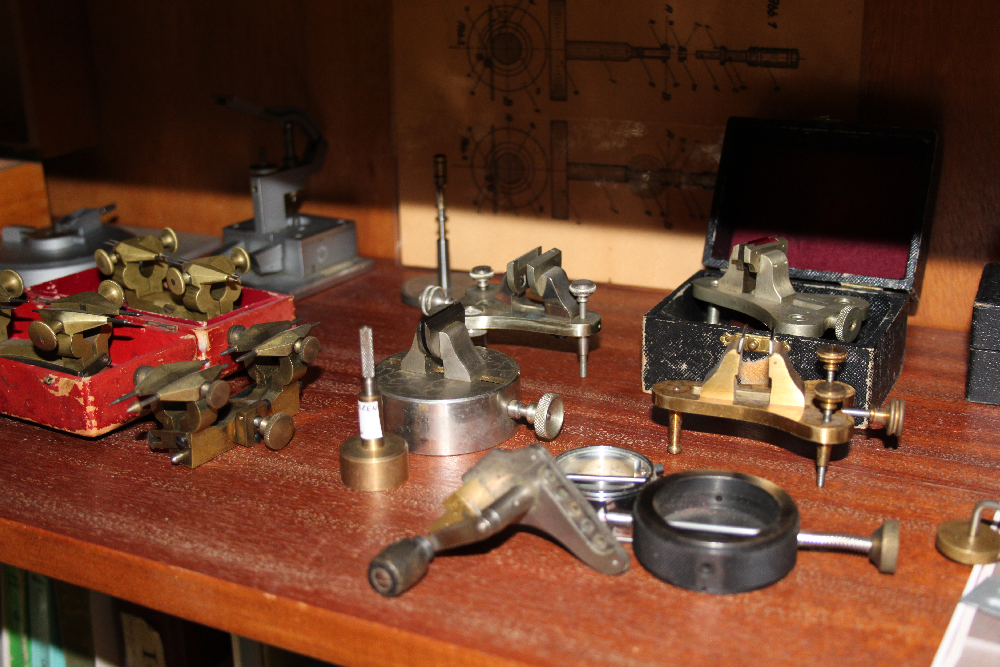
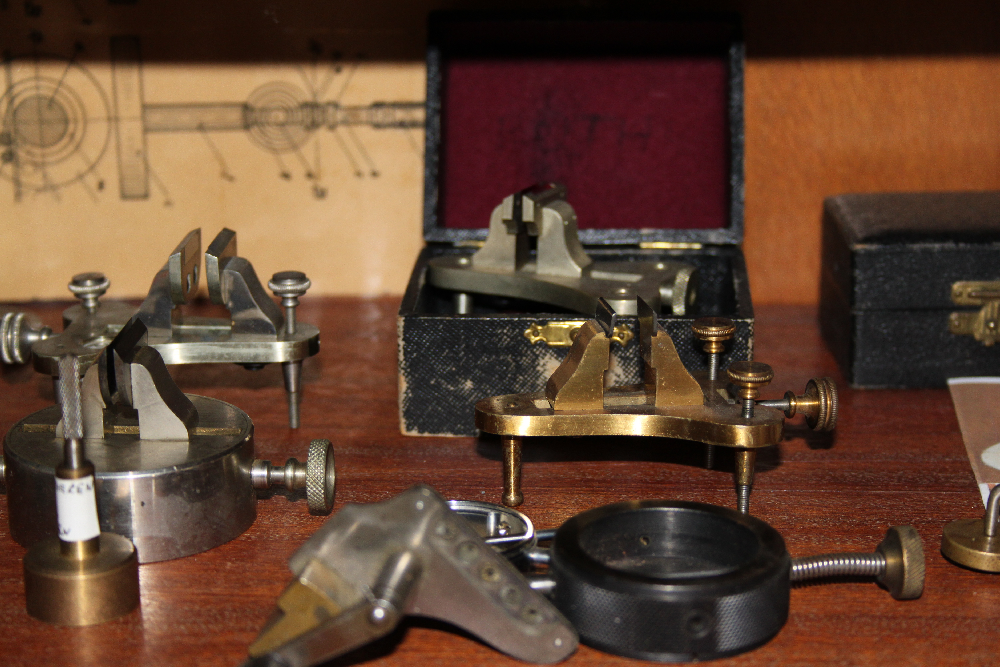
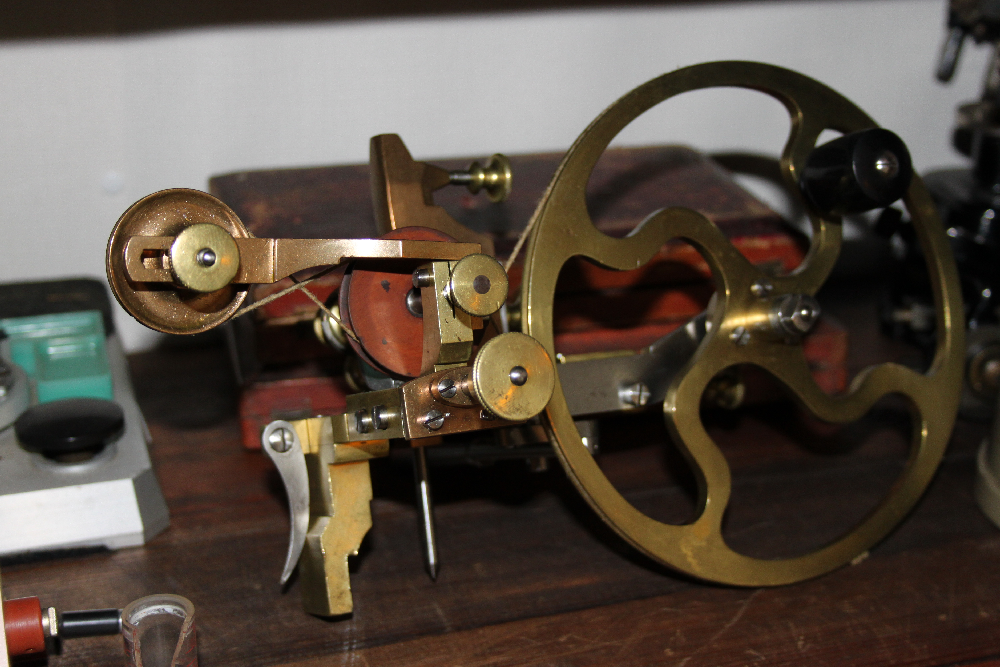
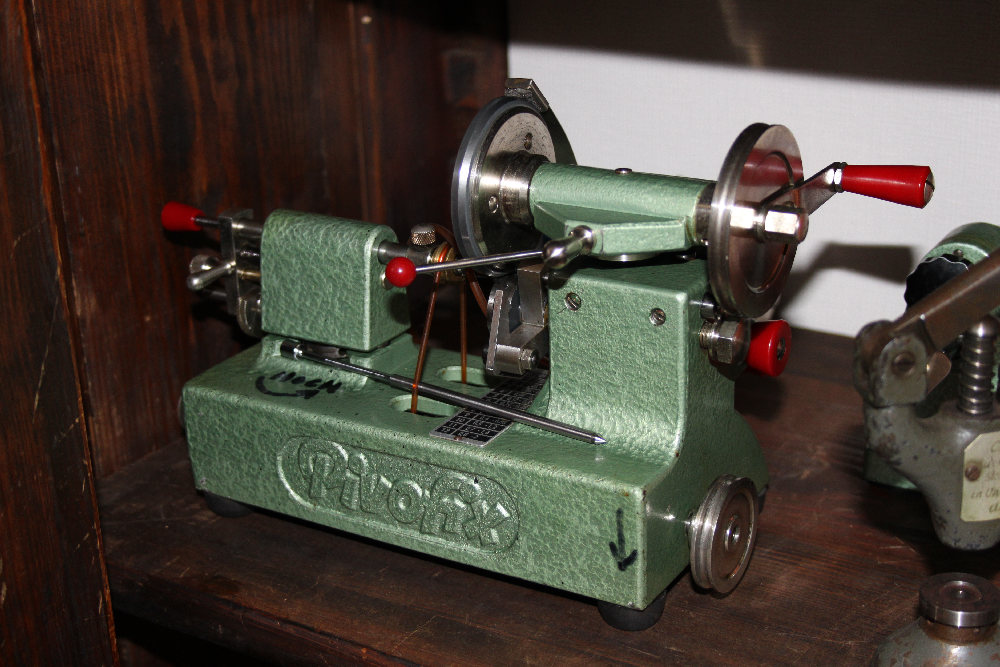
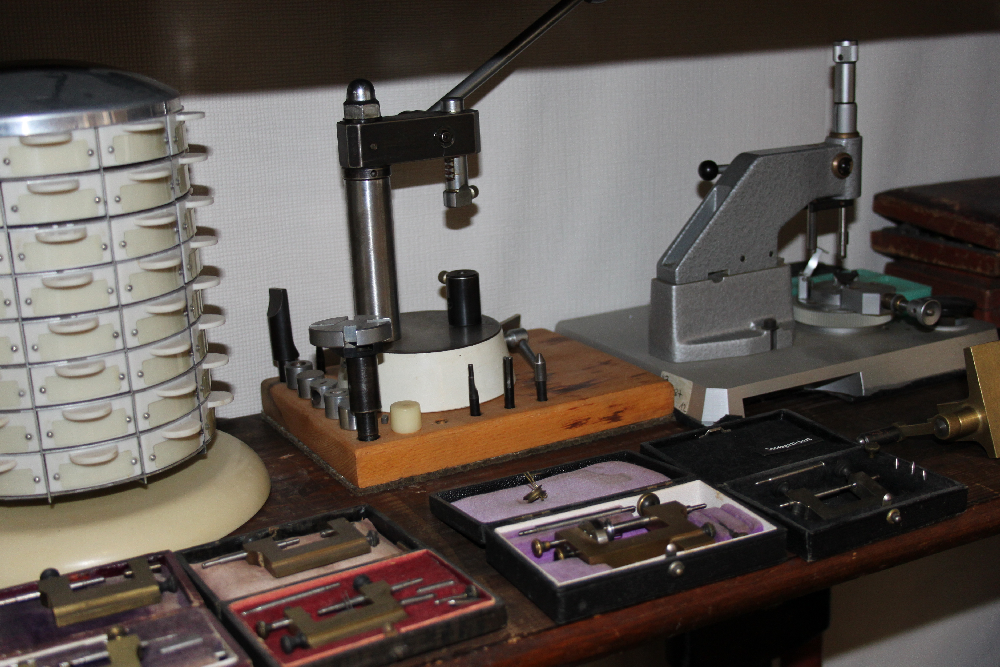
Guided stakes and suitable supports allow riveting and pressing work; the jewelling press is used to insert bearing jewels precisely.
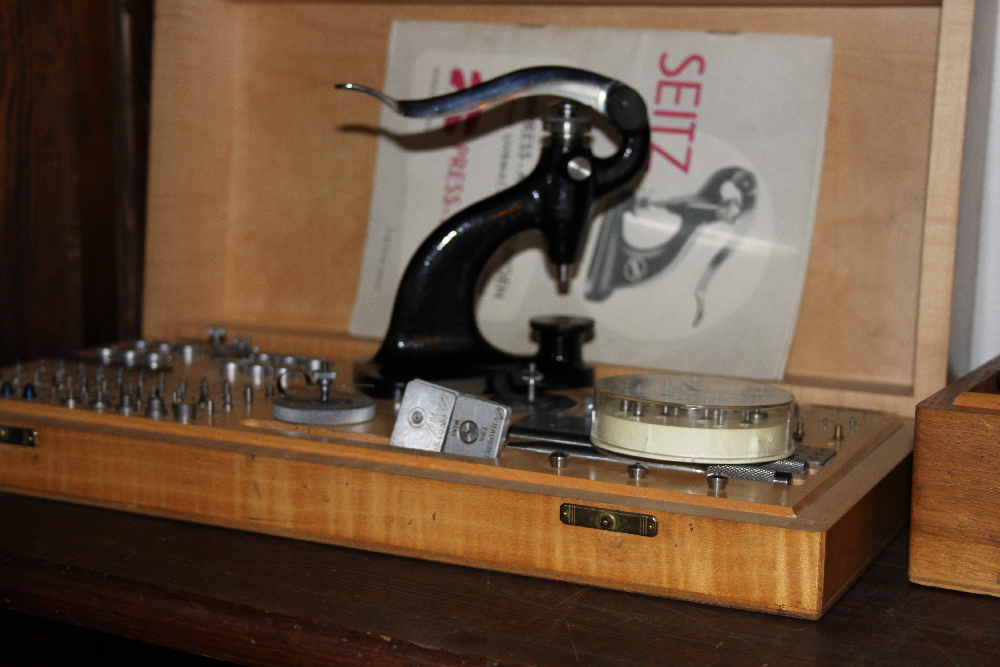
Suitable pushers and an adjustable pressing depth allow bearing jewels to be inserted in a controlled manner and their height to be adjusted.
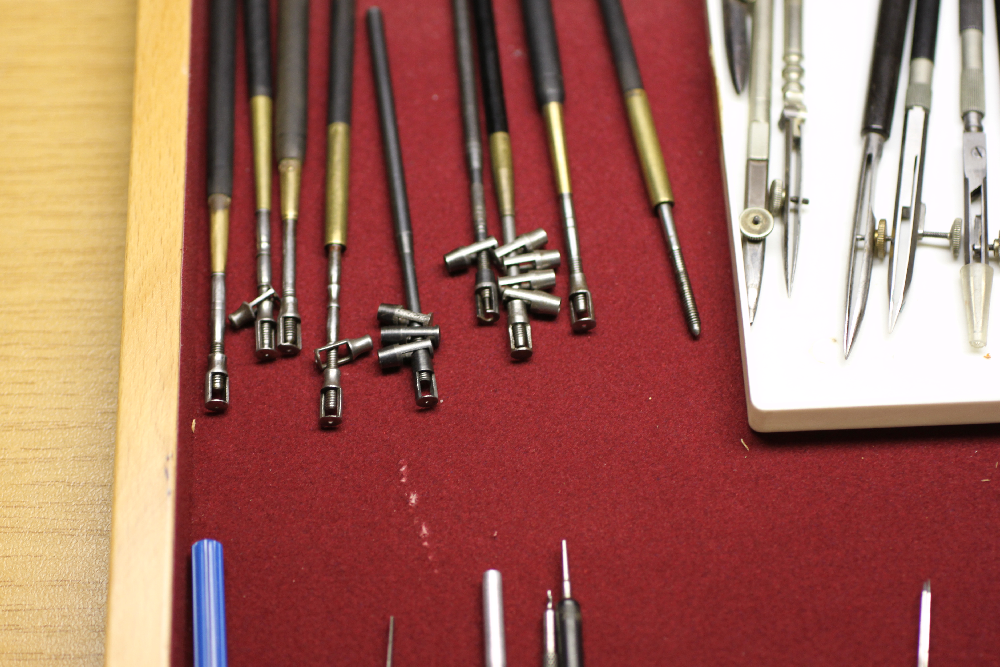
Small holding tools grip delicate parts; dividers are used to measure and transfer distances.
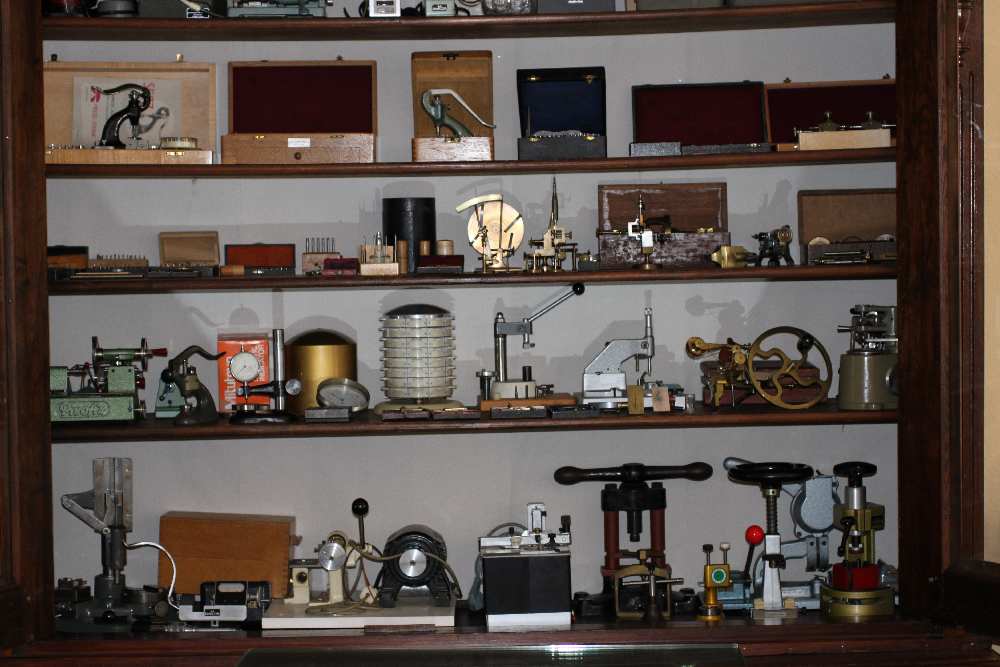
Historical and modern equipment complement each other in the repair and manufacture of watch parts.
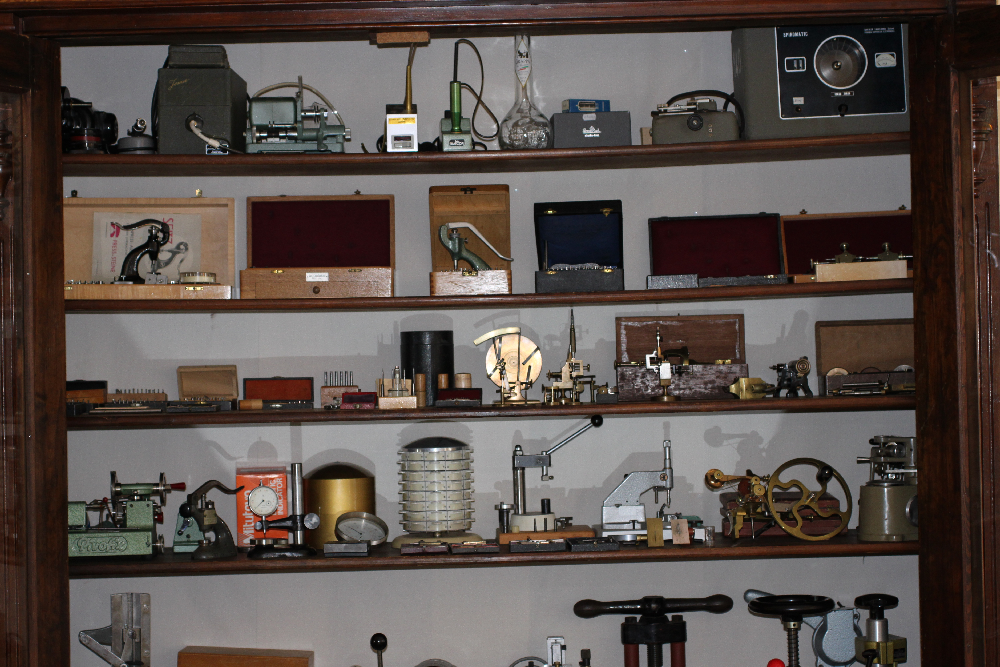
Another look at test equipment, presses and aids used in the watchmaking workshop.
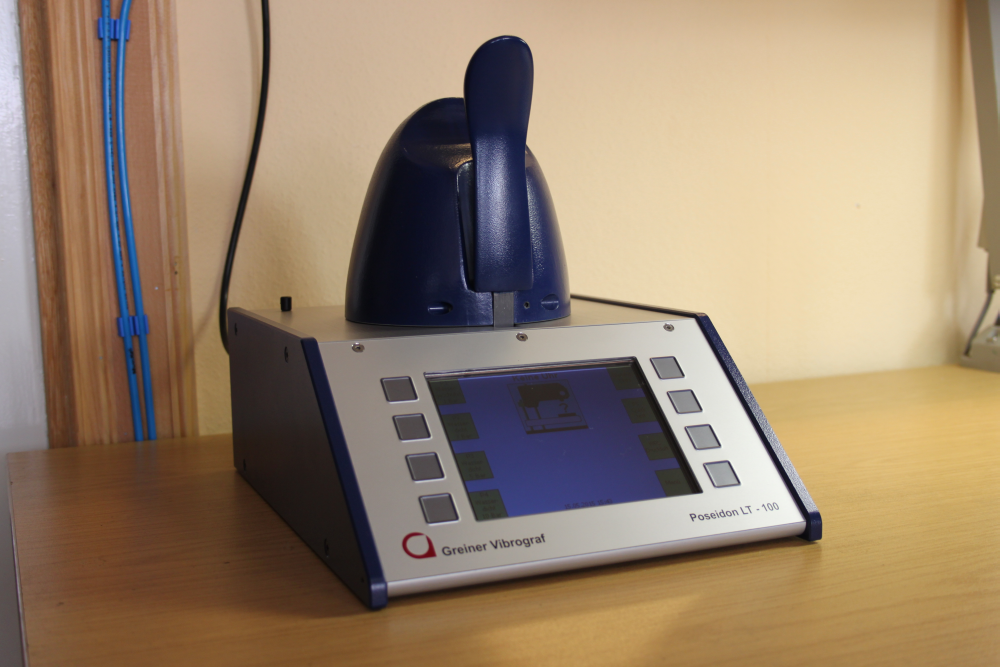
In an air-pressure test, deformation of the watch case under positive or negative pressure is measured.
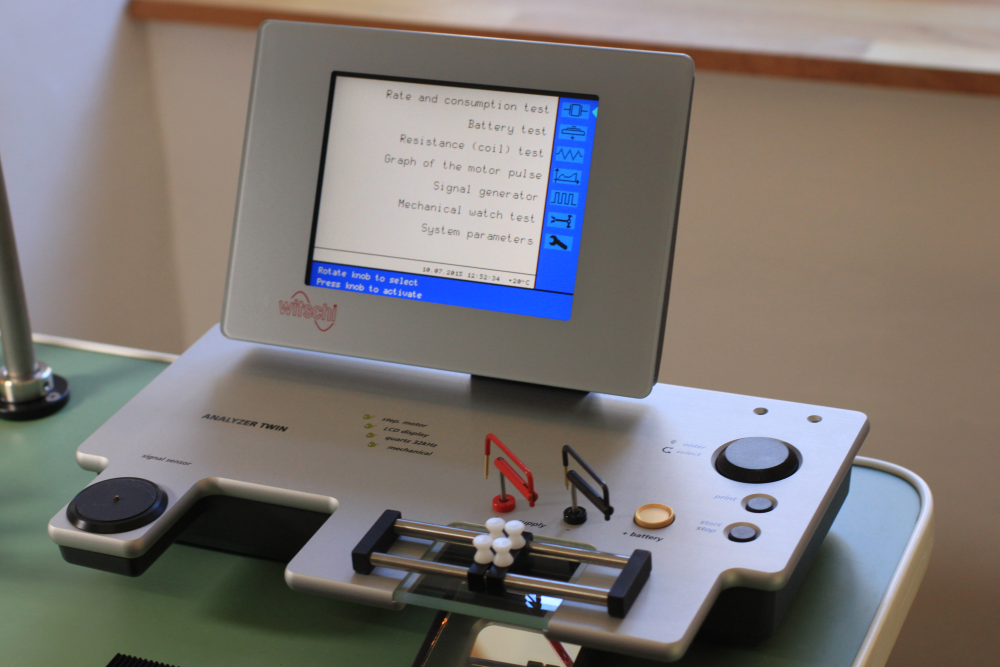
Electrical measurements help to check the battery, current consumption and electronic movements.
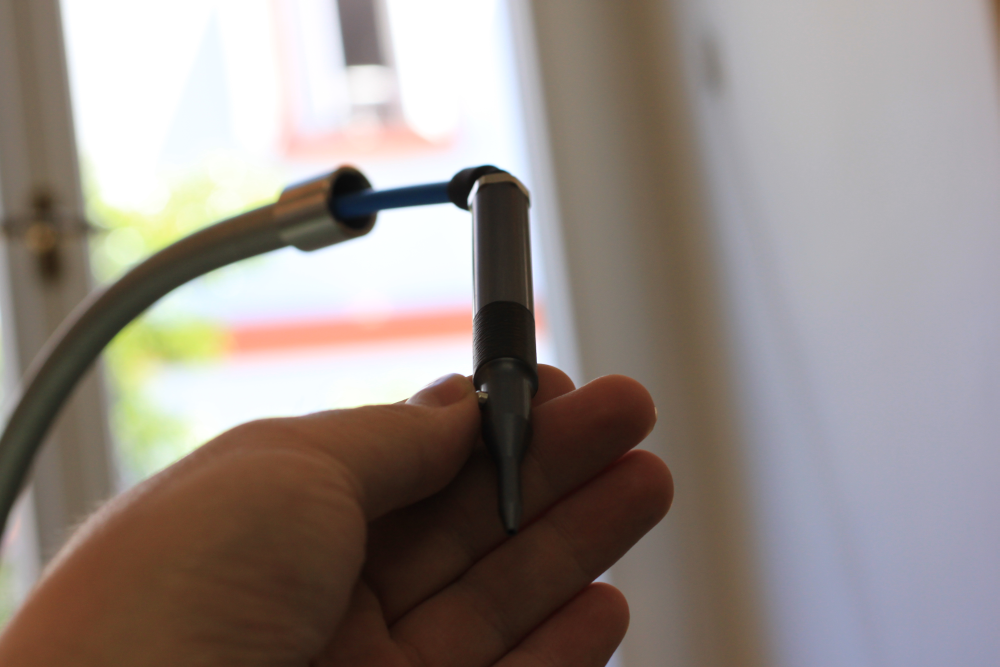
The handpiece transmits a motor's rotation to small drills, grinding tools or polishing tools.
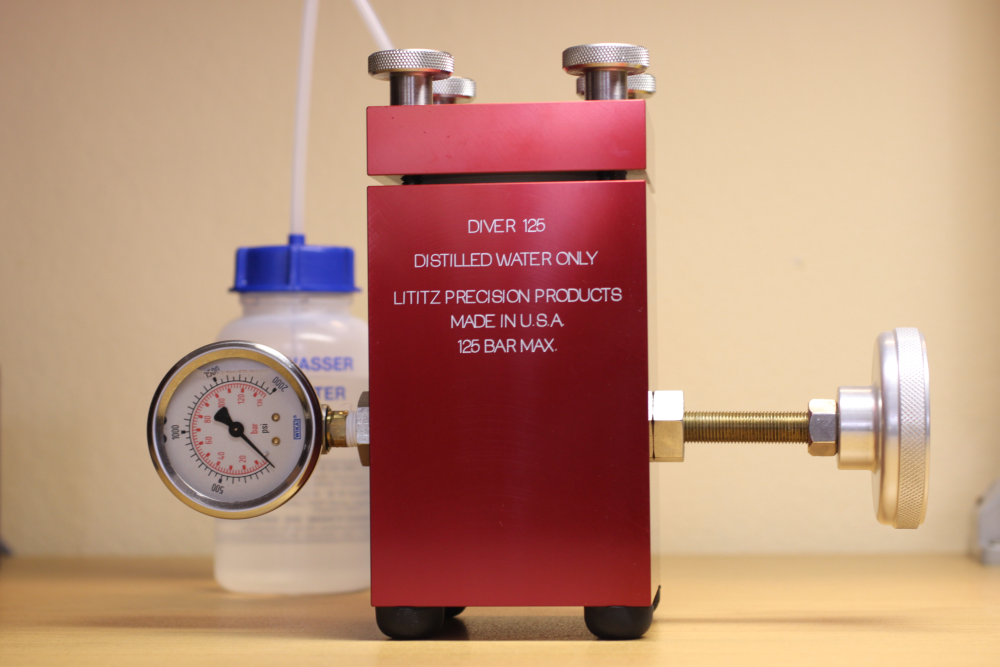
The case is subjected to water pressure; a subsequent condensation test shows whether moisture has entered.
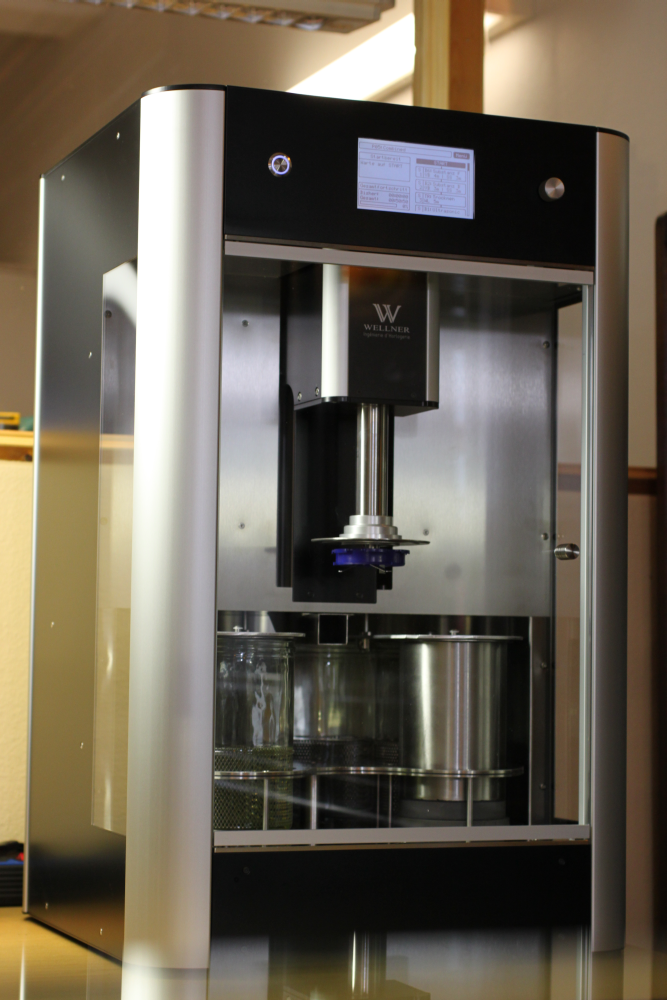
Dismantled movement parts are cleaned, rinsed and dried in baskets.
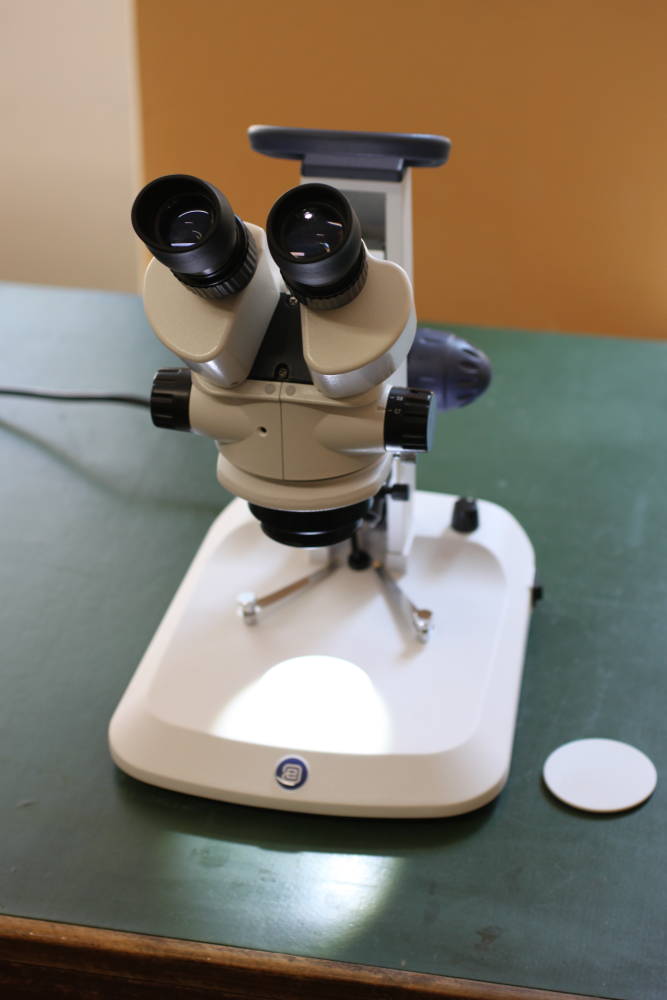
Three-dimensional magnification makes it easier to inspect very small components and carry out delicate assembly work.
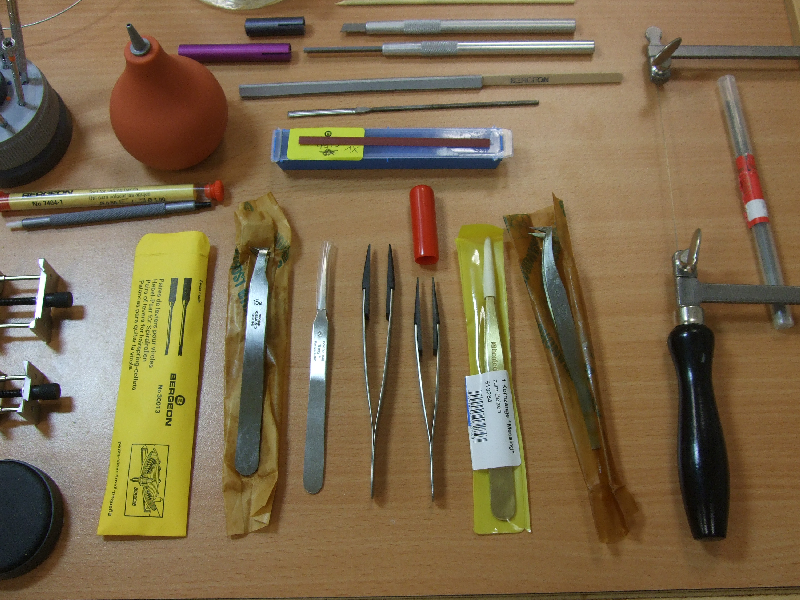
Tweezers grip and position small components; their tips must suit the task and be clean and correctly aligned.
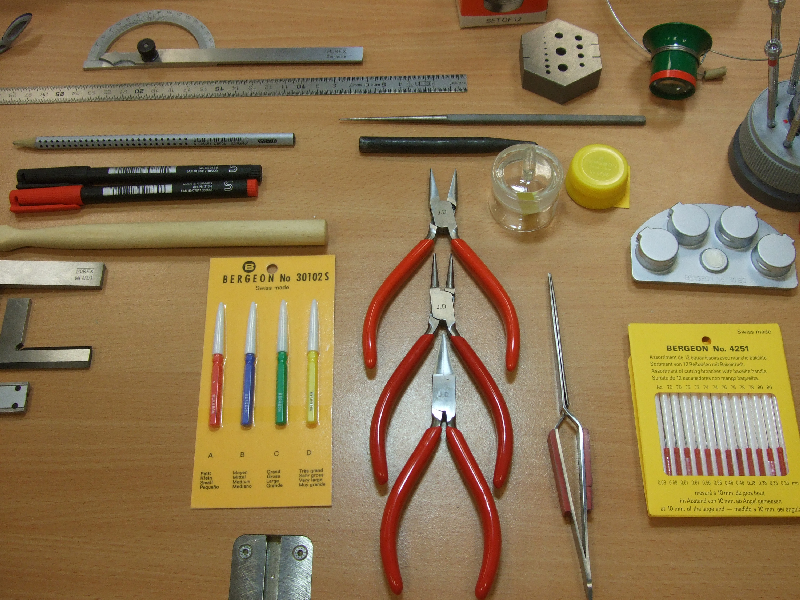
Pliers hold or shape workpieces, while oilers apply small quantities of lubricant precisely to the lubrication point.
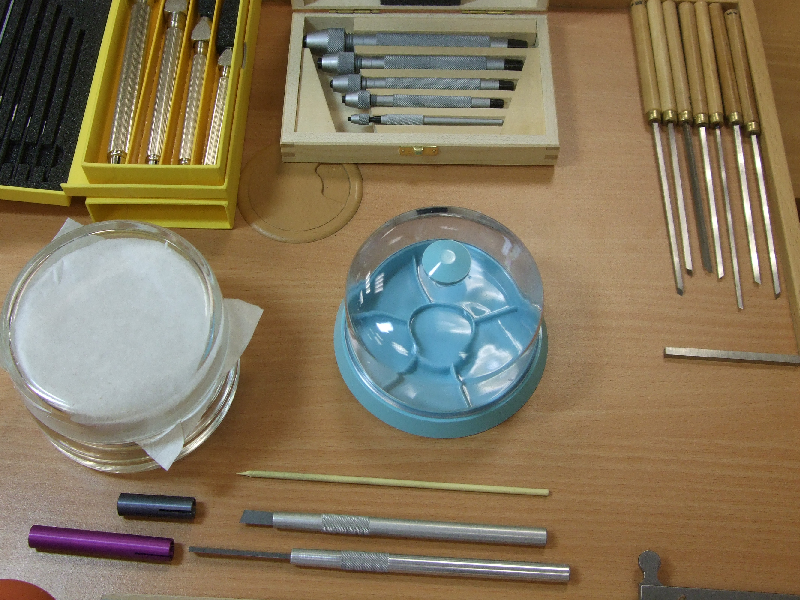
Parts trays keep dismantled components organised; suitable screwdrivers and files are basic workshop equipment.
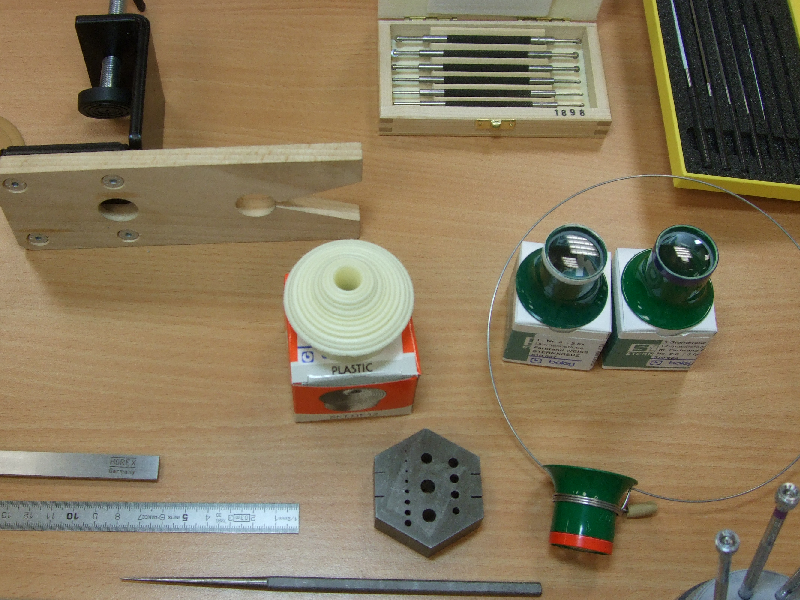
Movement holders support the uncased movement; oil cups and oilers are used to apply measured amounts of lubricant.
Staking tool and accessories
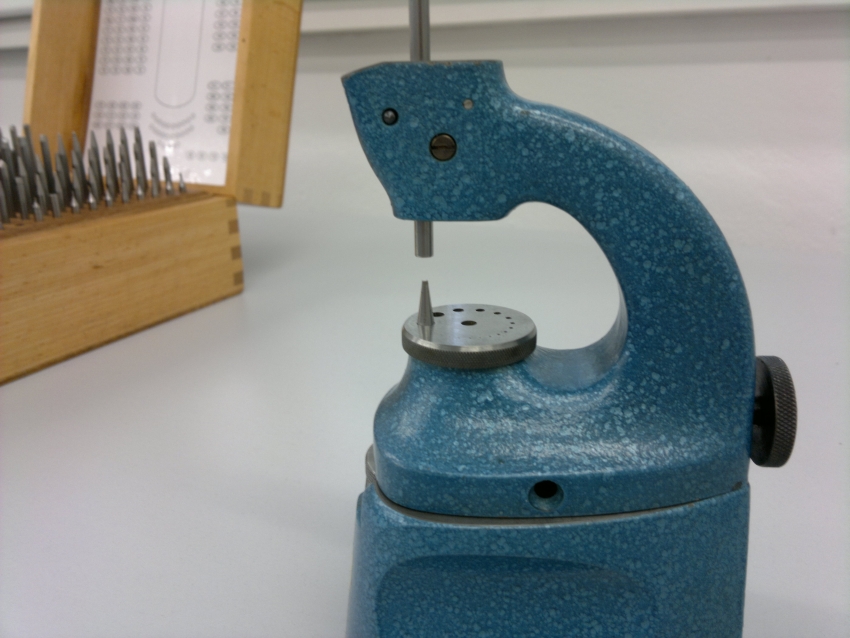
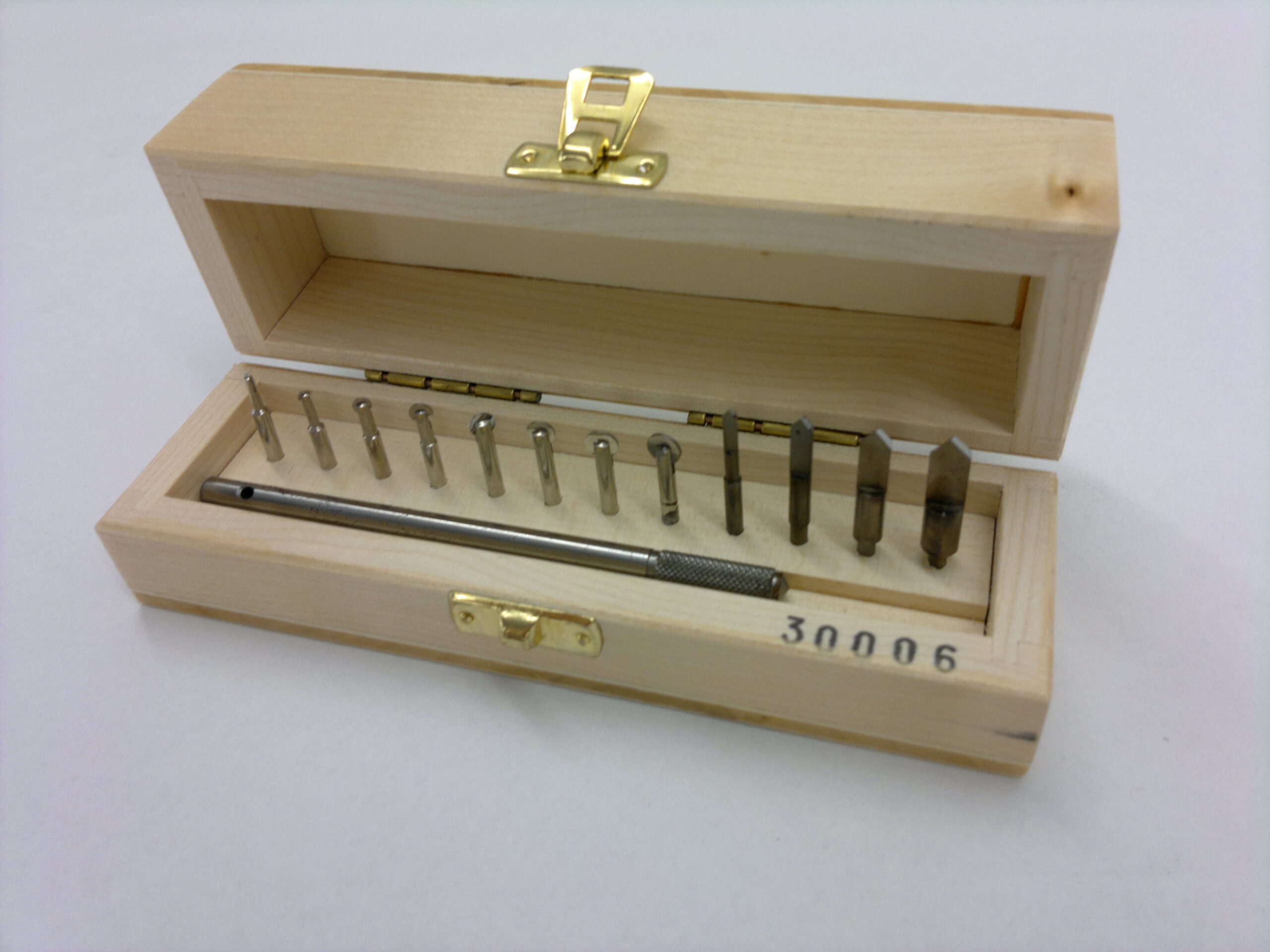
The guide holds the stake perpendicular to the support. Suitable stakes and anvils allow riveting, pressing-in and driving-out operations.
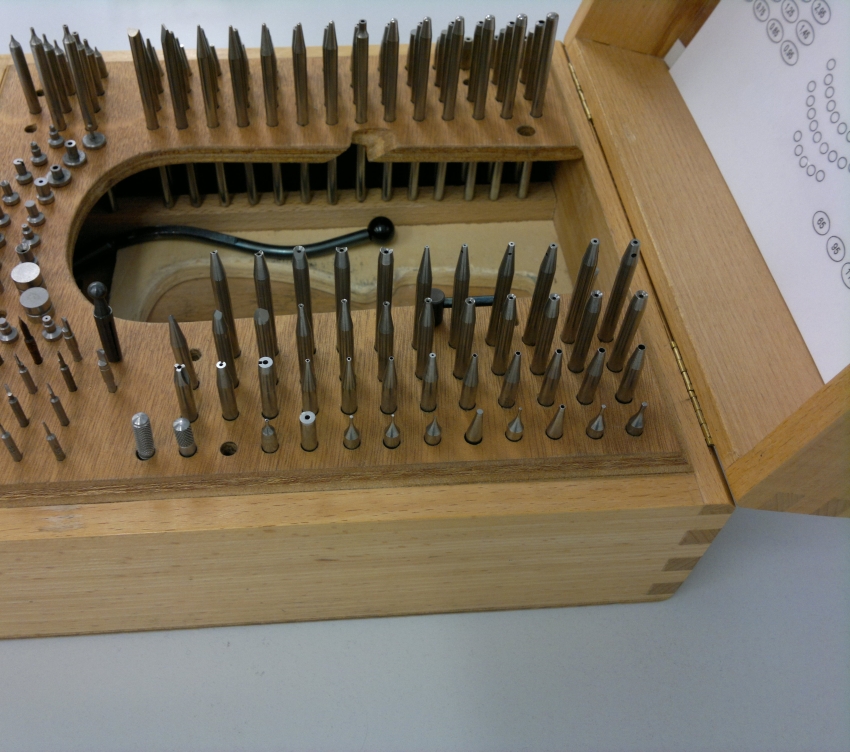
The different end profiles, holes and supports are selected to suit the workpiece and the riveting or pressing operation.
Measuring instruments and hand tools
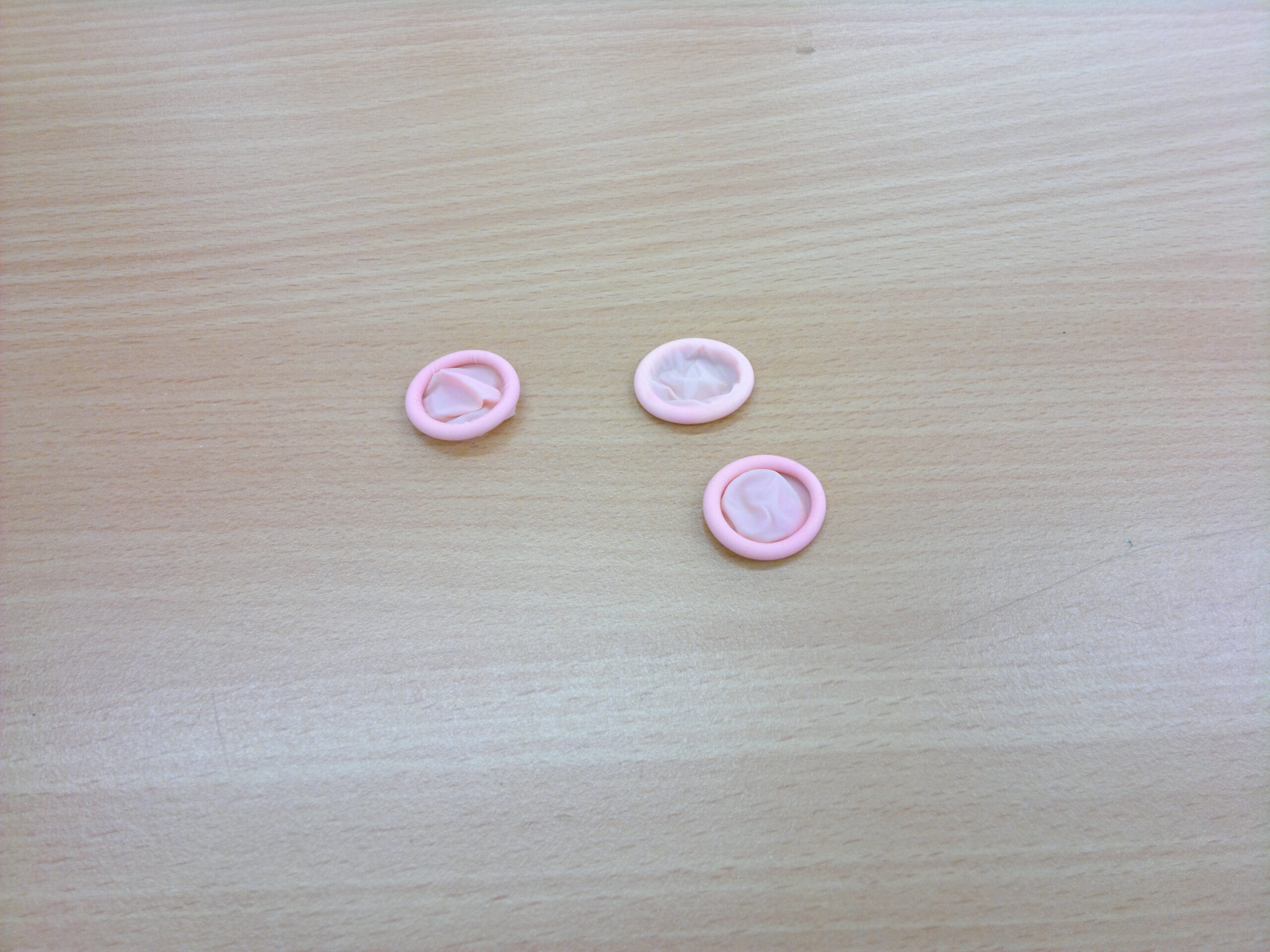
They reduce direct contact between the fingers and sensitive surfaces or freshly cleaned parts.
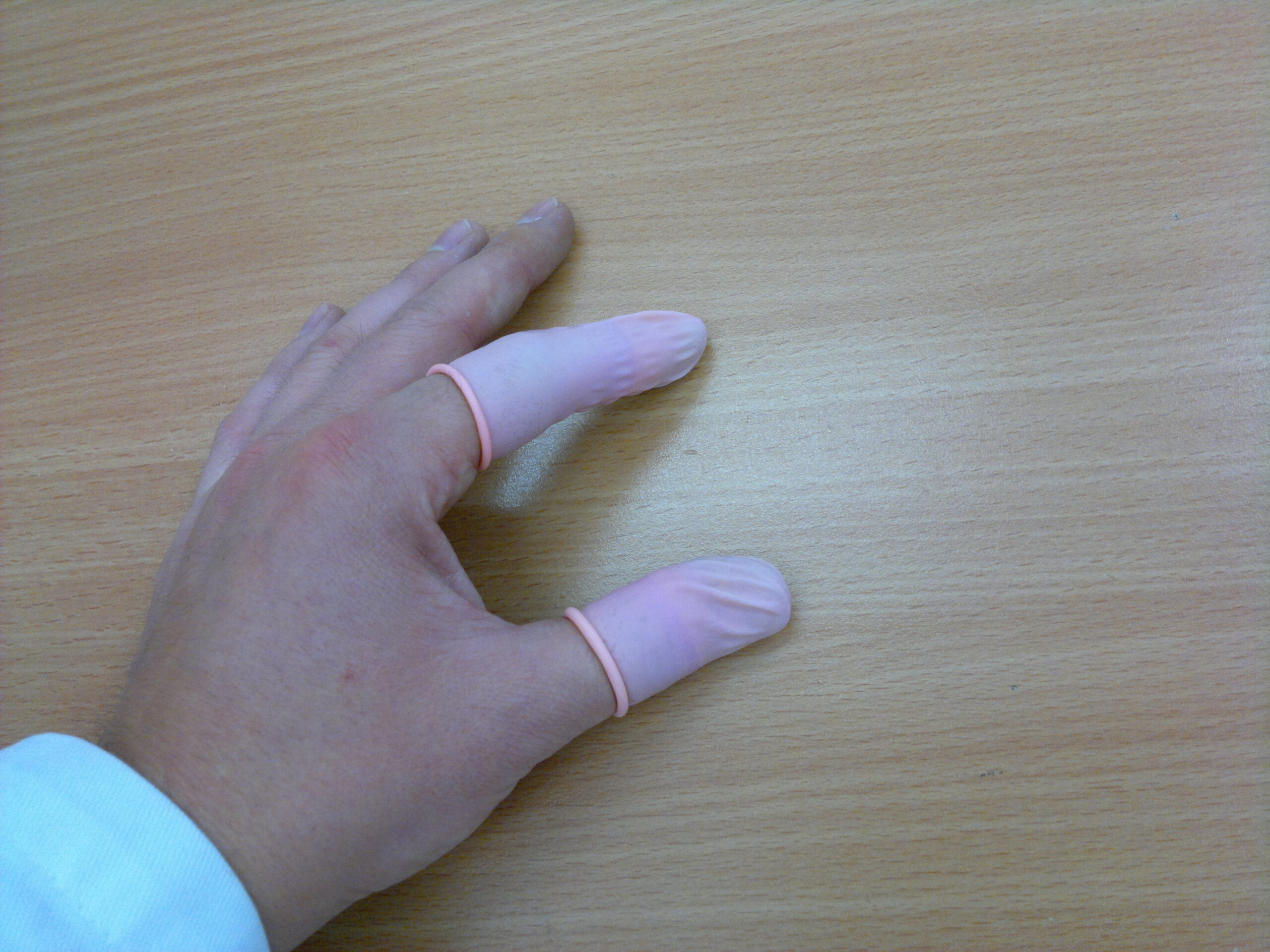
Finger cots protect the parts being handled from fingerprints and skin residues.
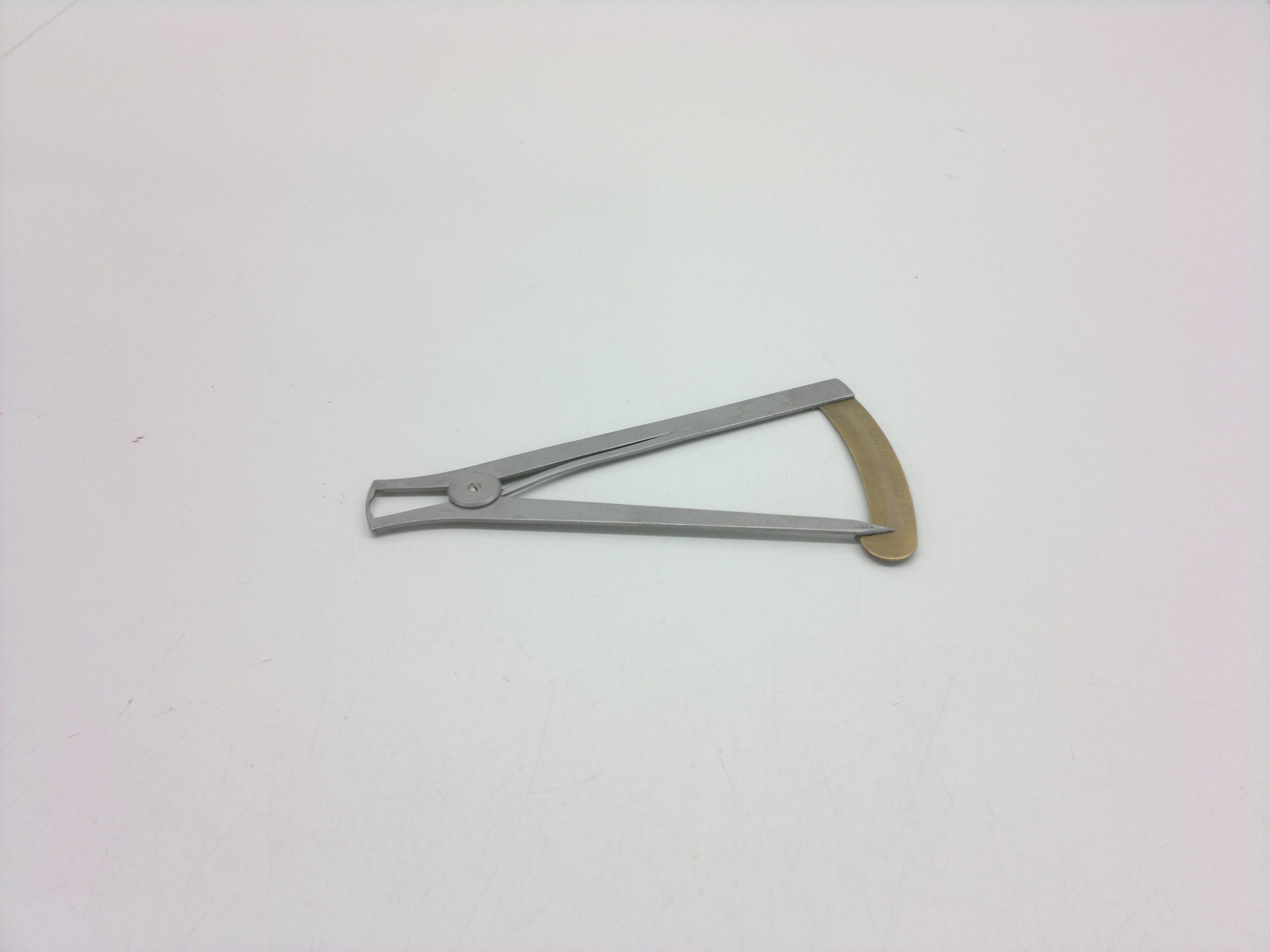
This traditional measuring instrument is used to measure small external dimensions, for example on watch parts.
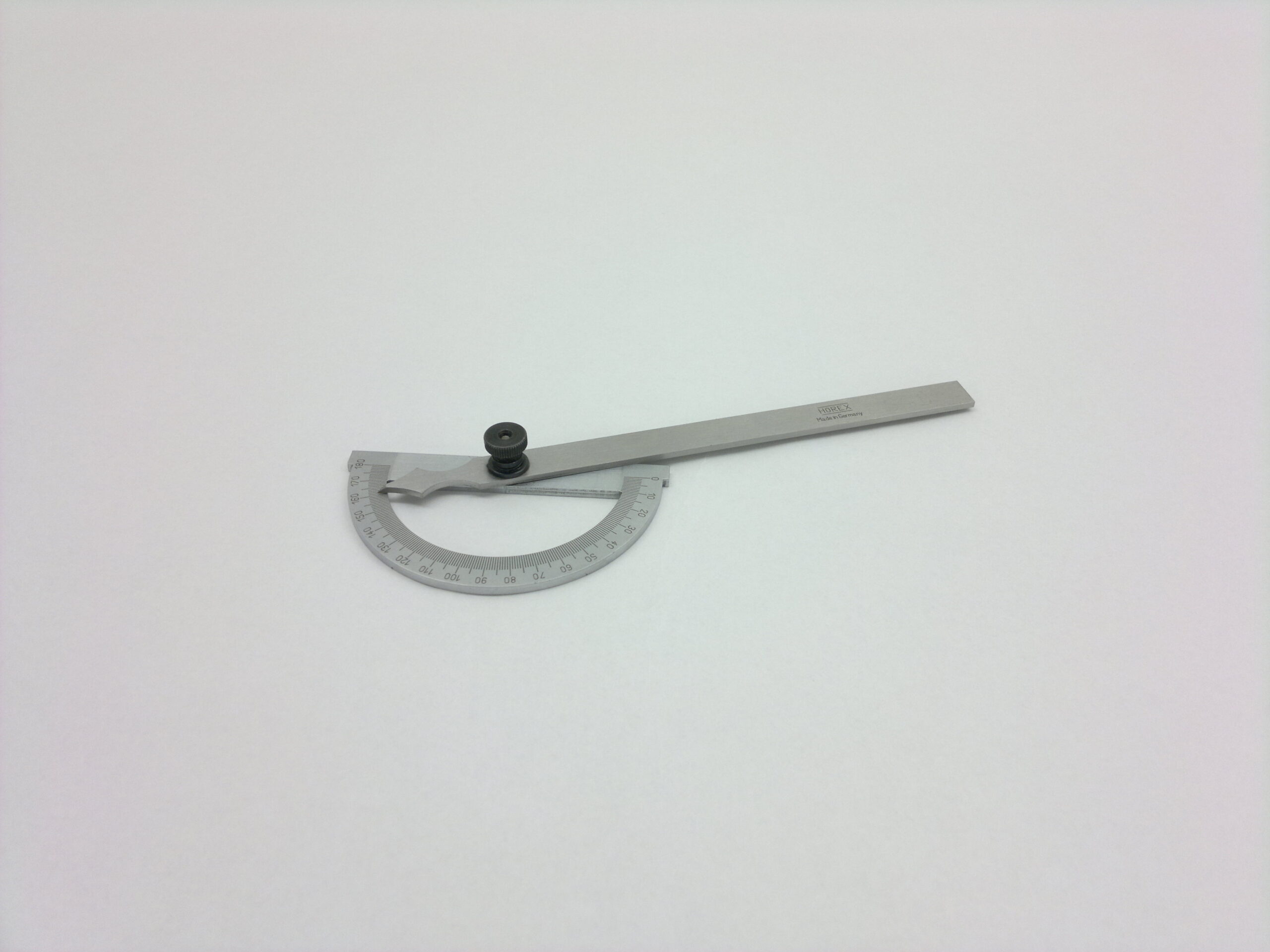
Used to measure or check angles on workpieces.
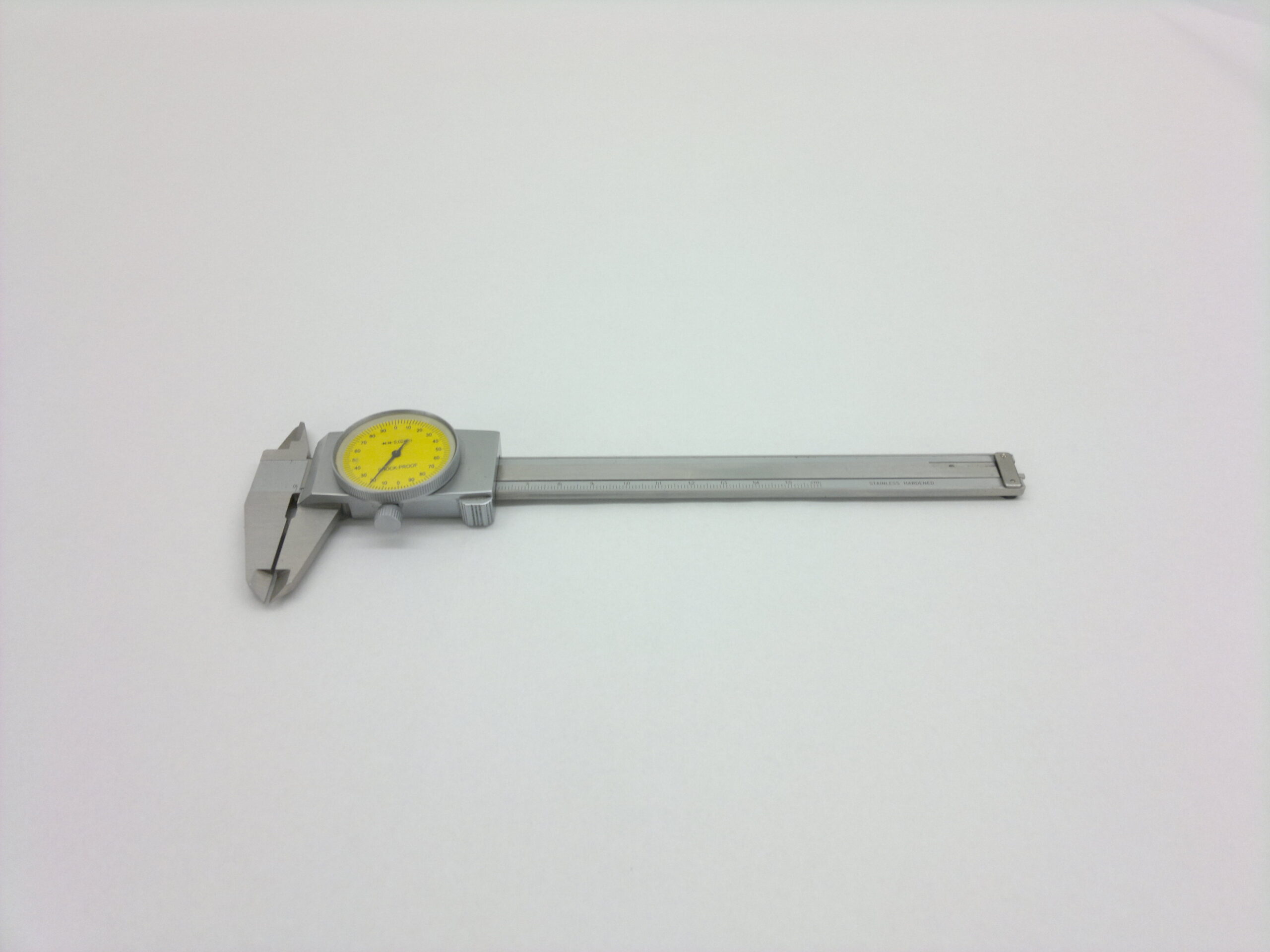
The dial indicates the movement of the slider; the measuring jaws take external and internal measurements.
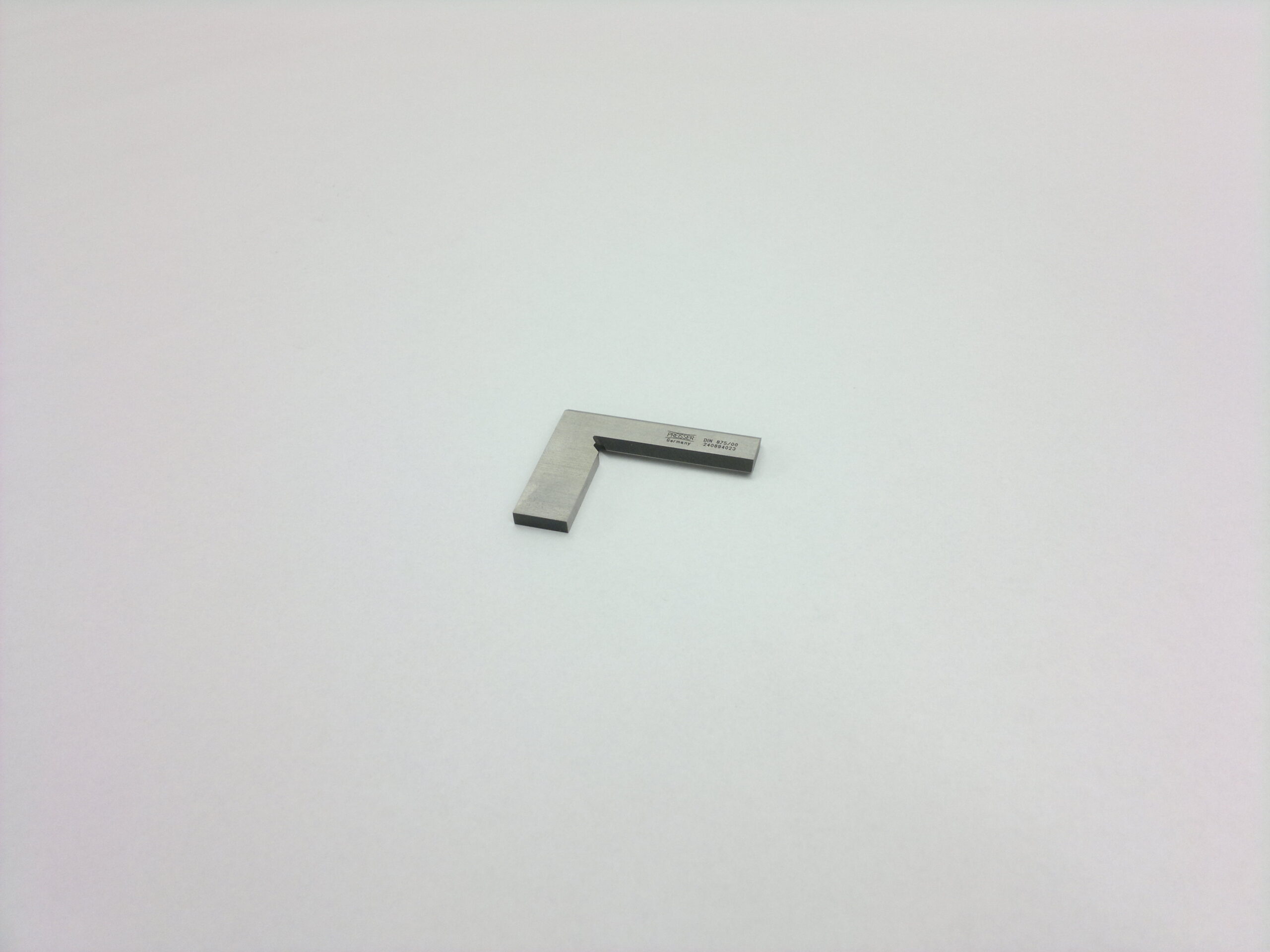
The square is used to check surfaces for squareness and scribe reference lines.
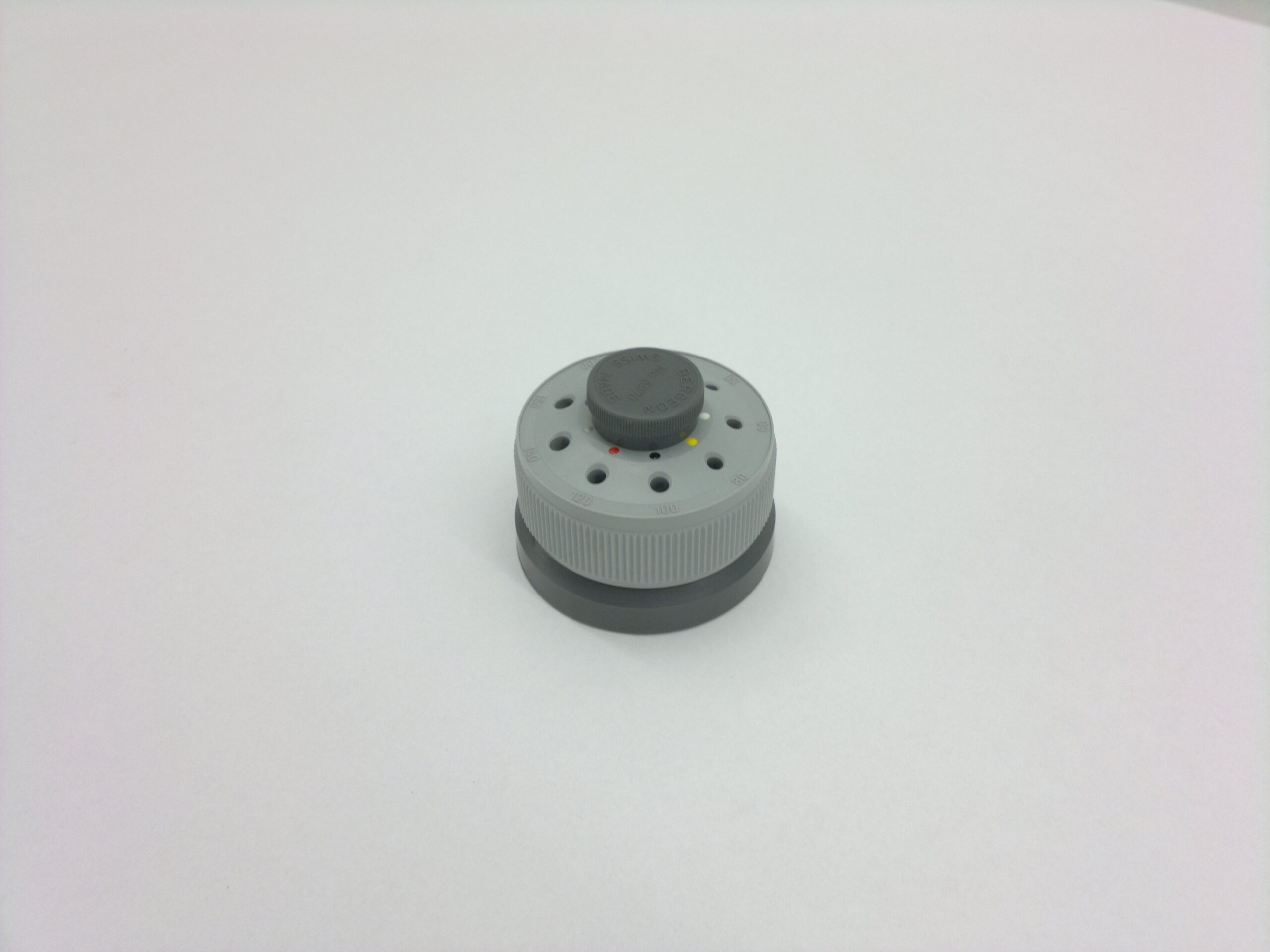
The jaws hold the uncased movement and provide stable support for assembly and testing.
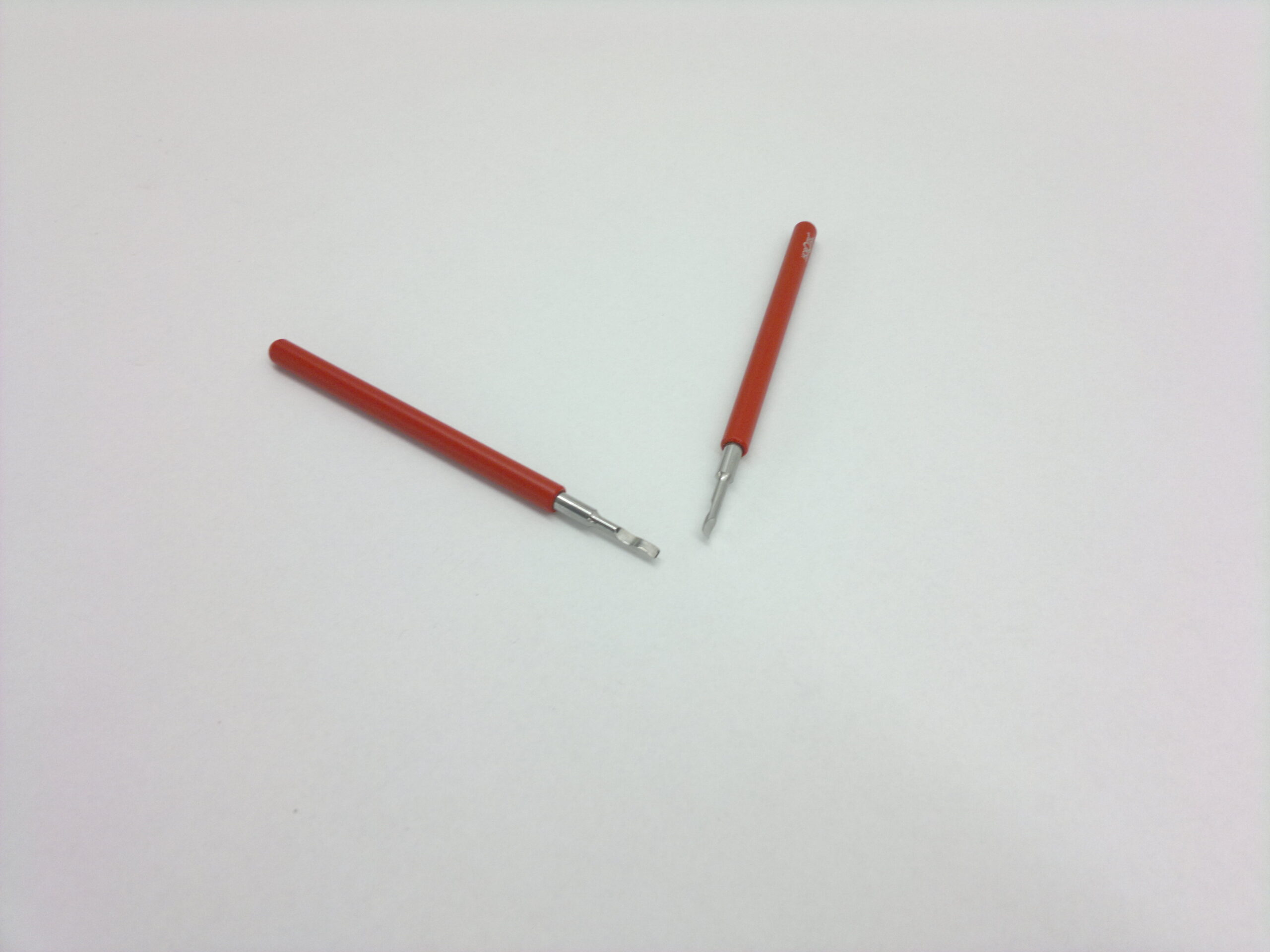
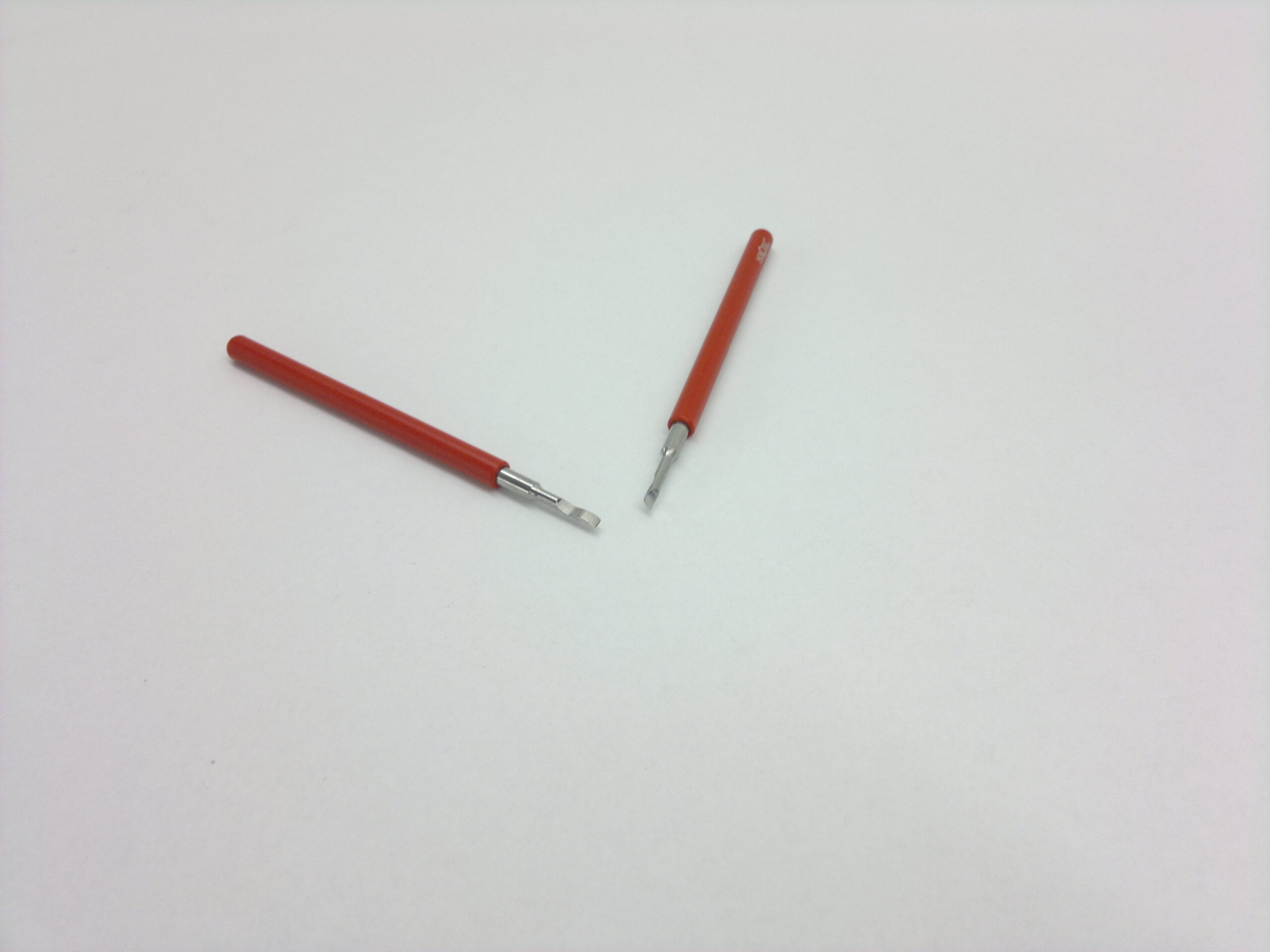
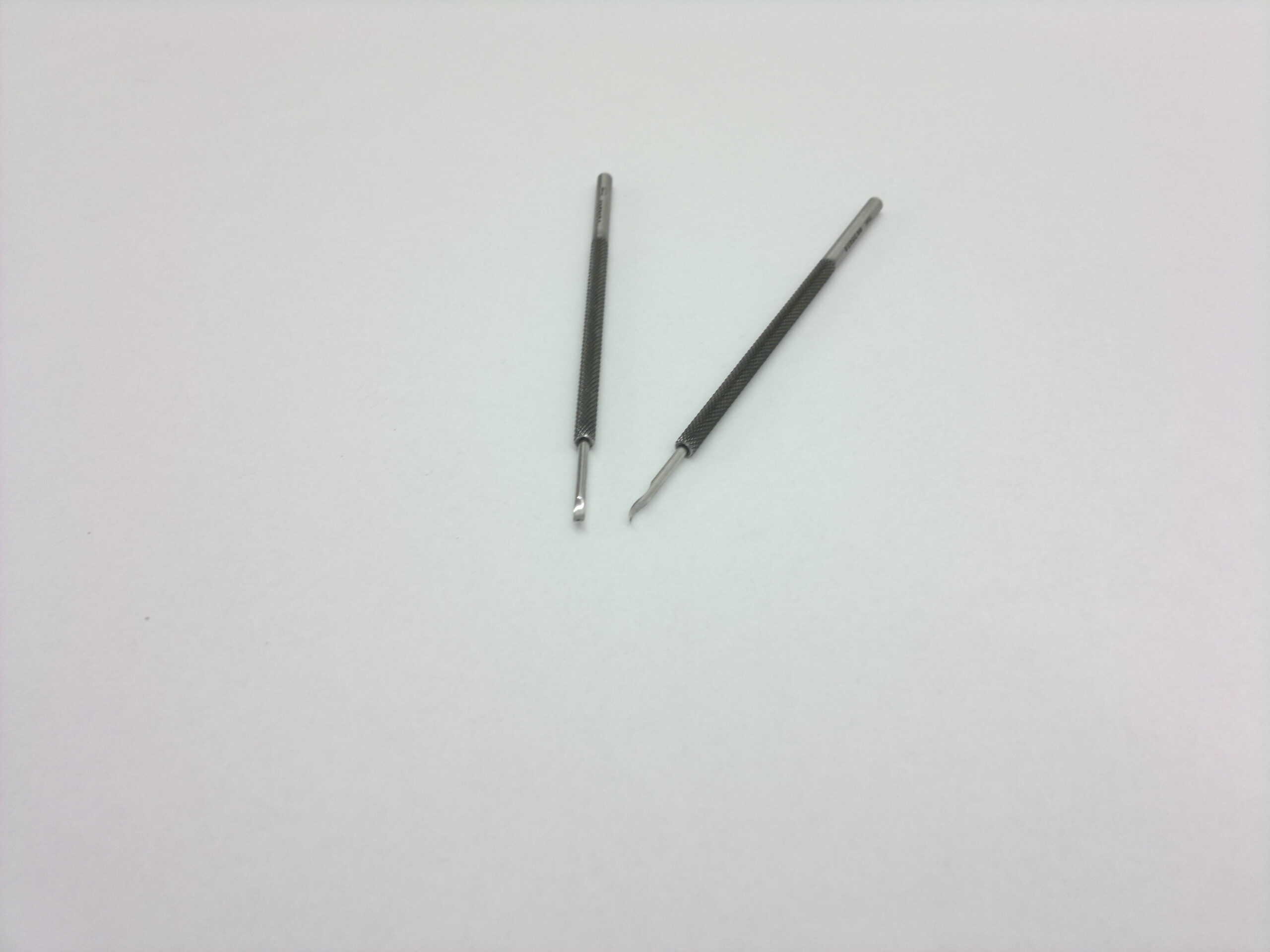
The fork and pin are used to compress or push out the spring bars of a watch strap or bracelet.
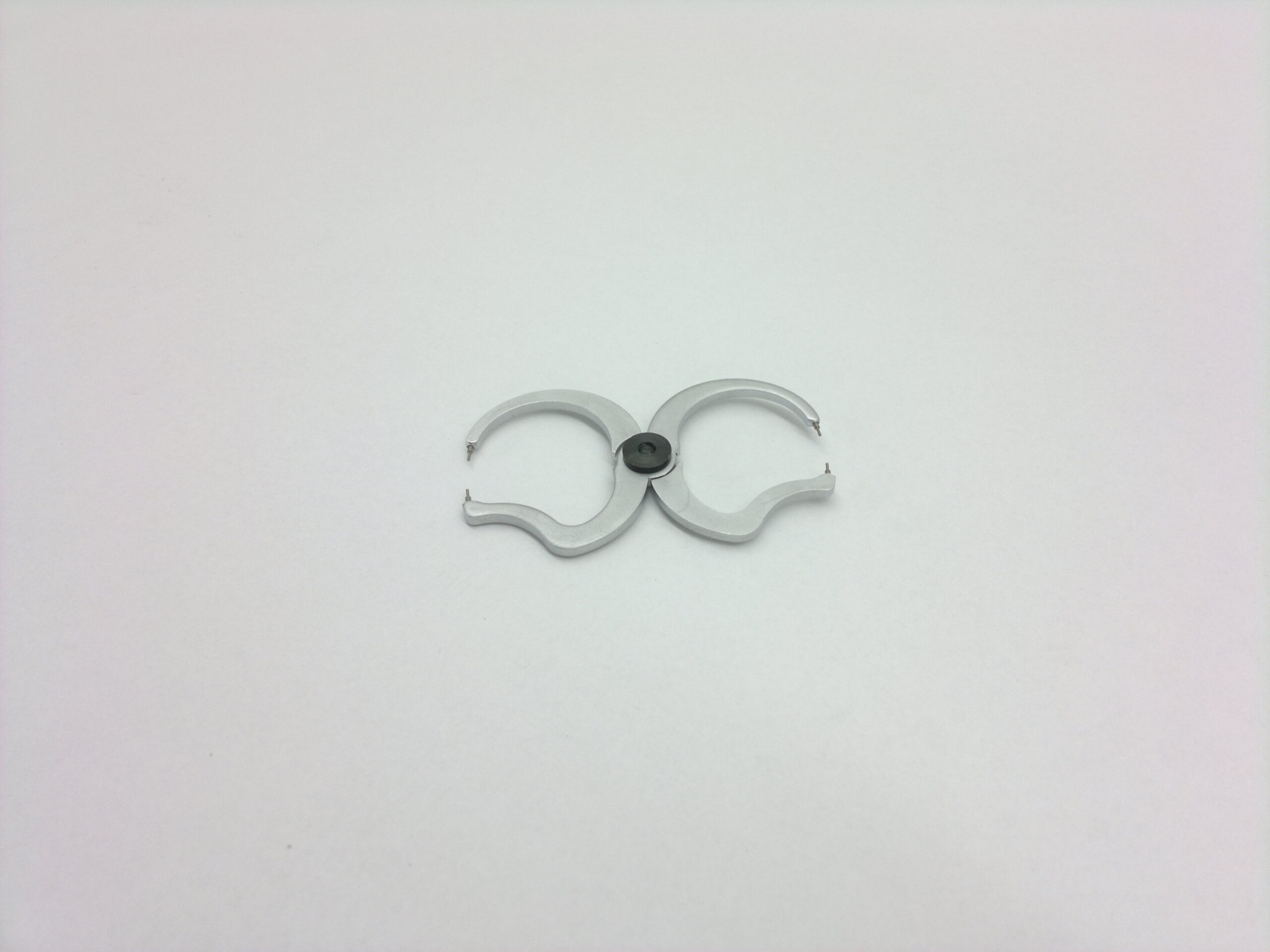
The differently shaped legs take internal or external measurements for comparison and transfer.
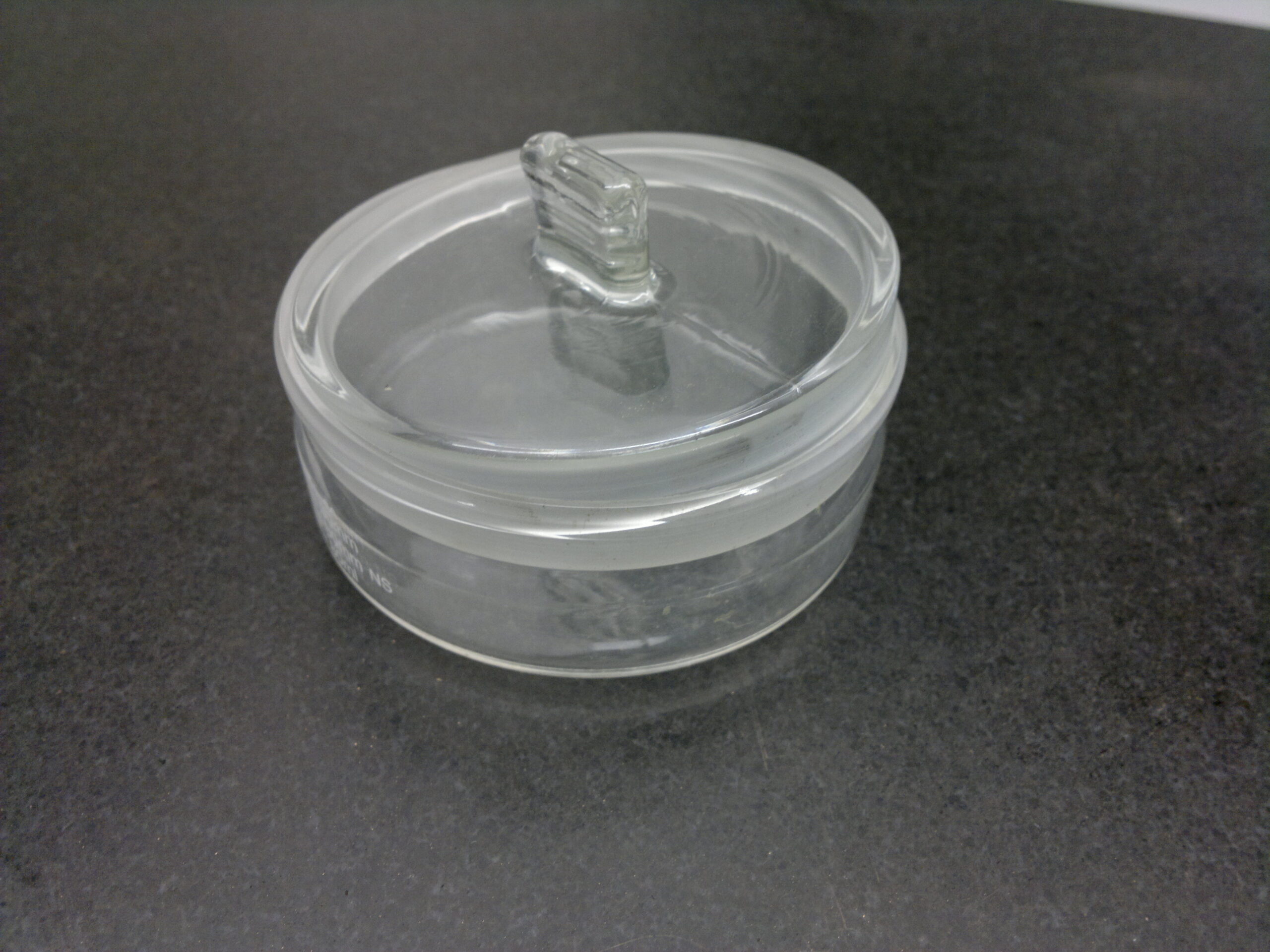
A closable container for suitable cleaning agents or for storing small parts.
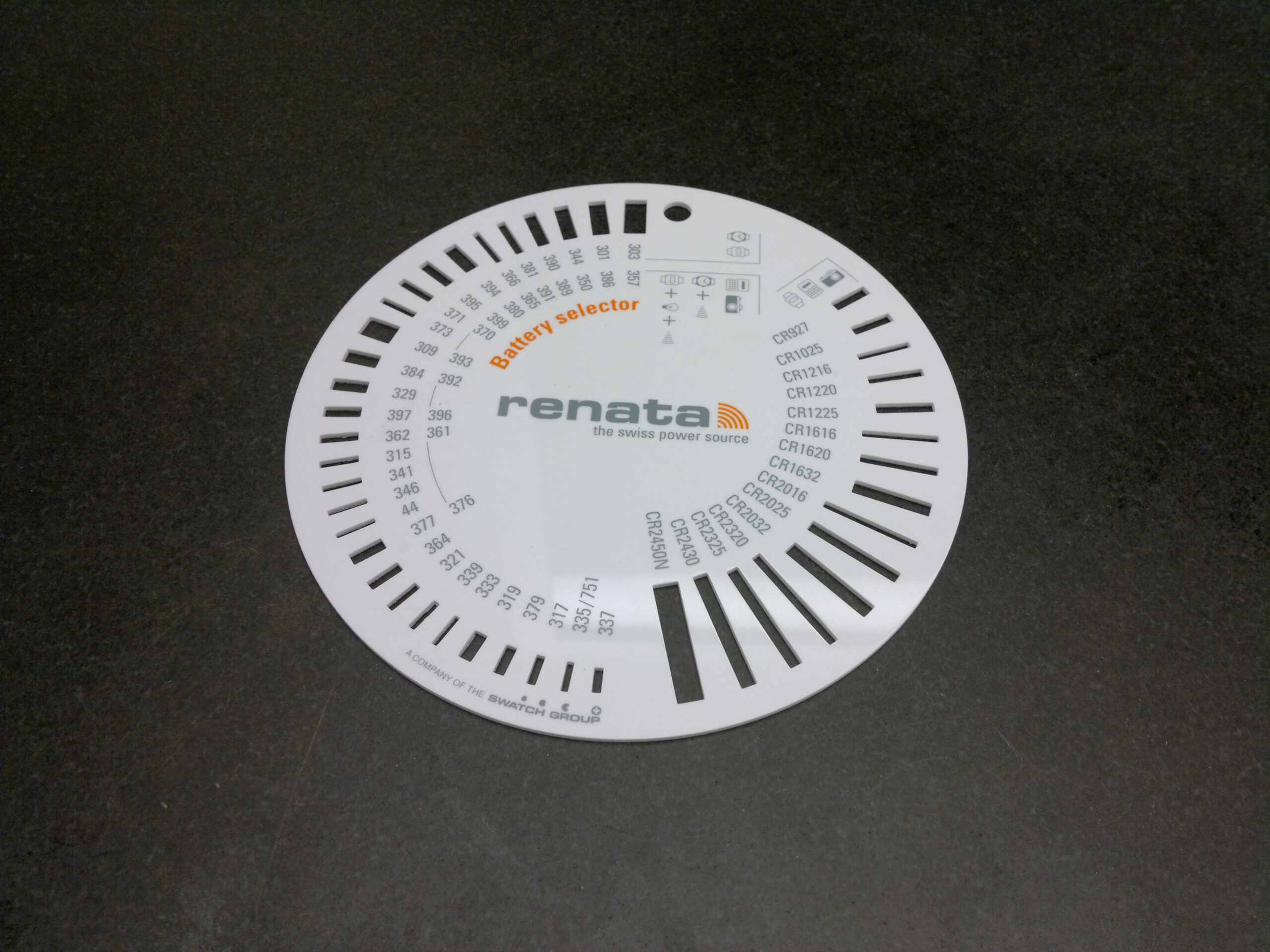
The diameter and height of a button cell can be matched to a battery size using the gauge.
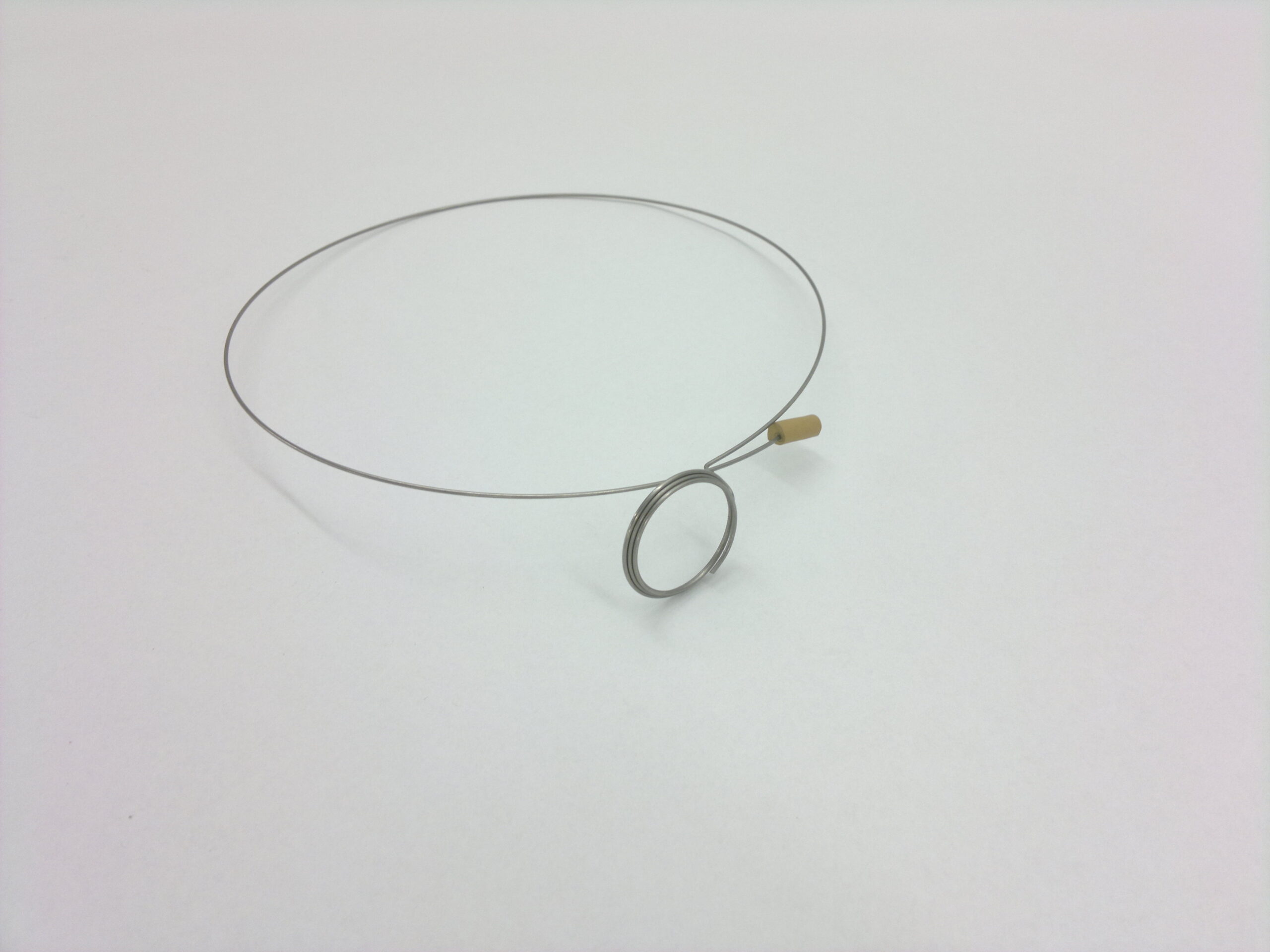
The headband holds the watchmaker's loupe against the head and relieves the facial muscles.
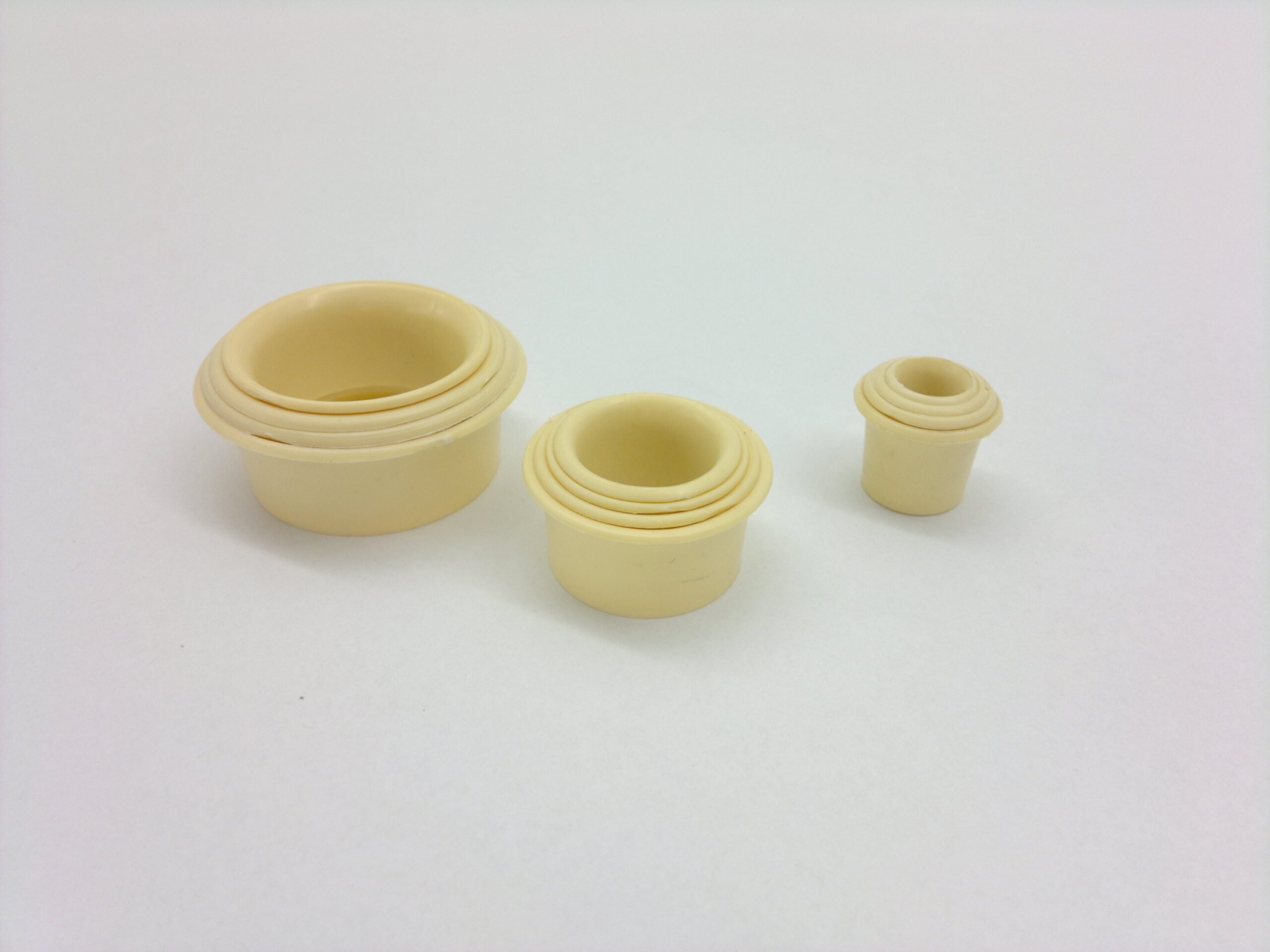
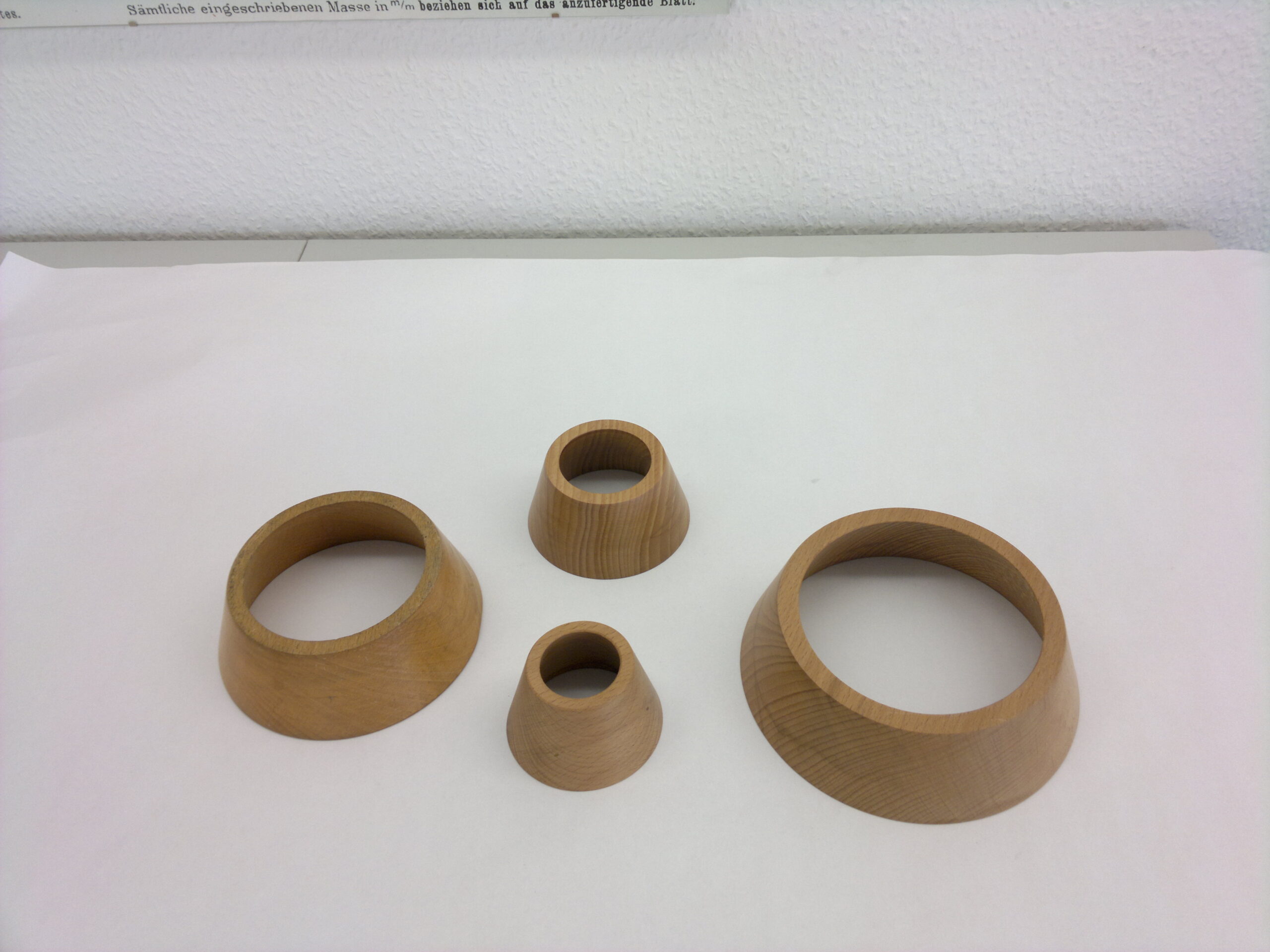
The plastic rings support movements of different sizes without placing the movement directly on the bench surface.
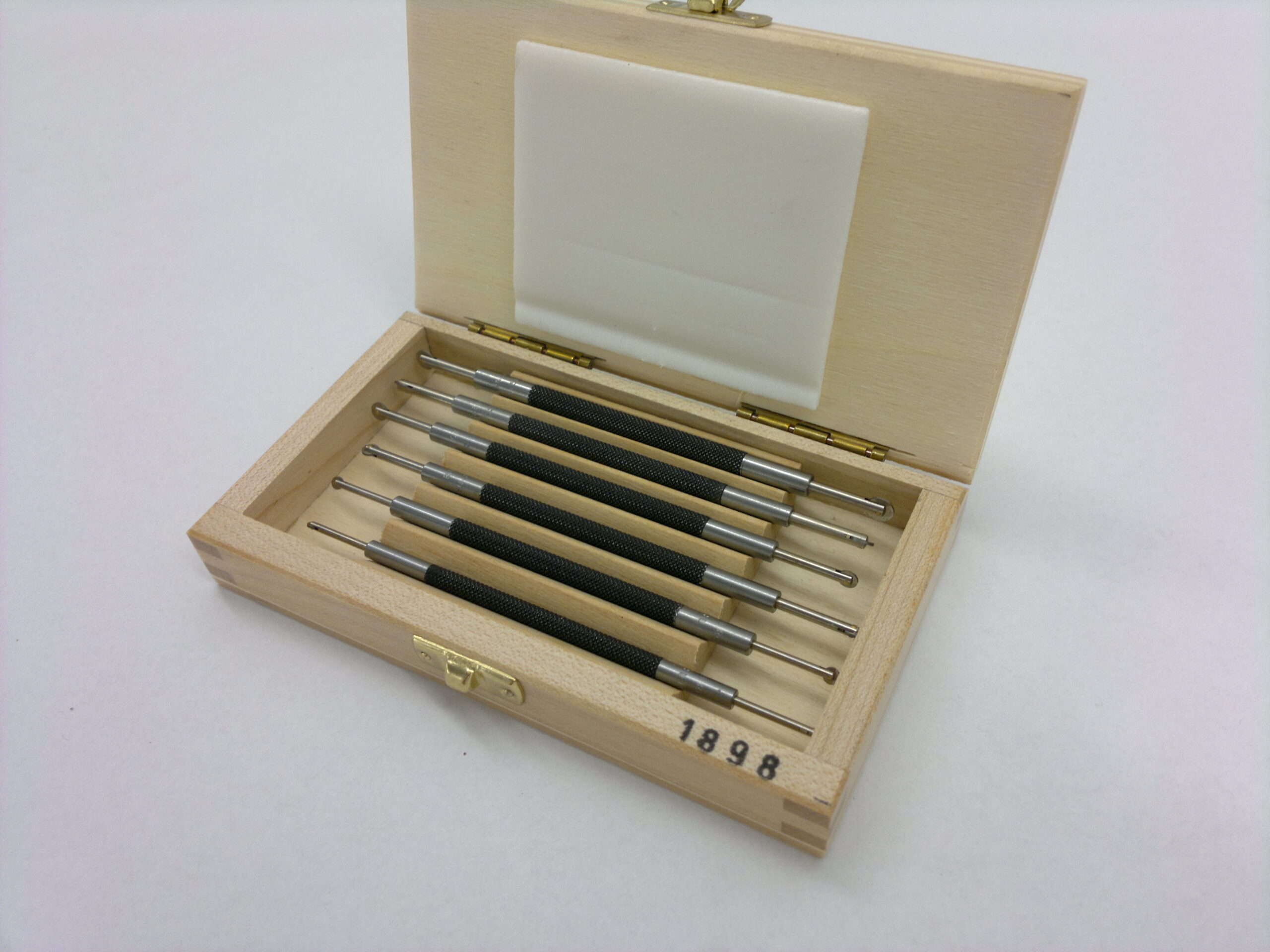
These small collet holders grip pins, shafts and fine tools for work by hand.
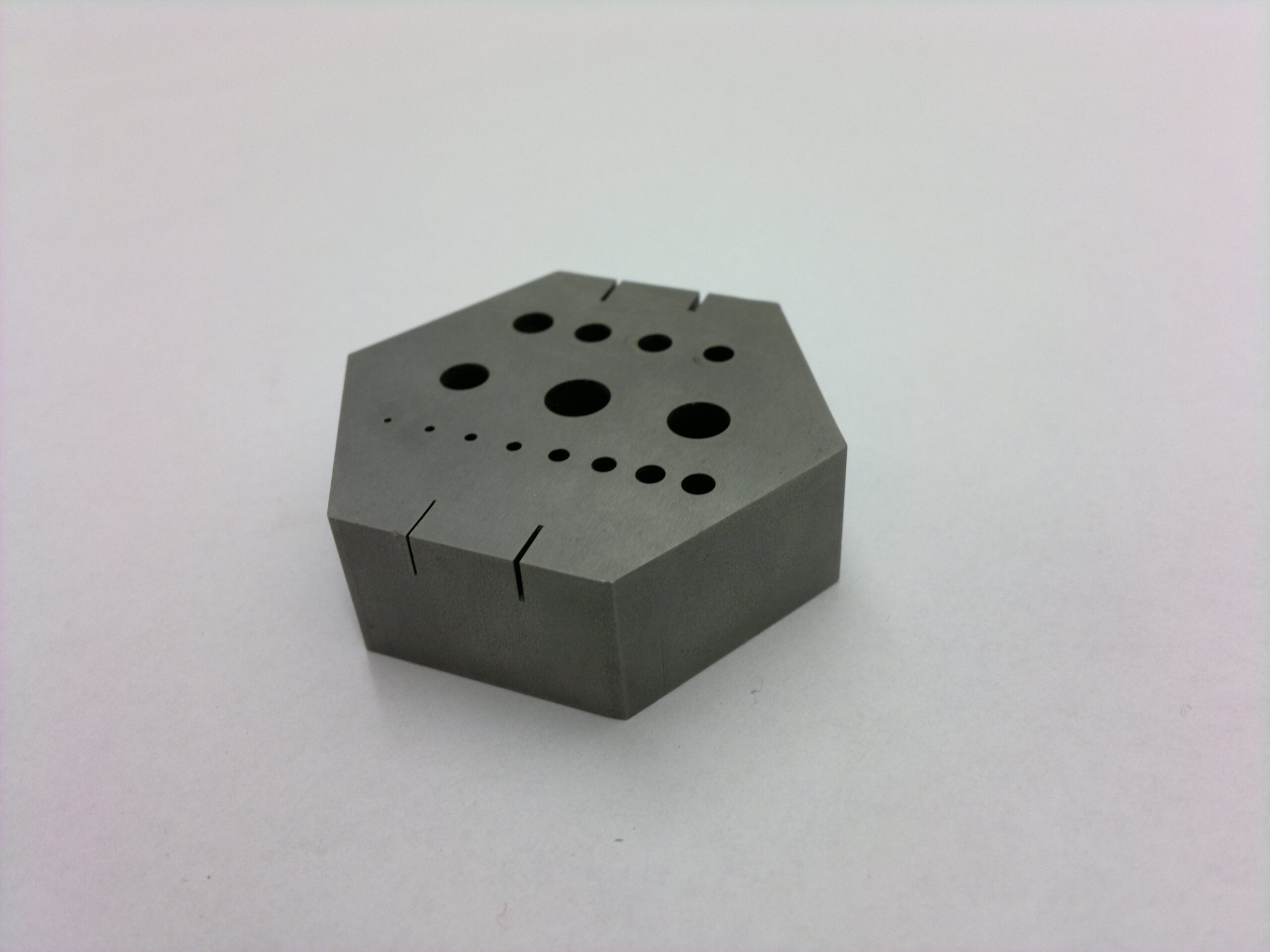
Holes and slots provide suitable supports for small riveting, pressing and driving-out operations.
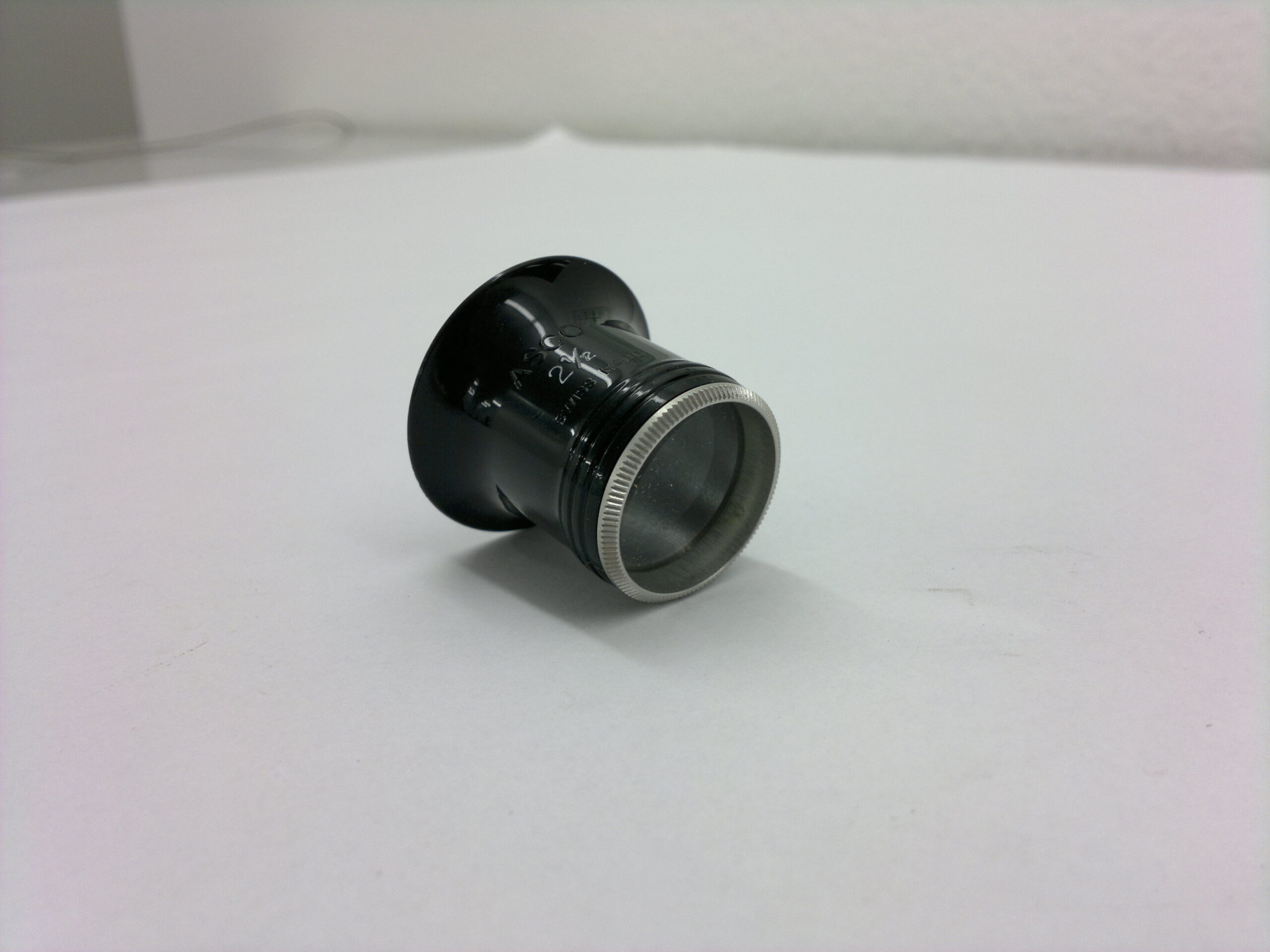
The loupe magnifies components during assembly and visual inspection.
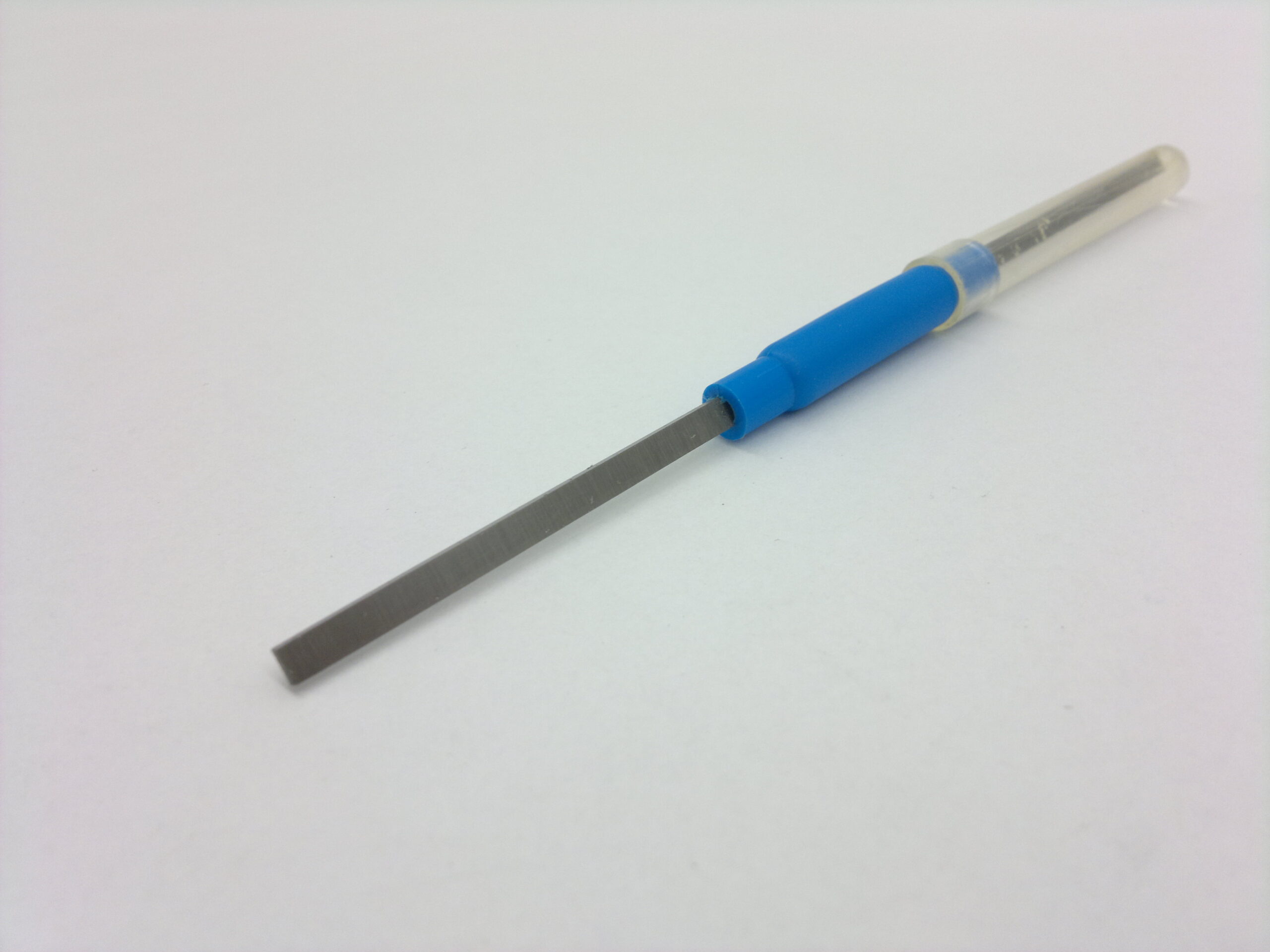
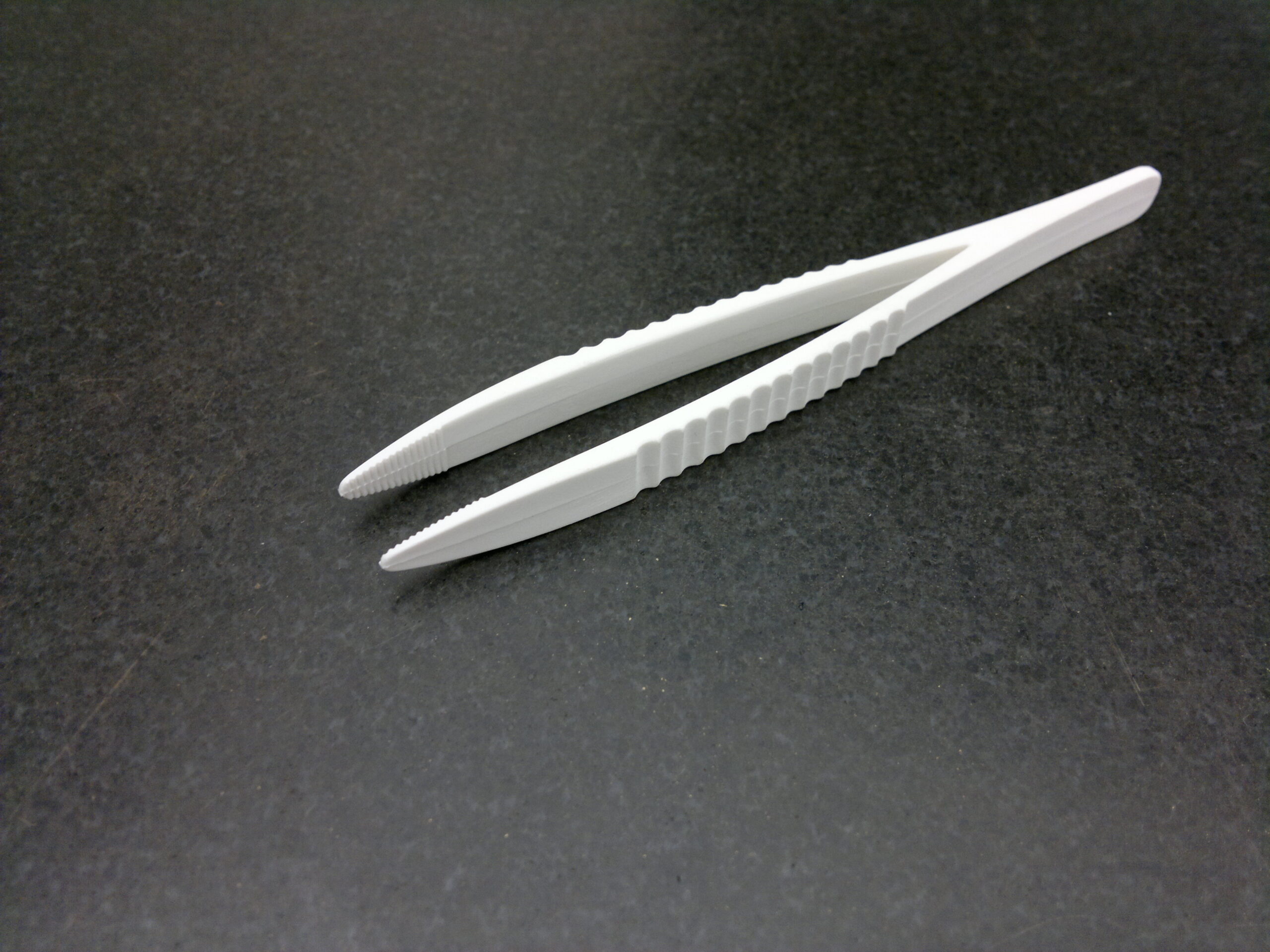
For parts on which metal tips might leave unwanted marks or bridge electrical contacts.
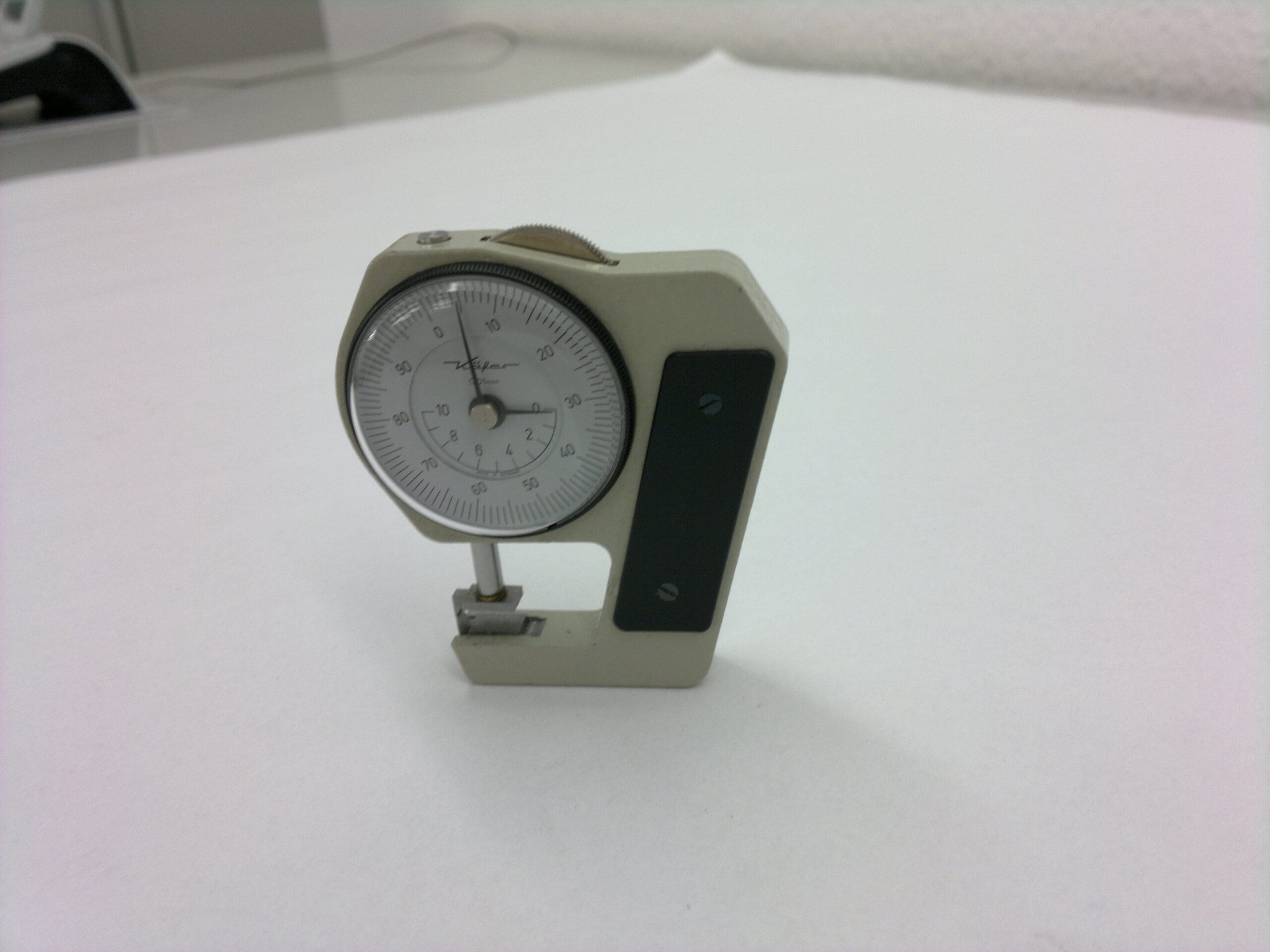
A measuring contact and a fixed support measure the thickness of small workpieces.
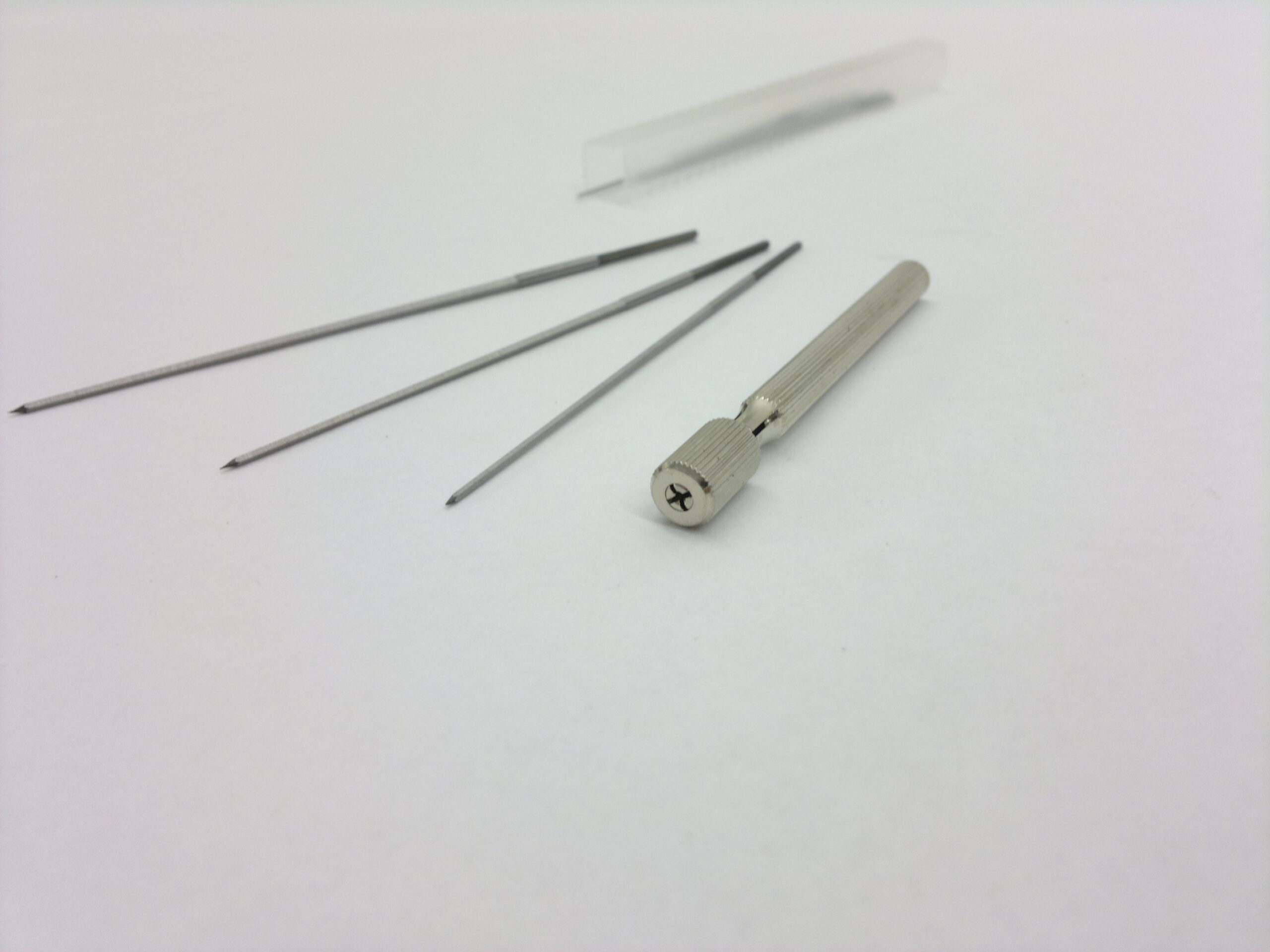
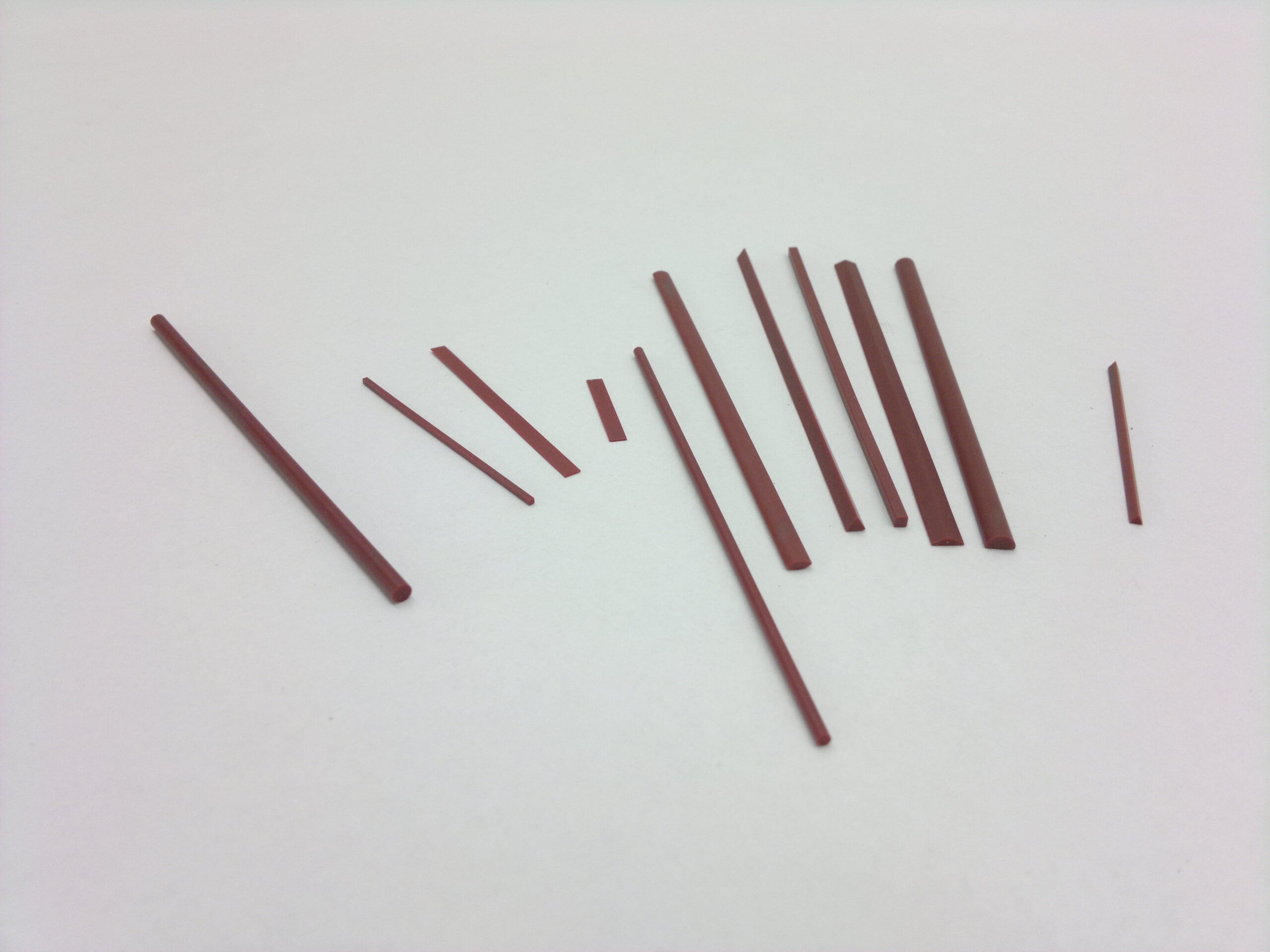
Different cross-sections allow flat surfaces, curves and recesses to be worked.
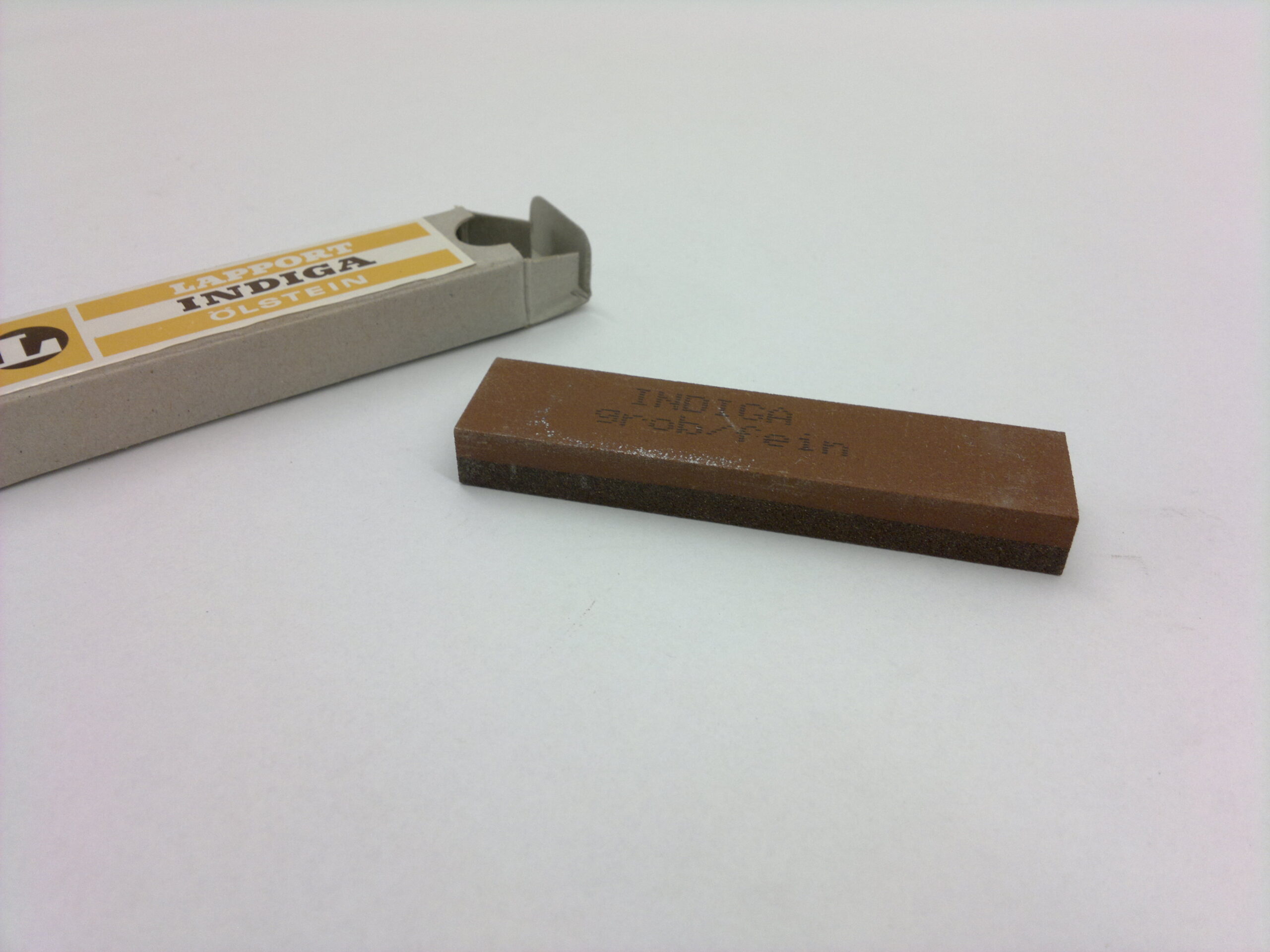
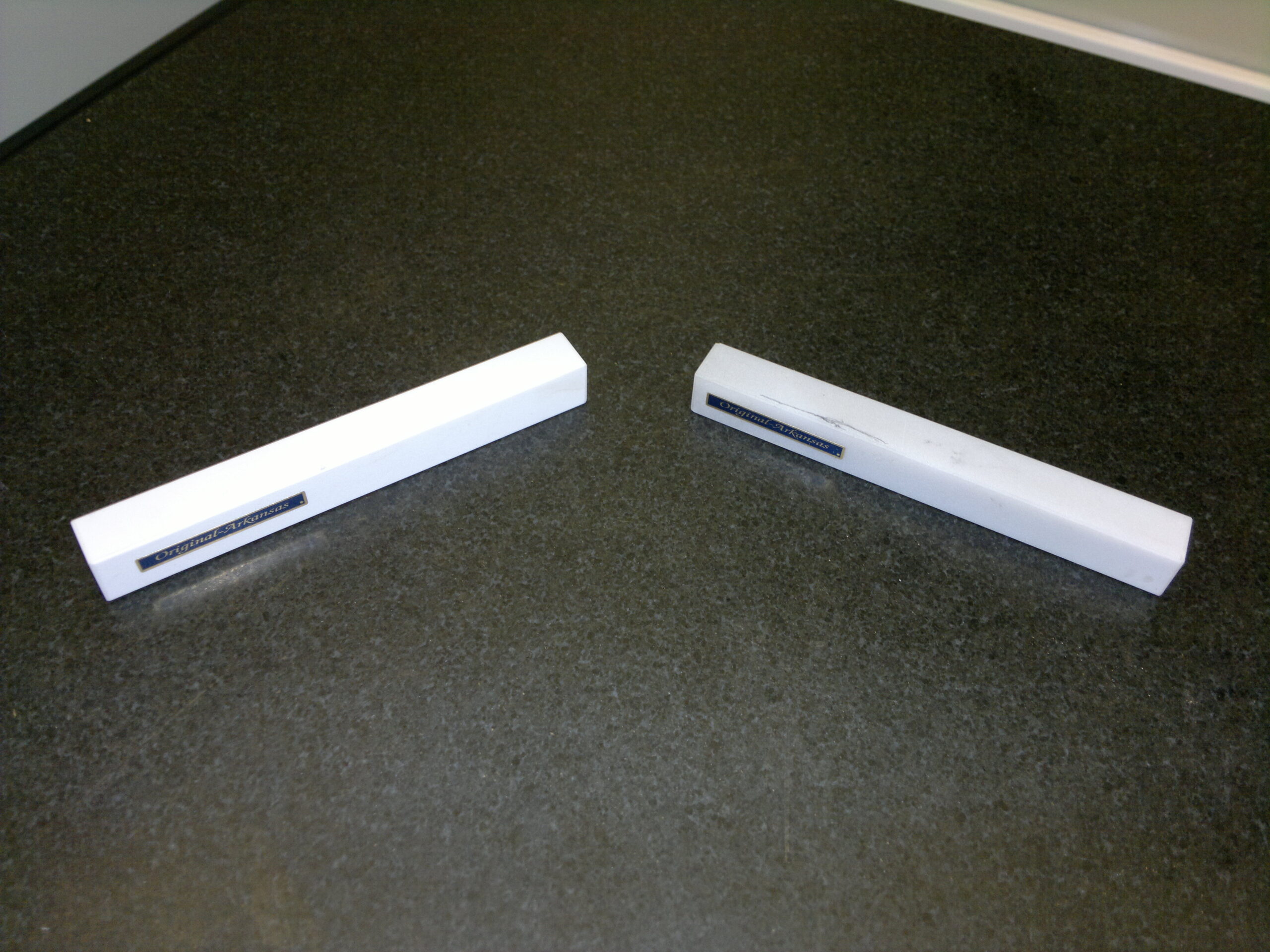
The flat stone is used to sharpen cutting edges and remove small burrs in a controlled manner.
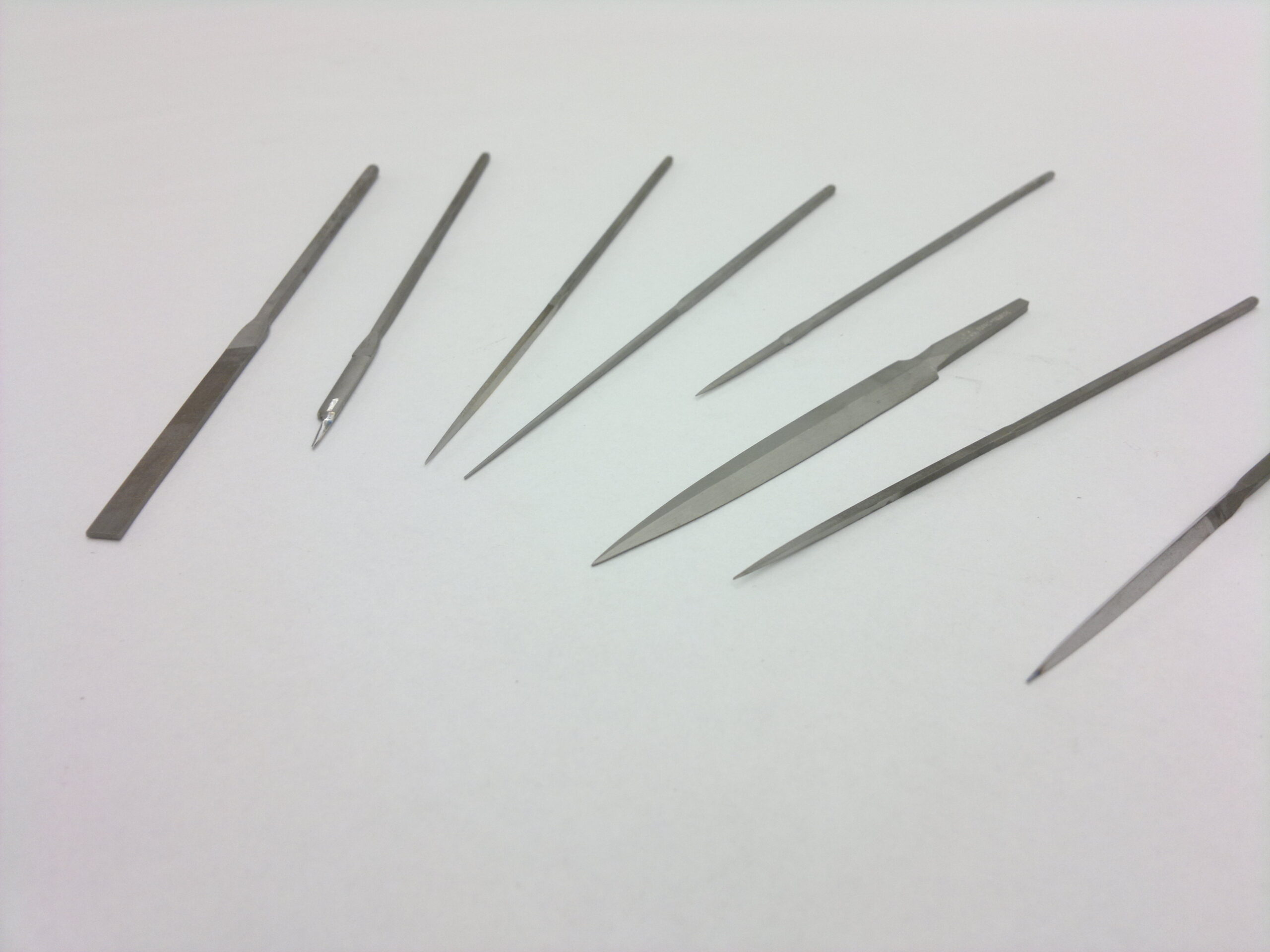
These fine files are suitable for small recesses, contours and hard-to-reach areas.
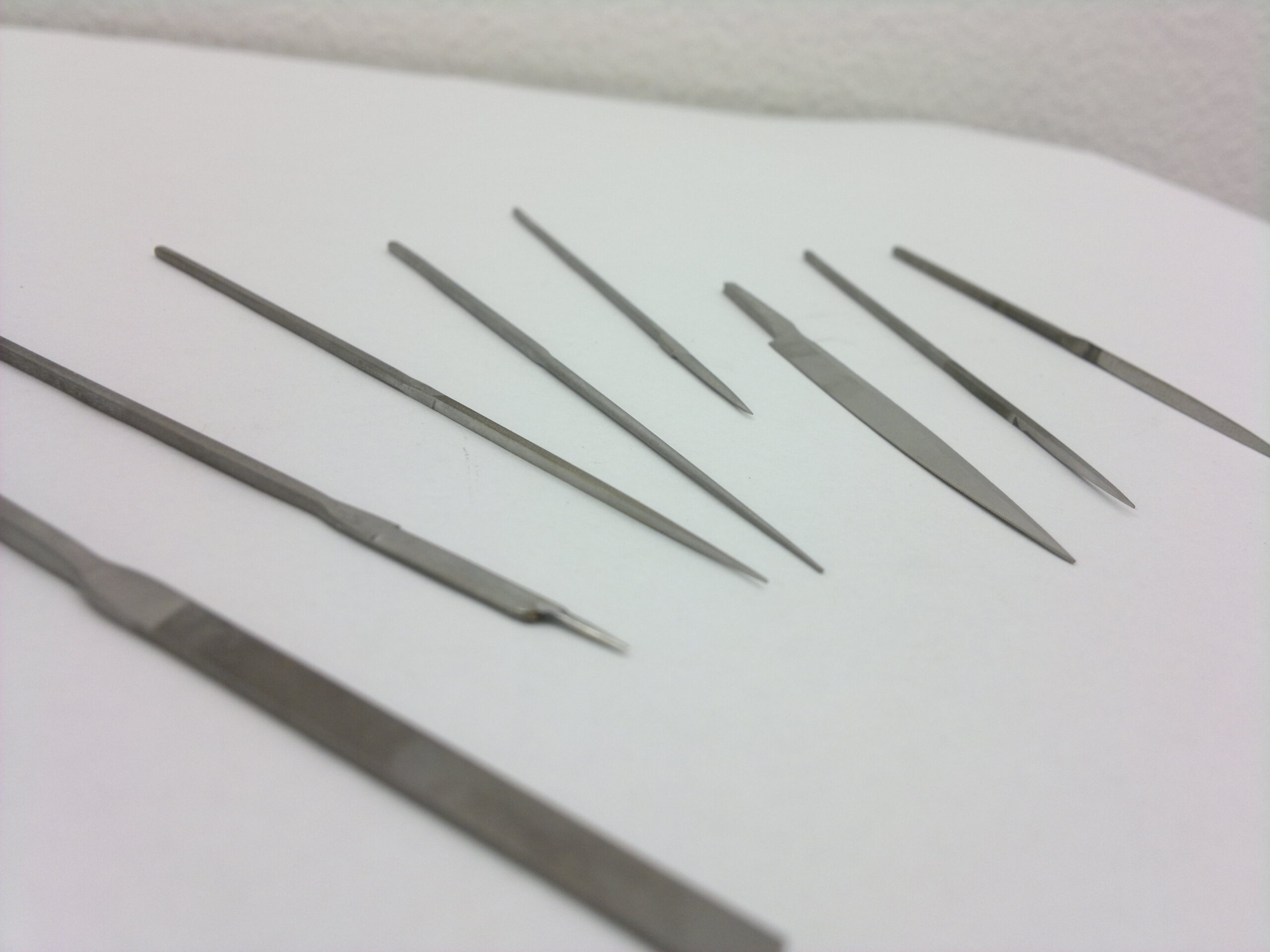
The shape of the file is selected to suit the surface being worked.
Tools for making parts
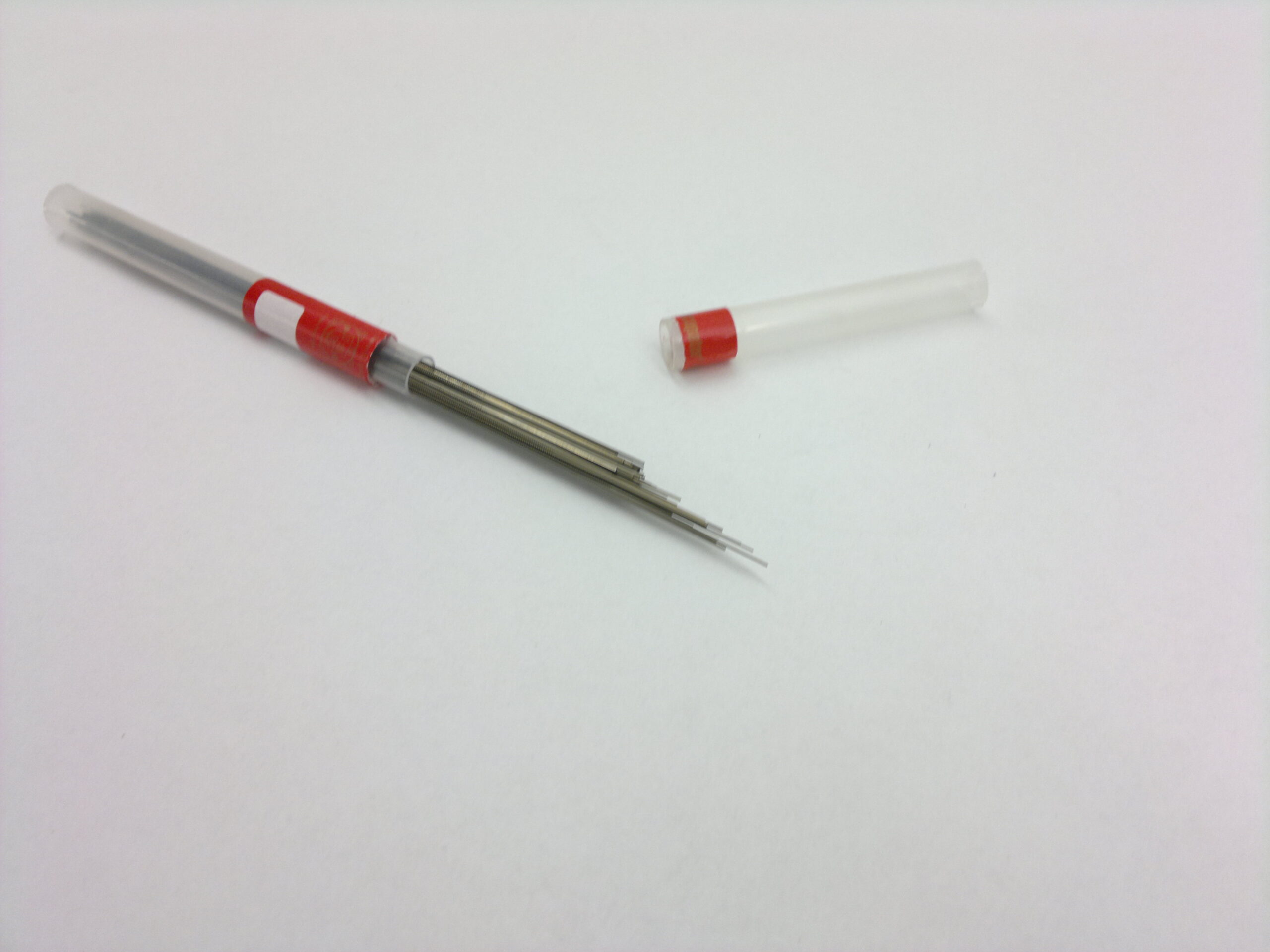
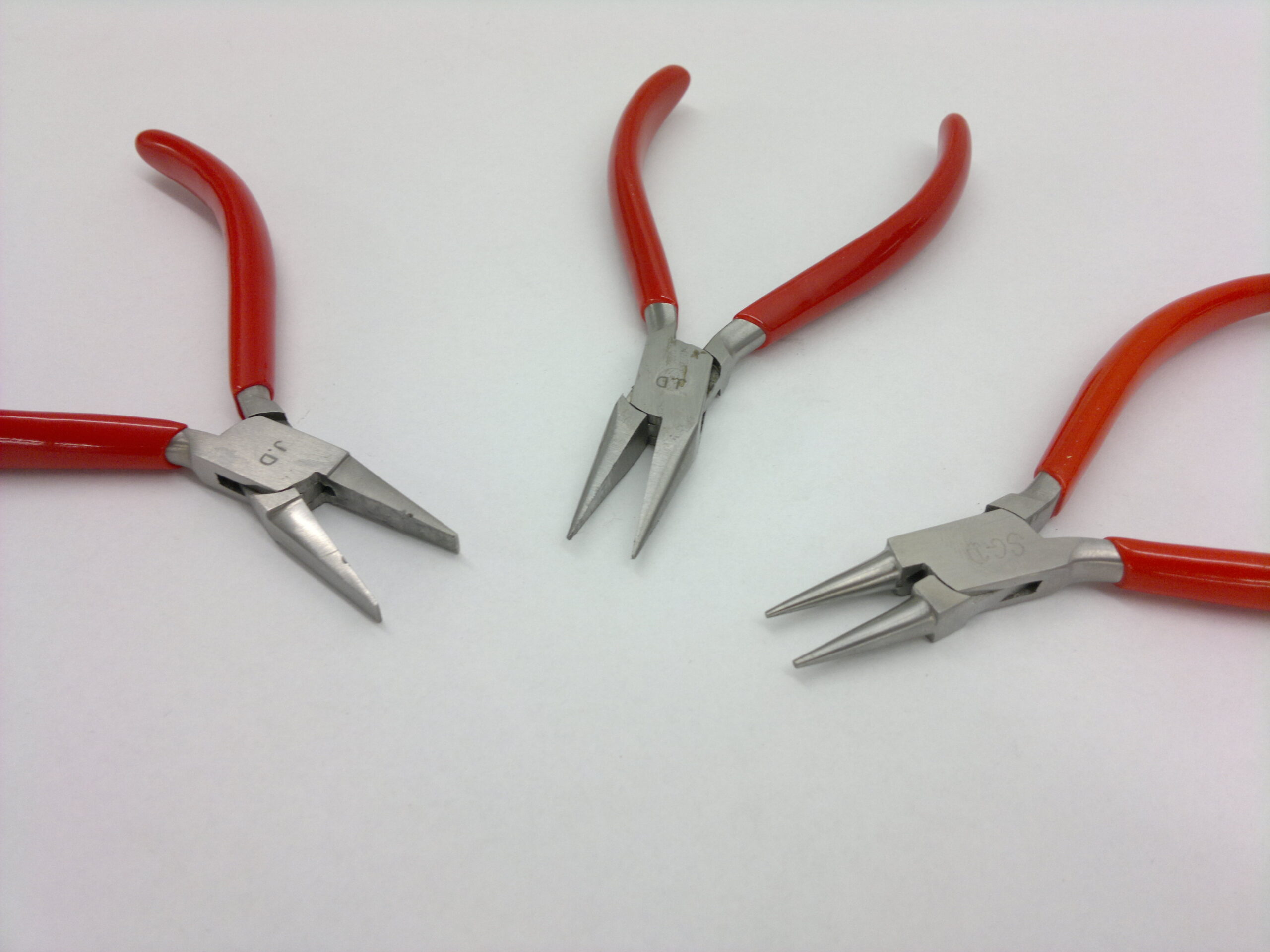
They are used to hold and shape small workpieces; the shape of the jaws determines the work that can be carried out.
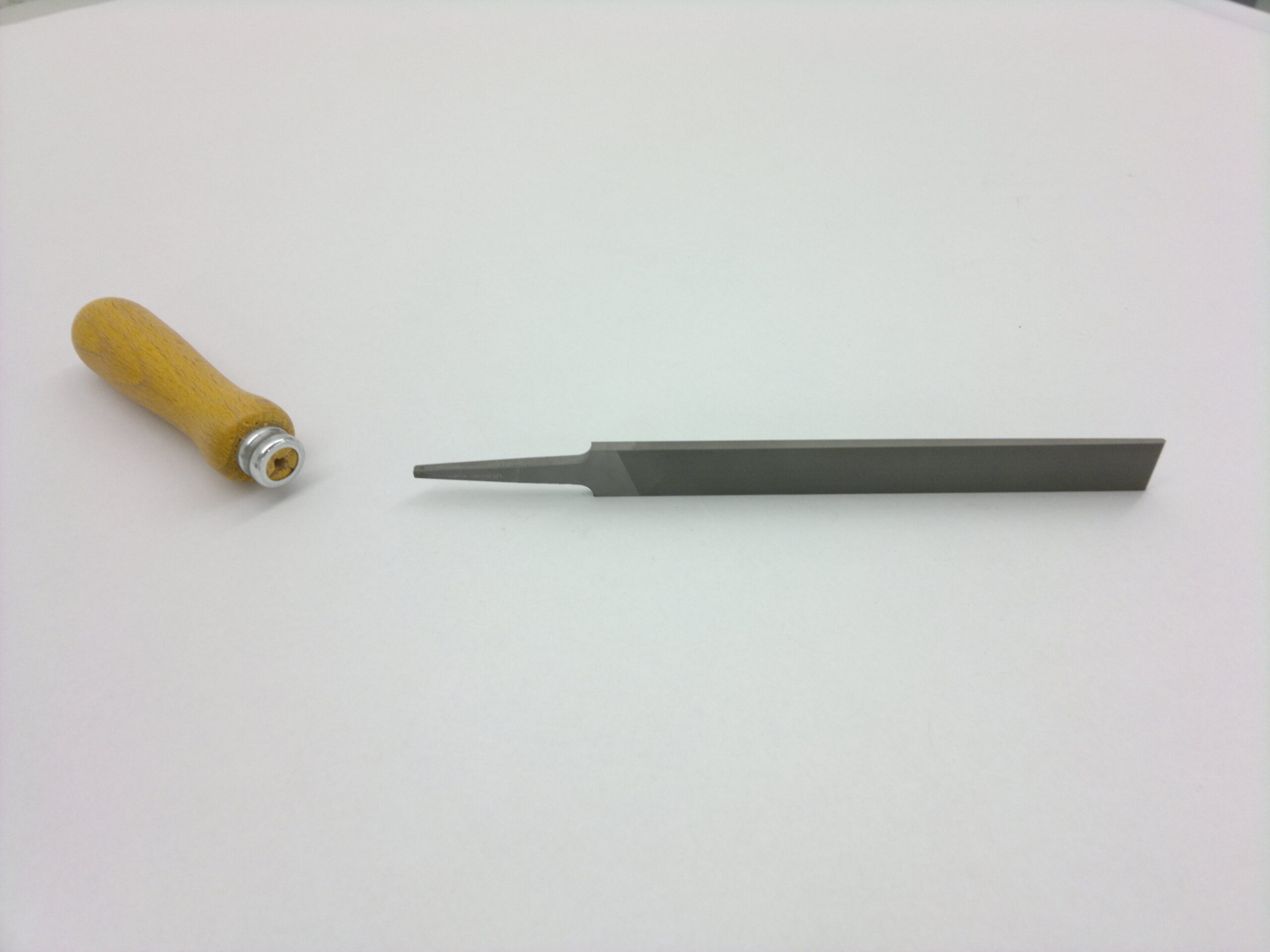
A flat file for flat surfaces; a suitable handle provides secure control.
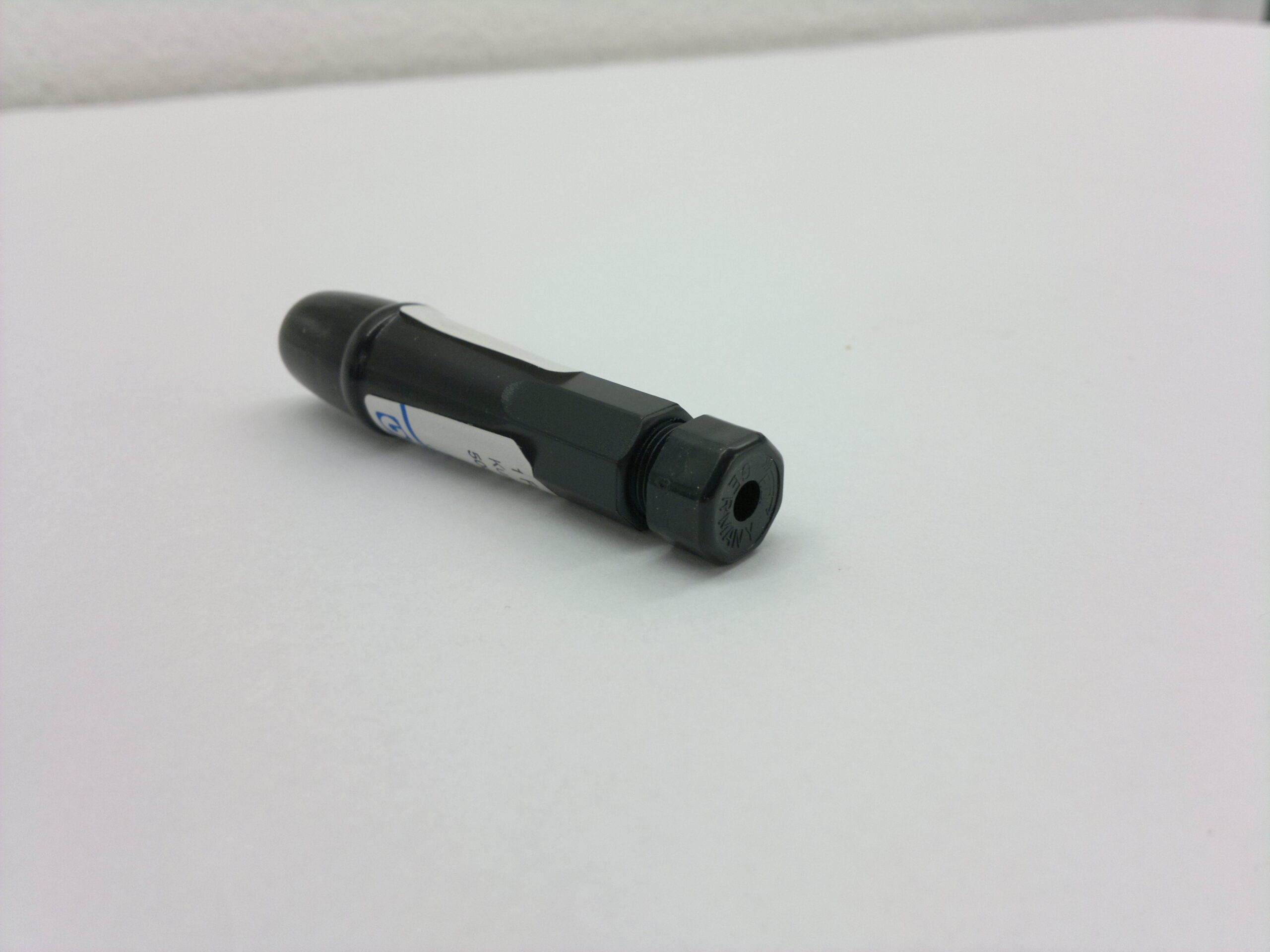
A small holding tool for gripping fine pins, shafts and tools.
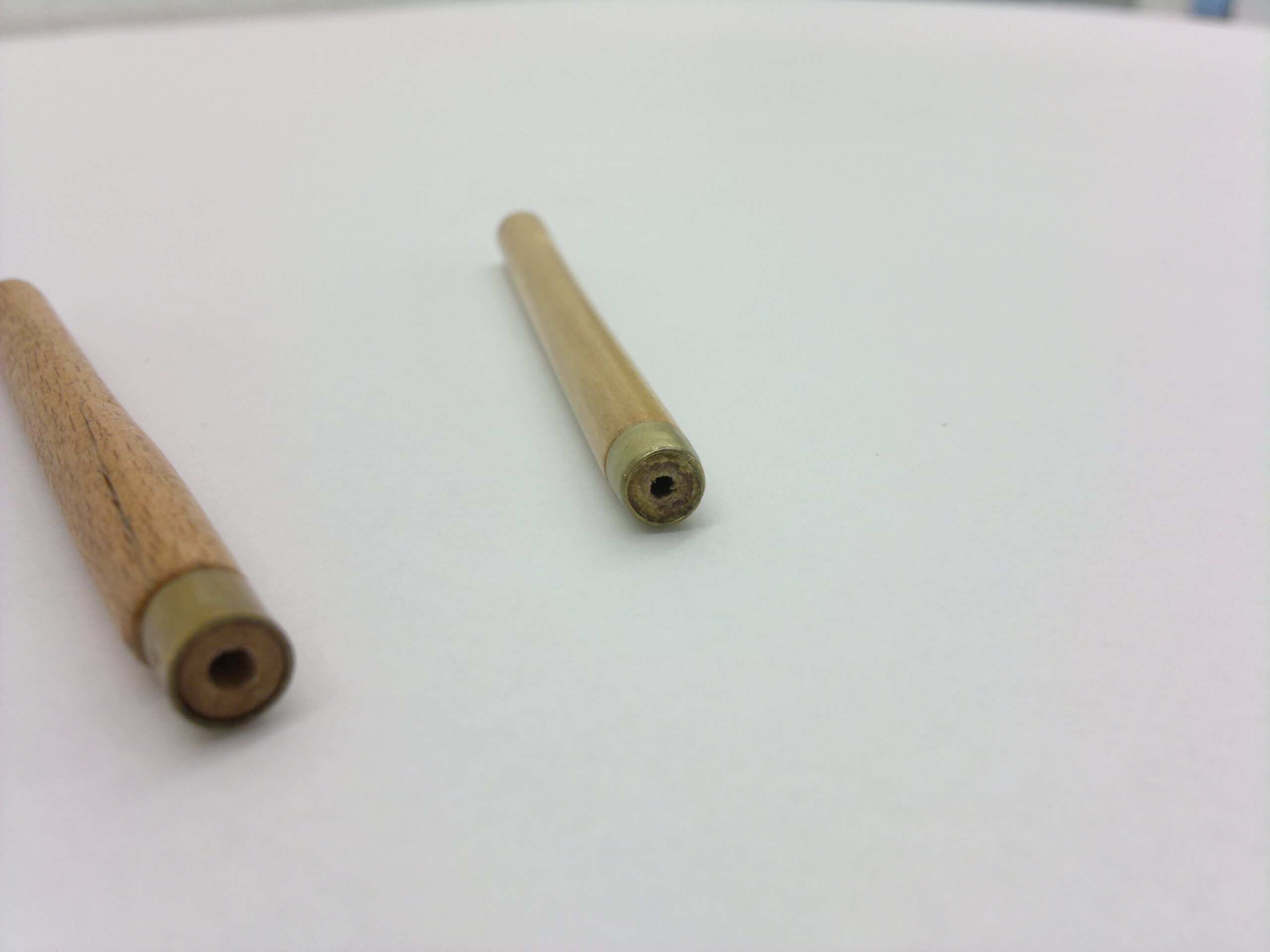
The wooden handles fit over the tang of a file and allow safe handling.
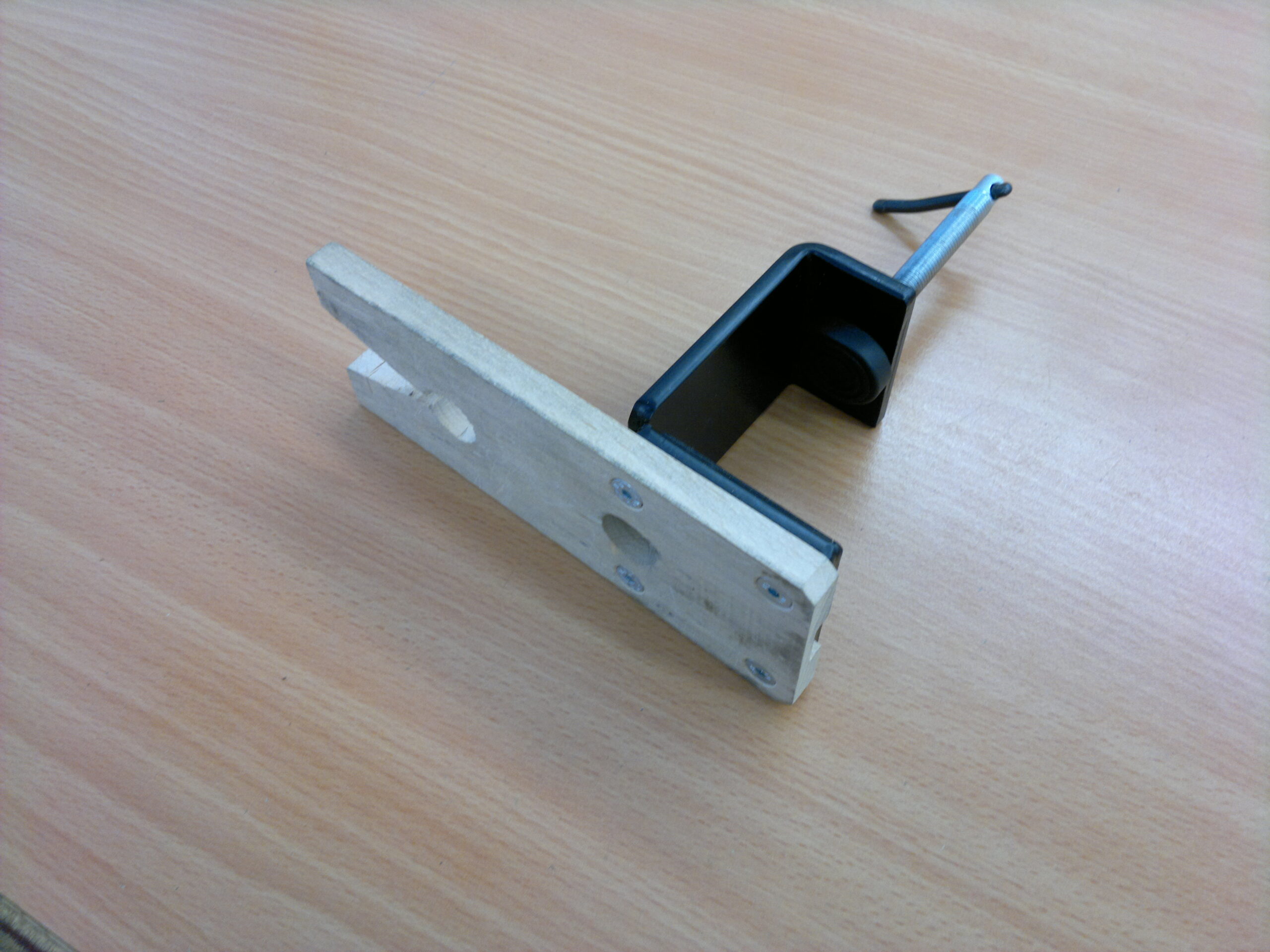
The support is attached to the edge of the bench and supports workpieces during hand work.
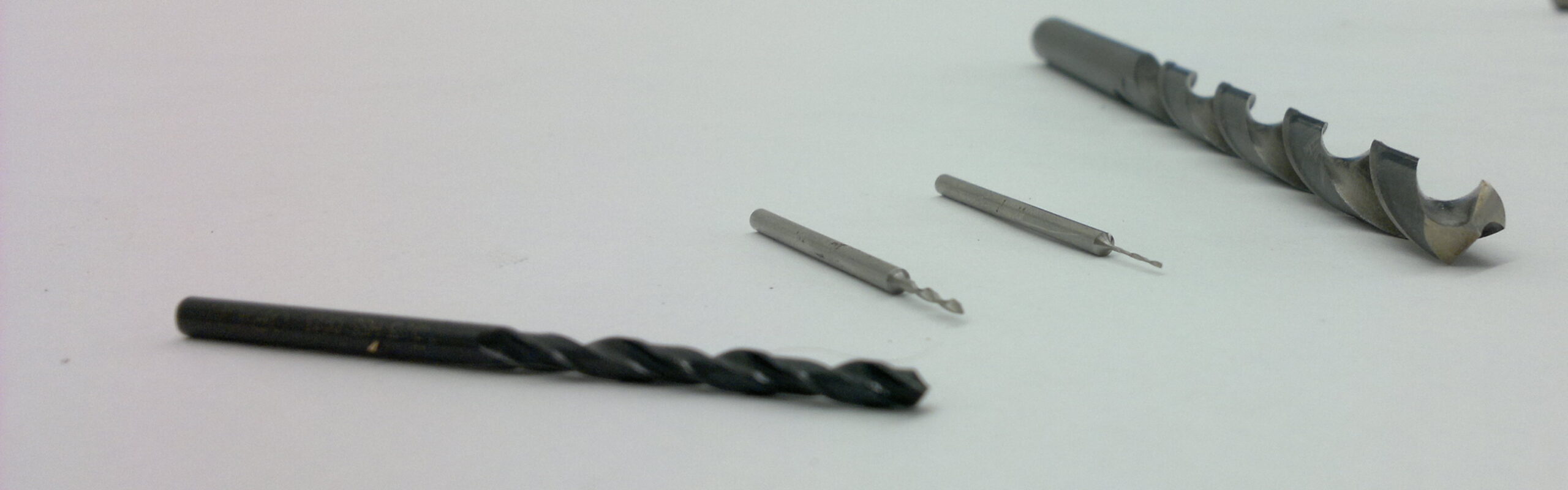
Drills of different diameters produce the required holes in watch parts.
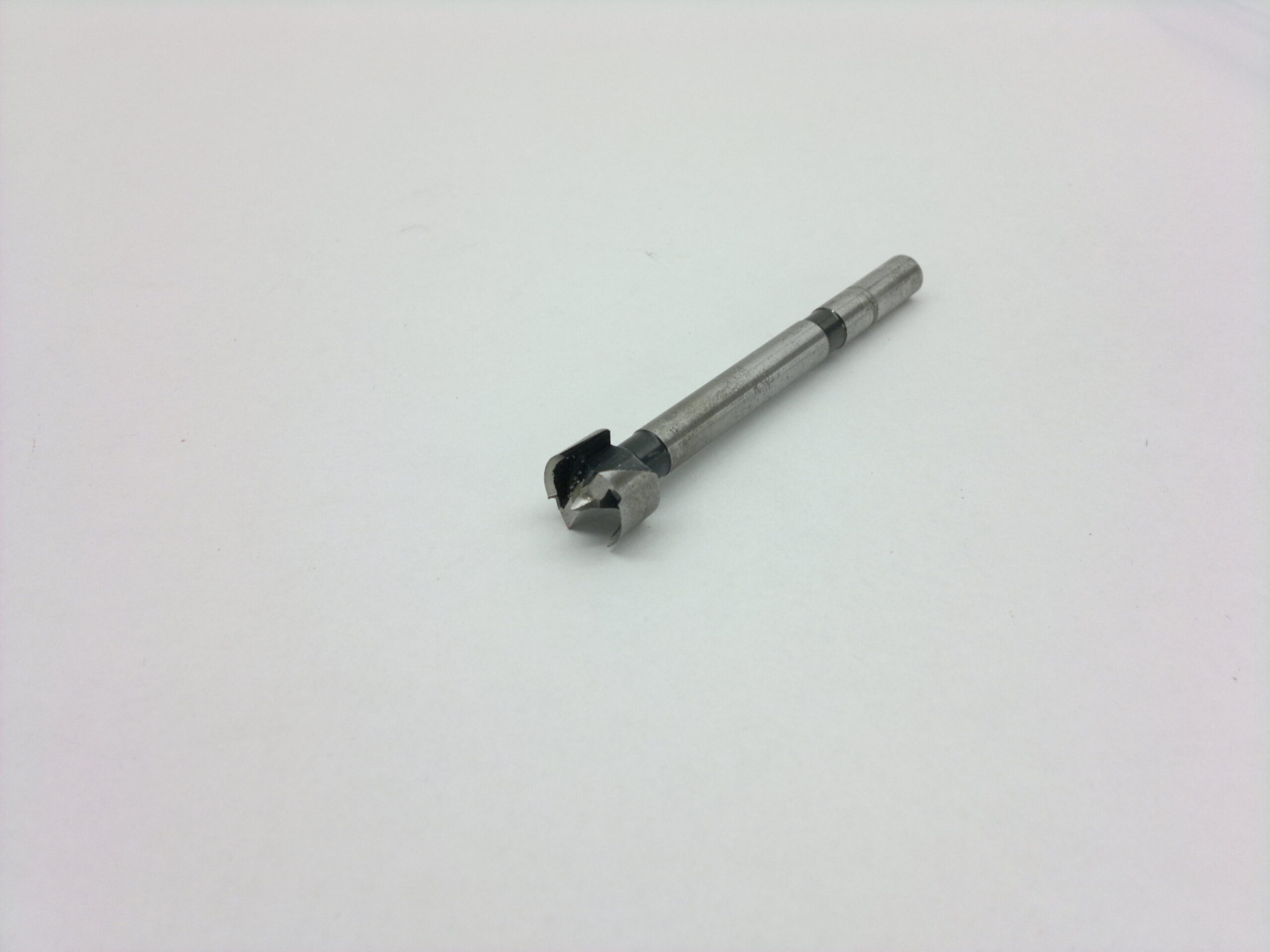
Countersinks deburr hole edges or produce recesses for screw heads.
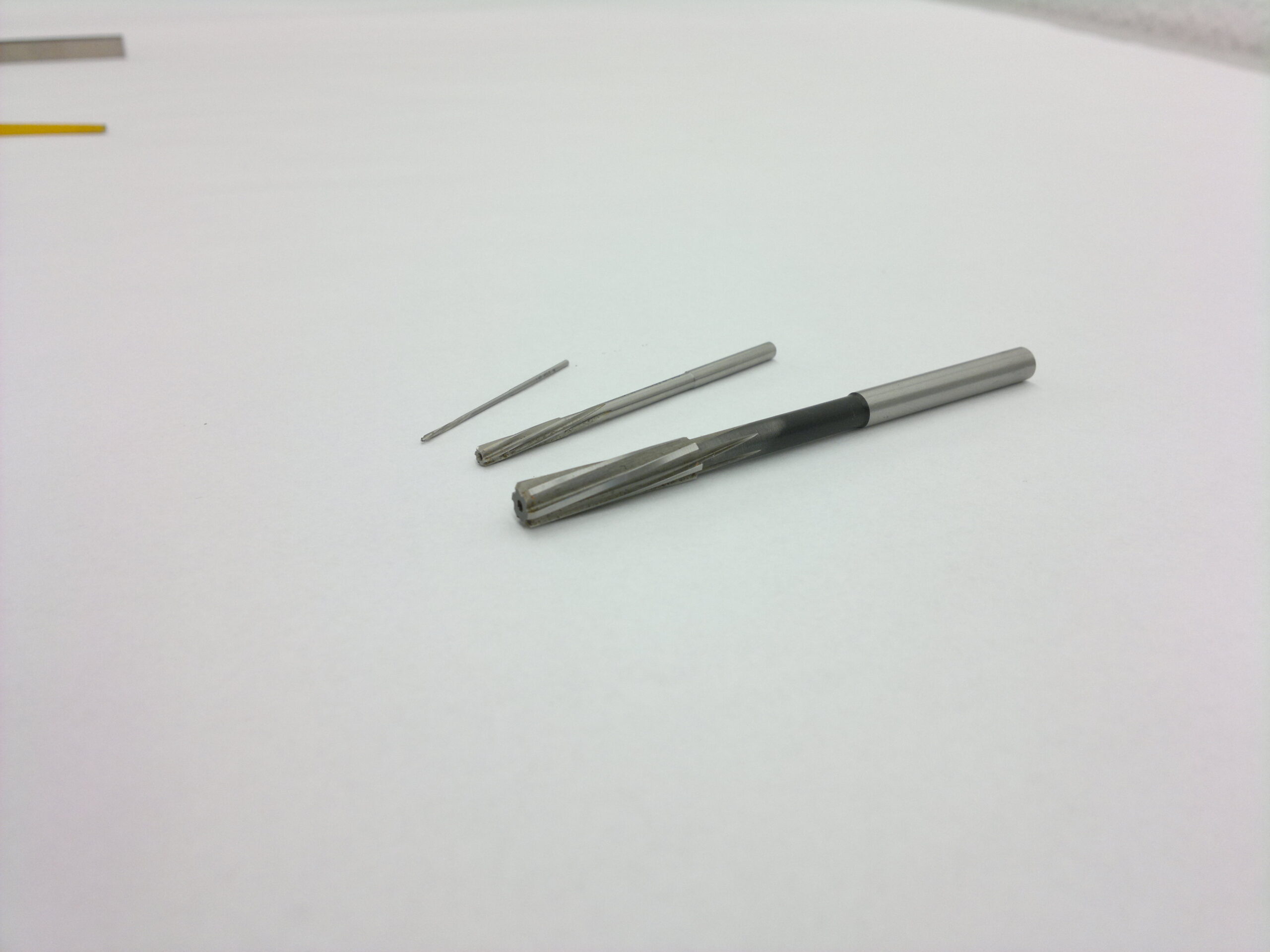
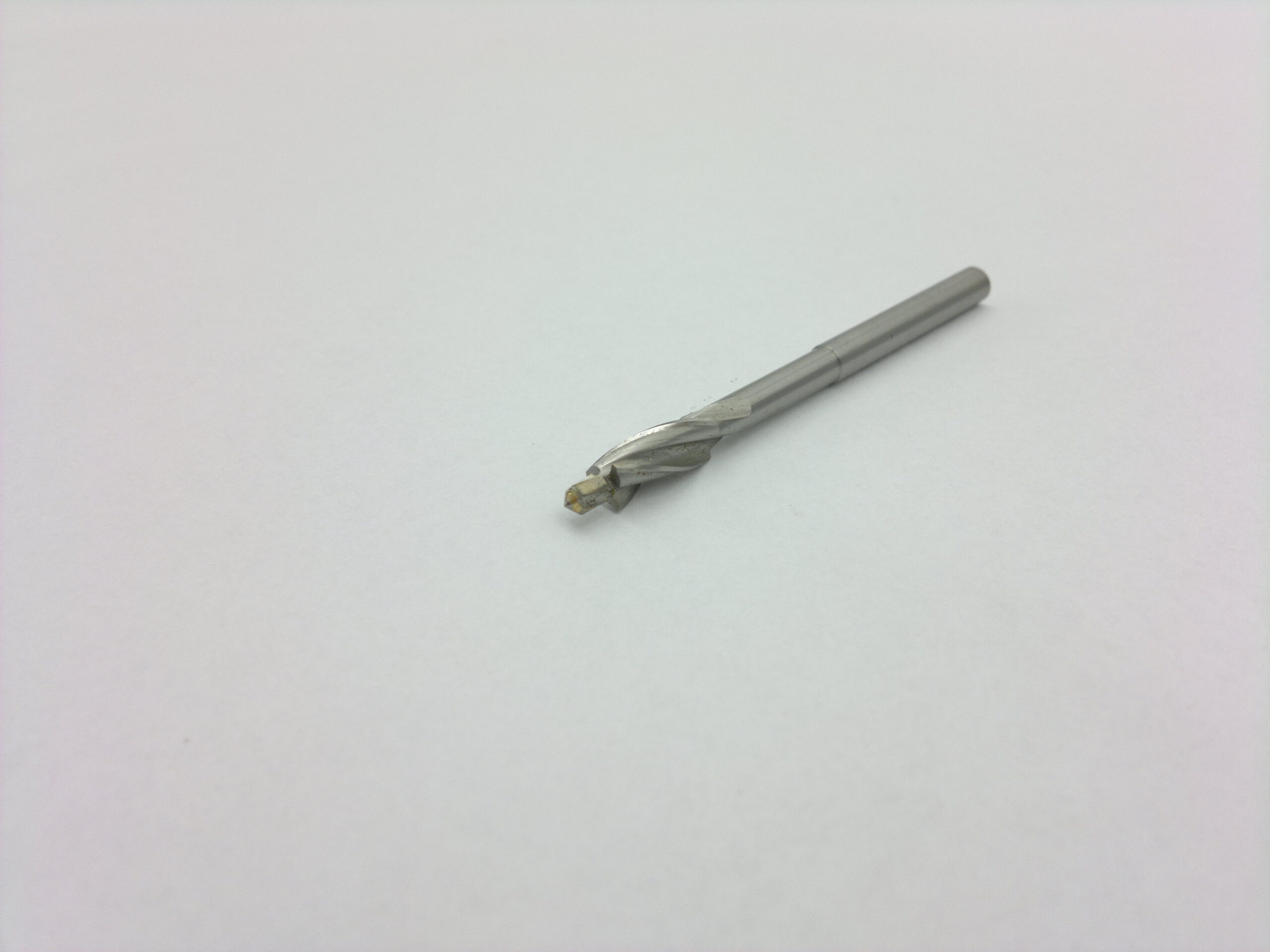
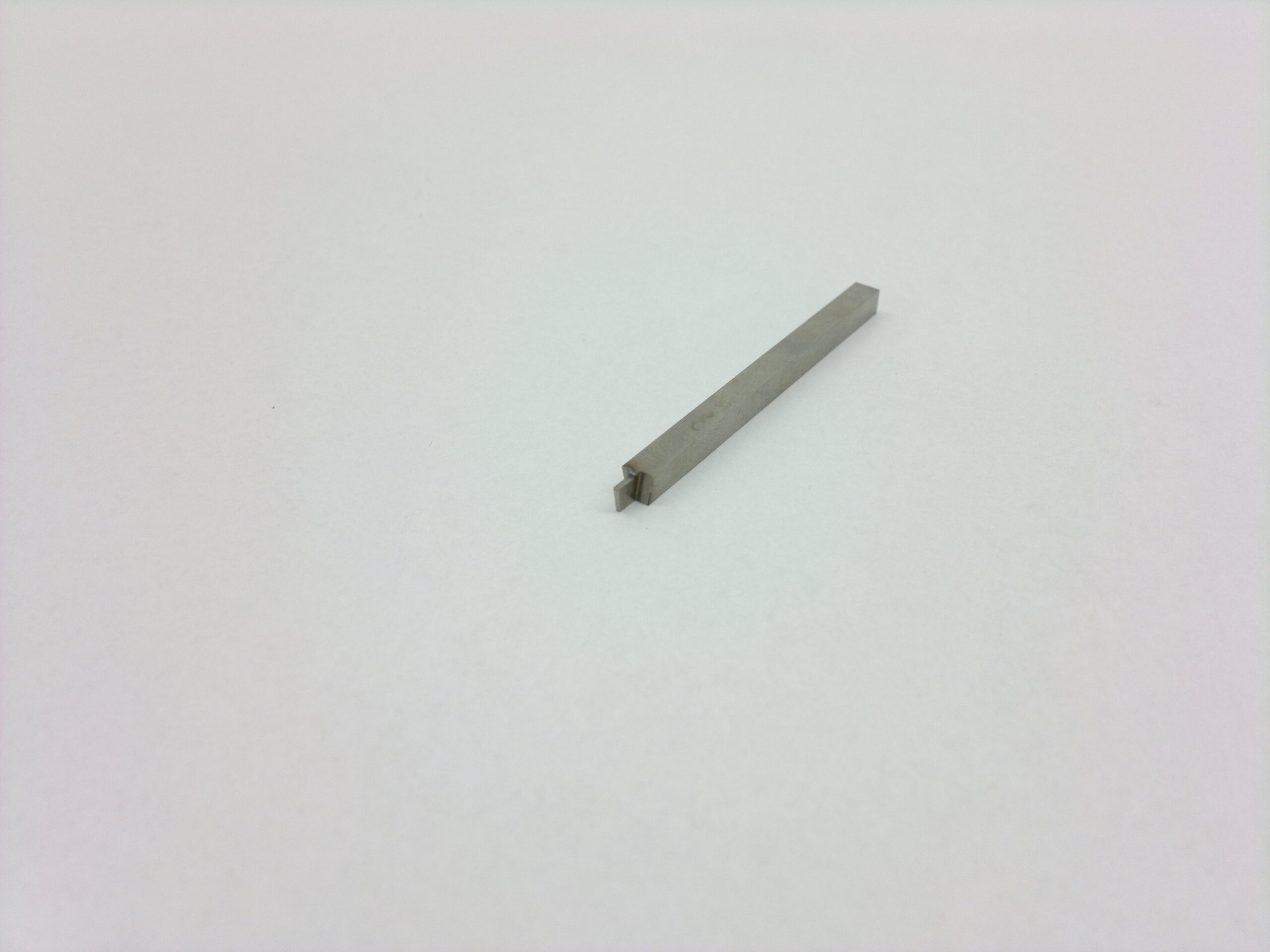
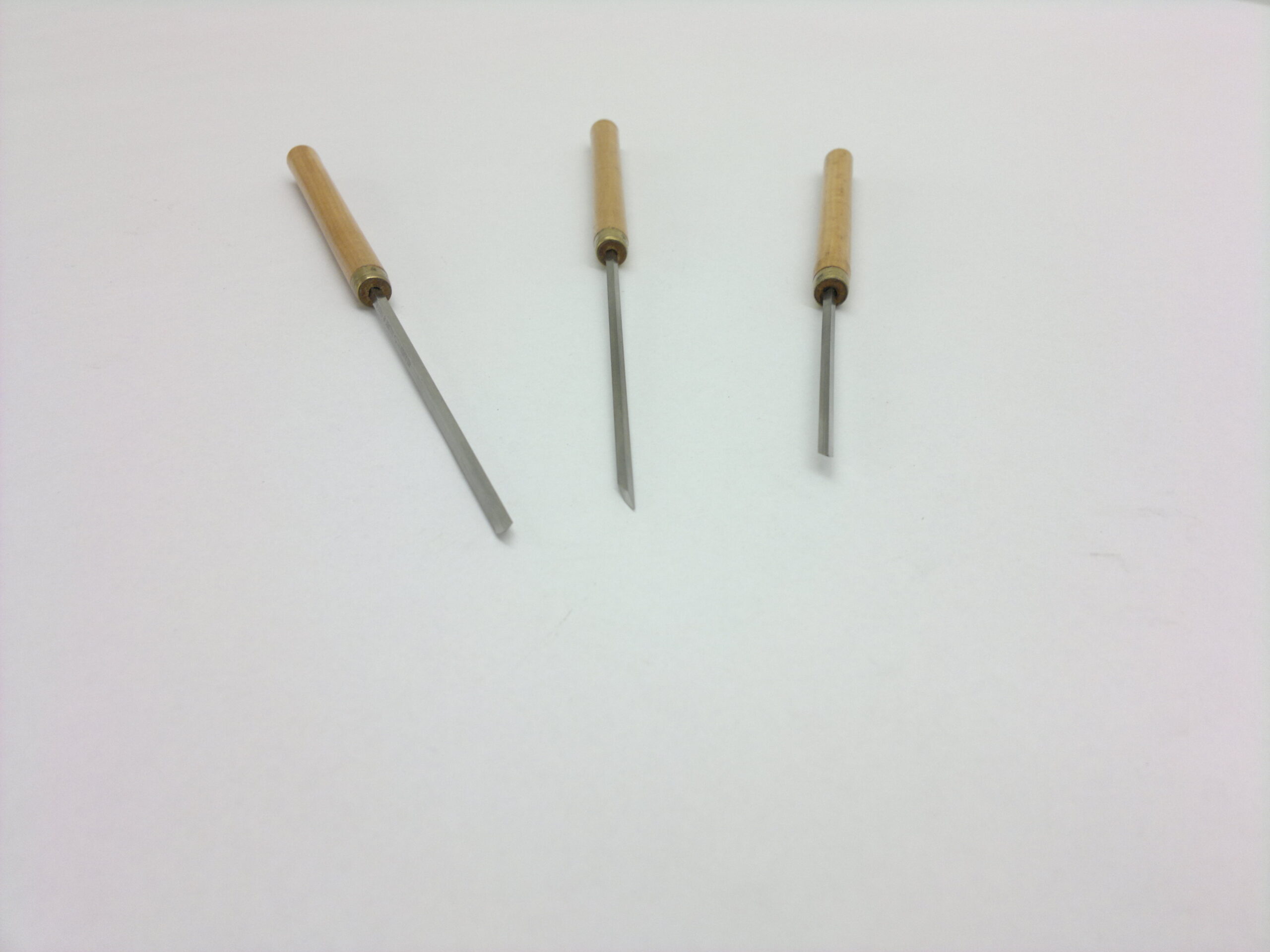
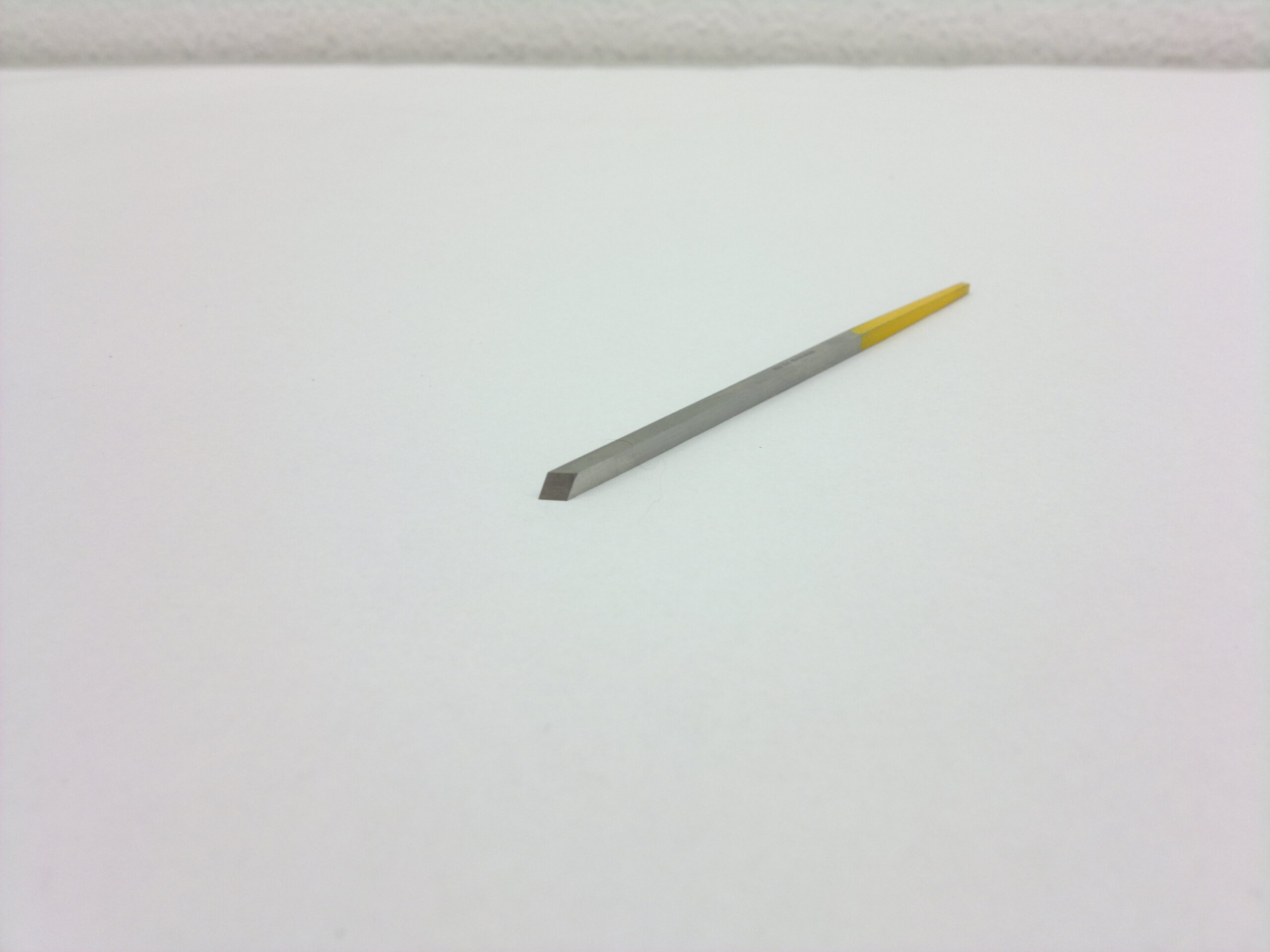
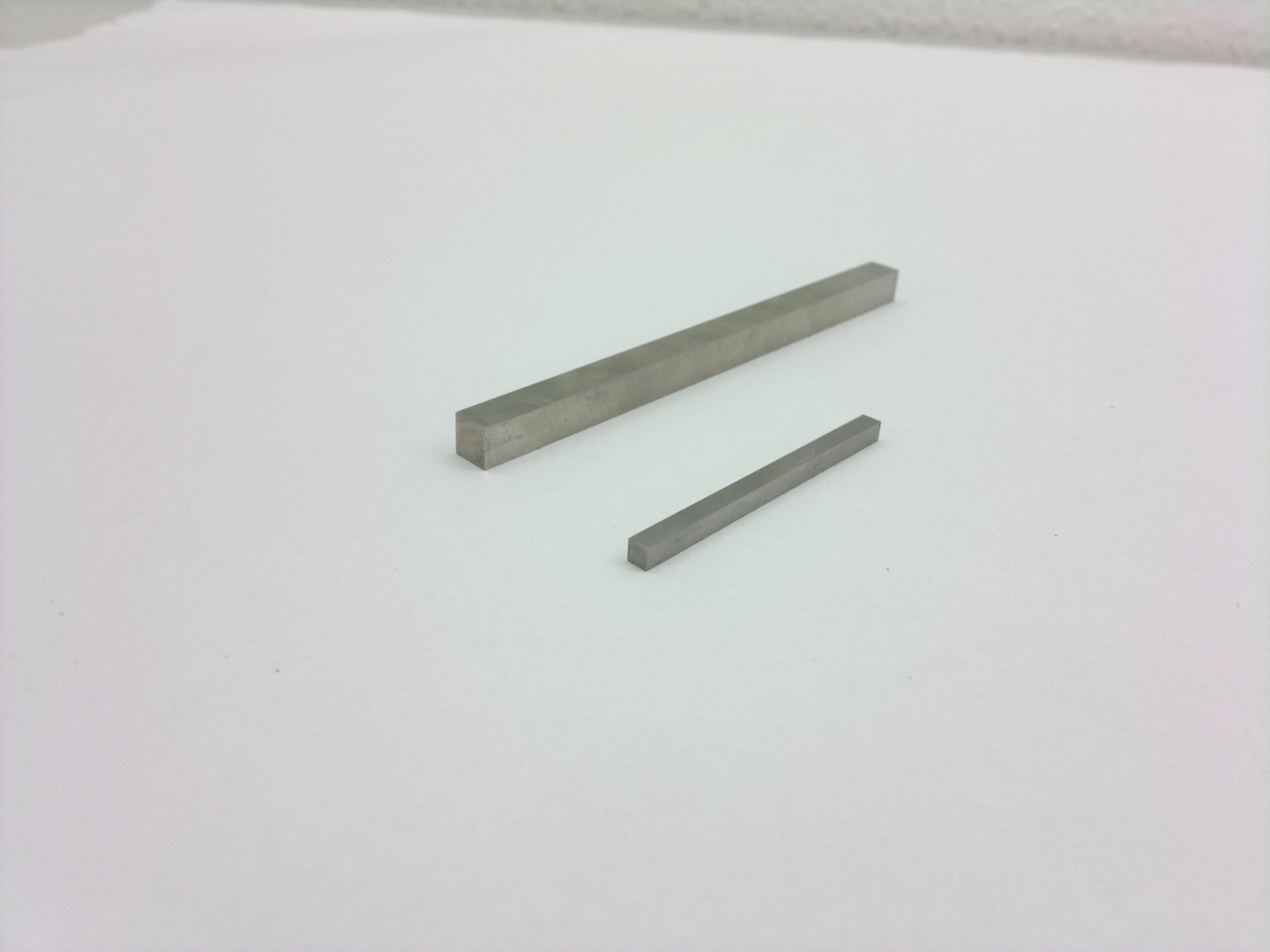
A sharpened cutting edge removes material from a rotating workpiece.
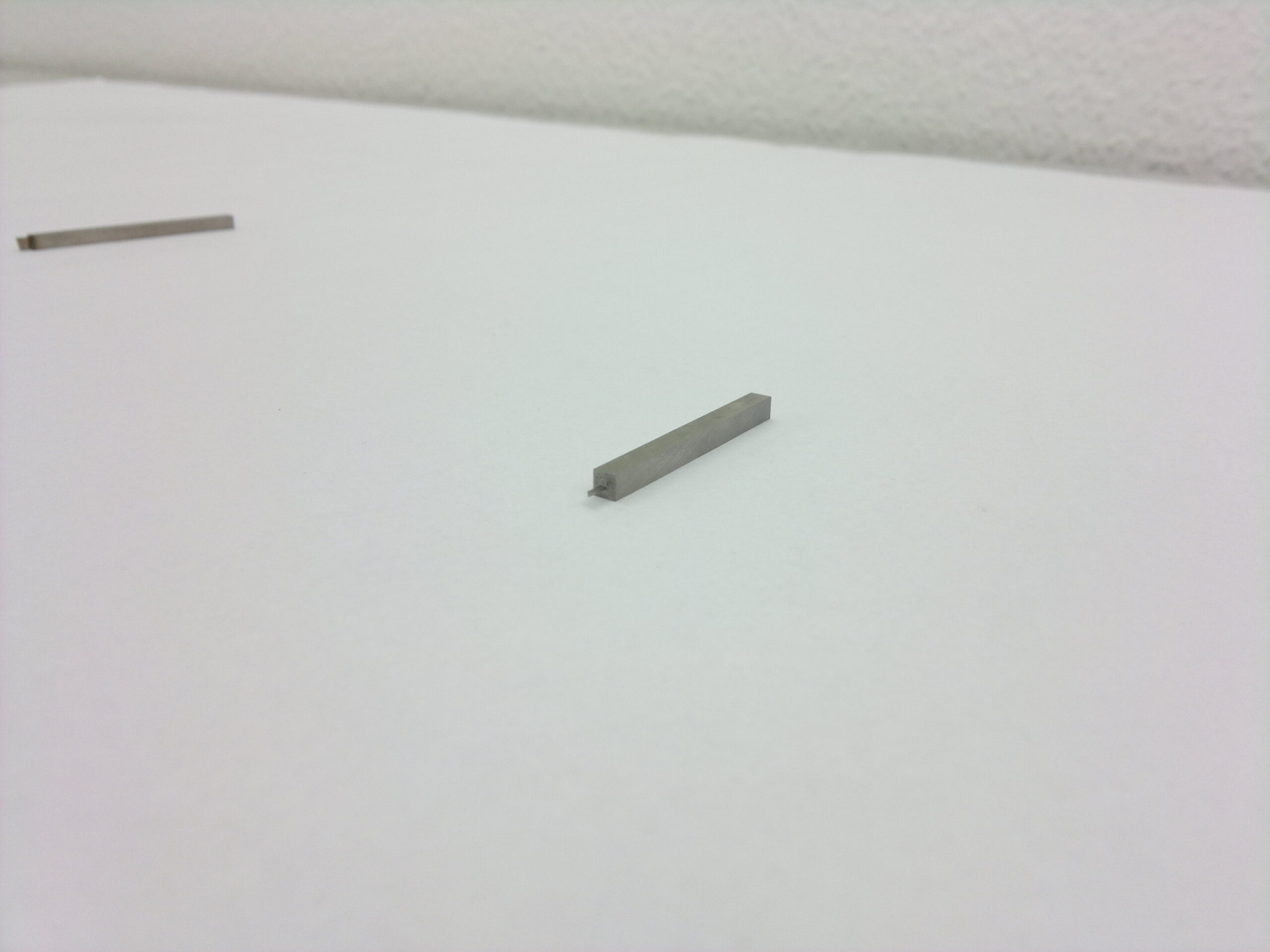
Different cutting-edge profiles allow longitudinal turning, facing and the machining of small shoulders.
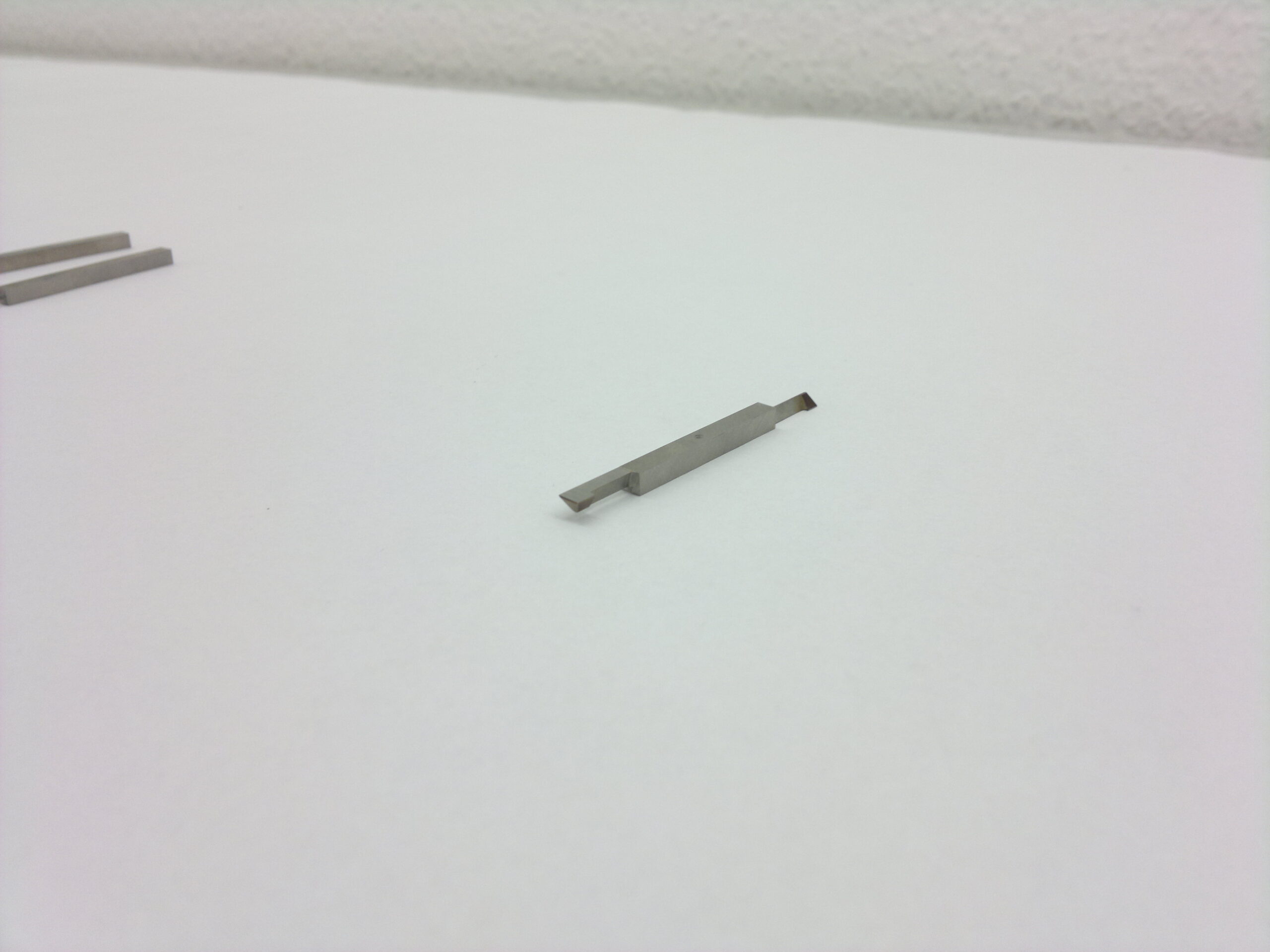
The shape of the cutting edge is selected for a particular contour or machining operation.
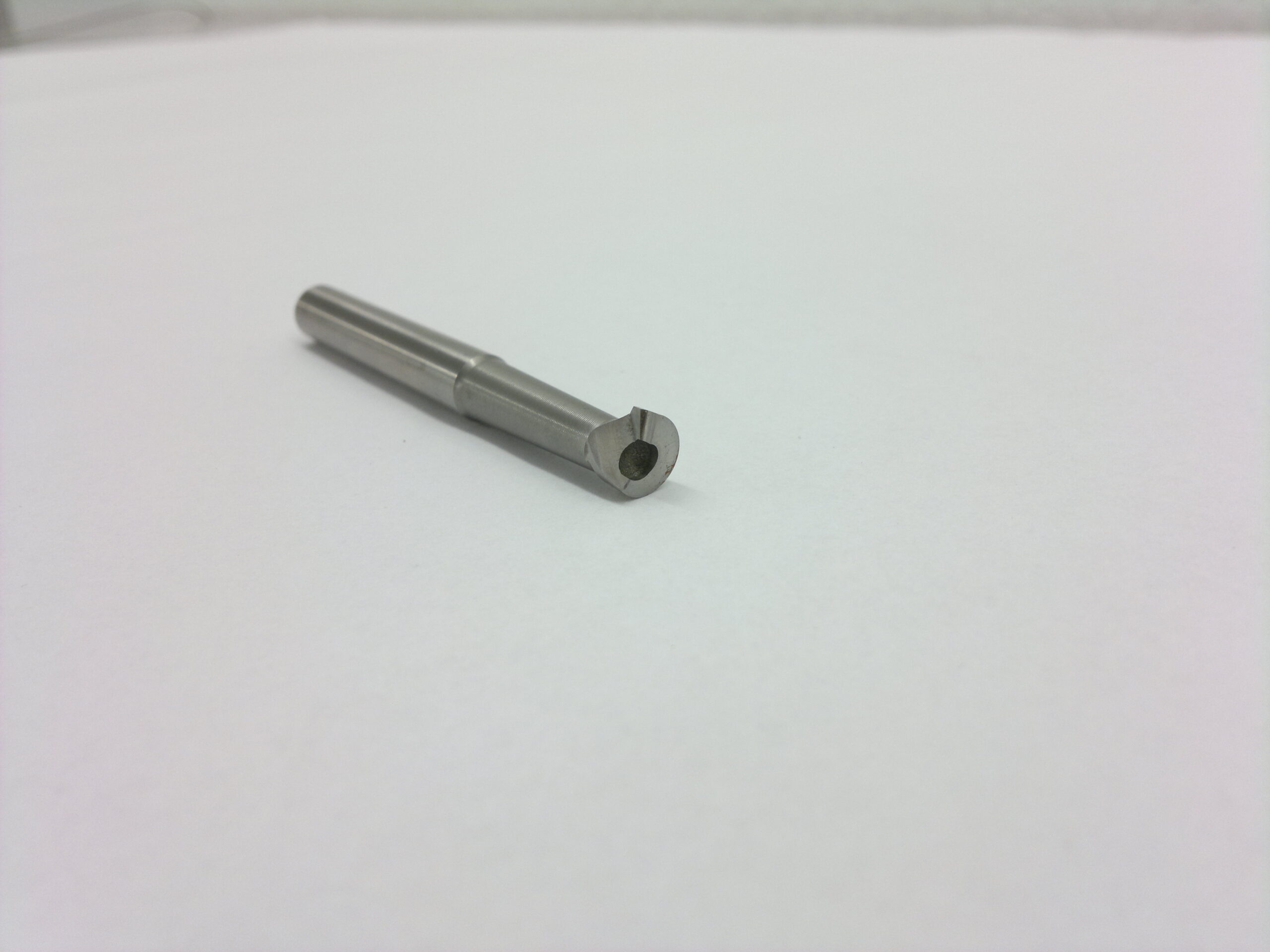
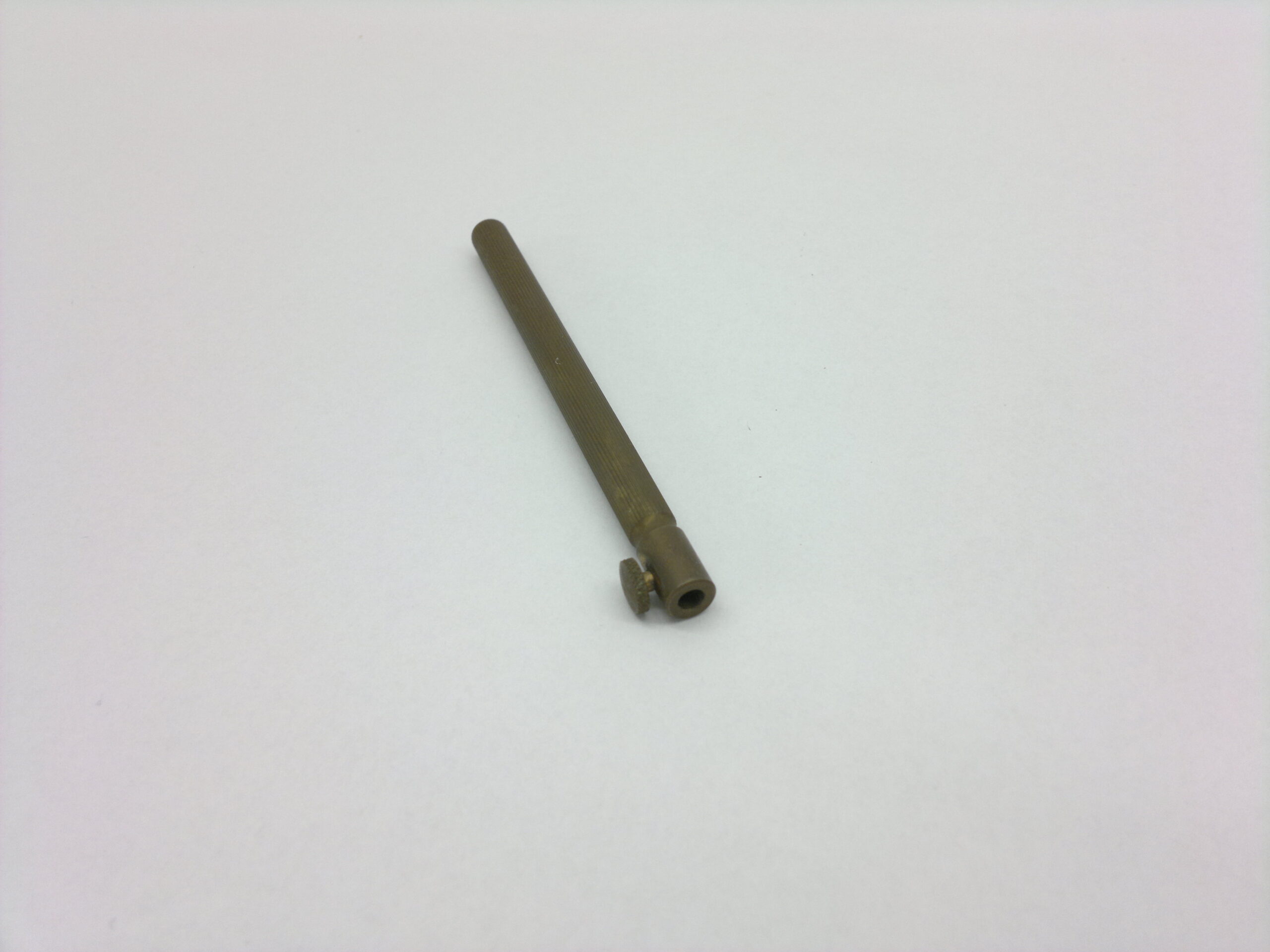
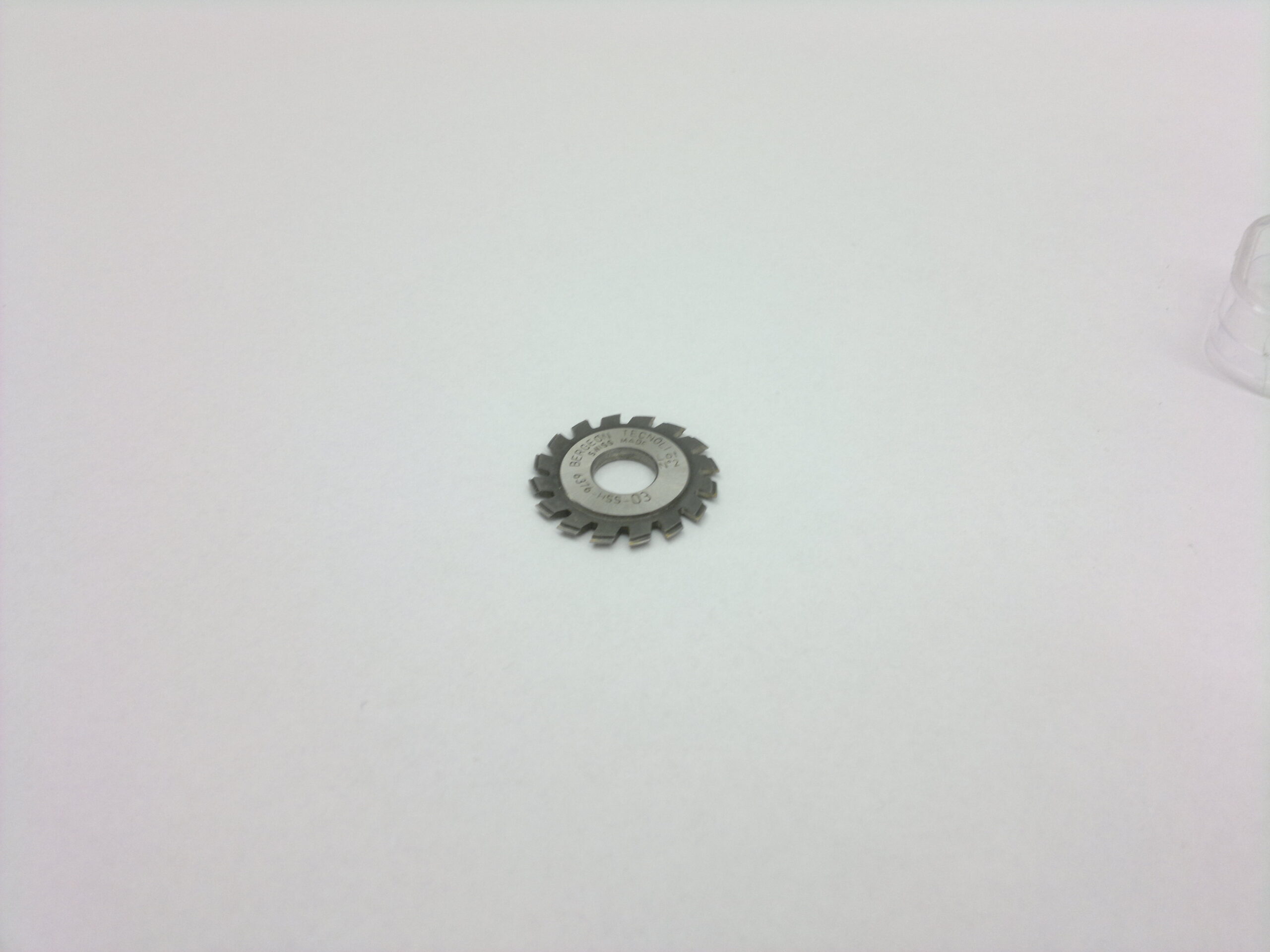
The cutting edges around the circumference machine narrow slots or other suitable contours.
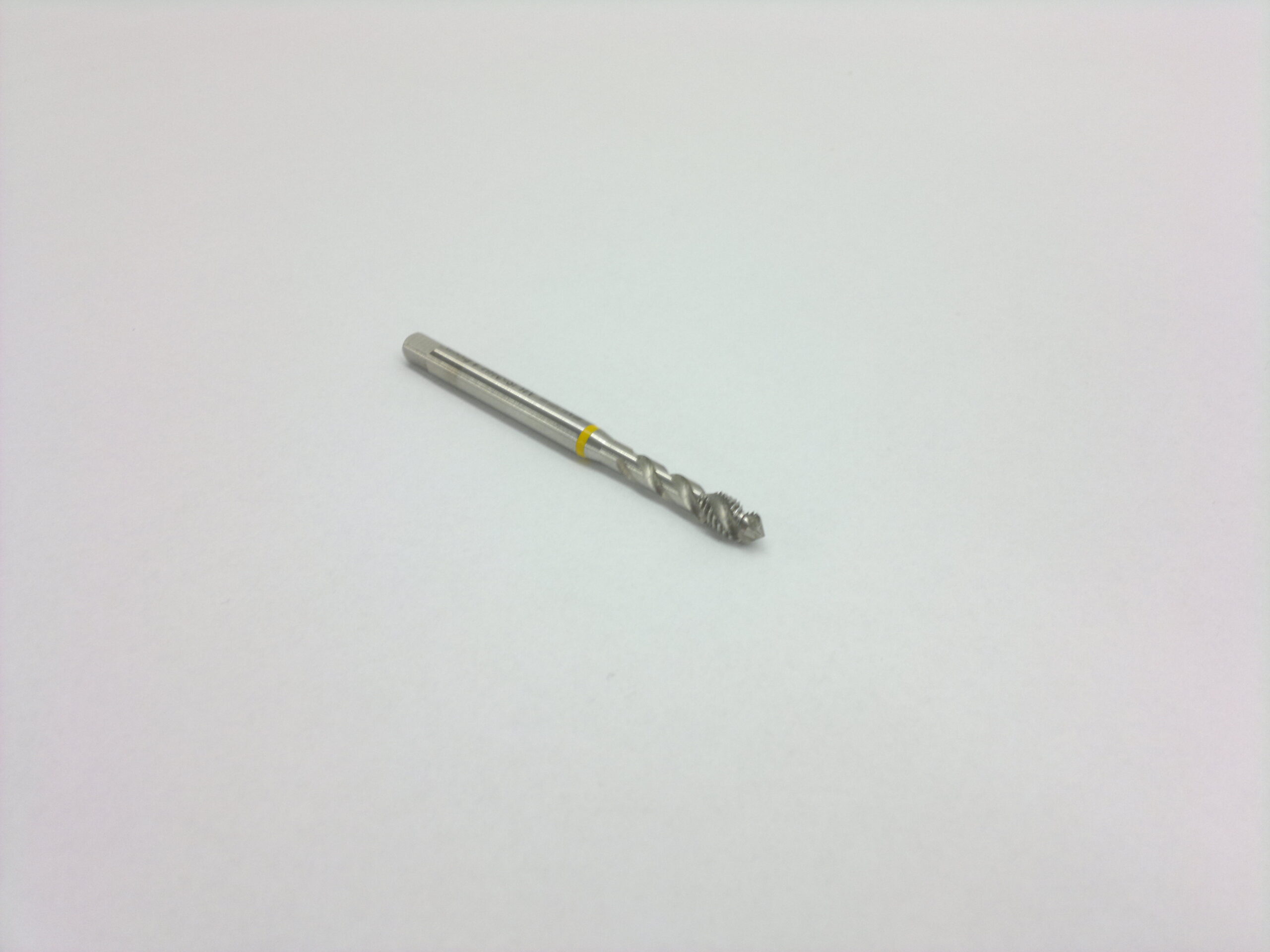
An end mill can machine surfaces, shoulders and pockets in workpieces.
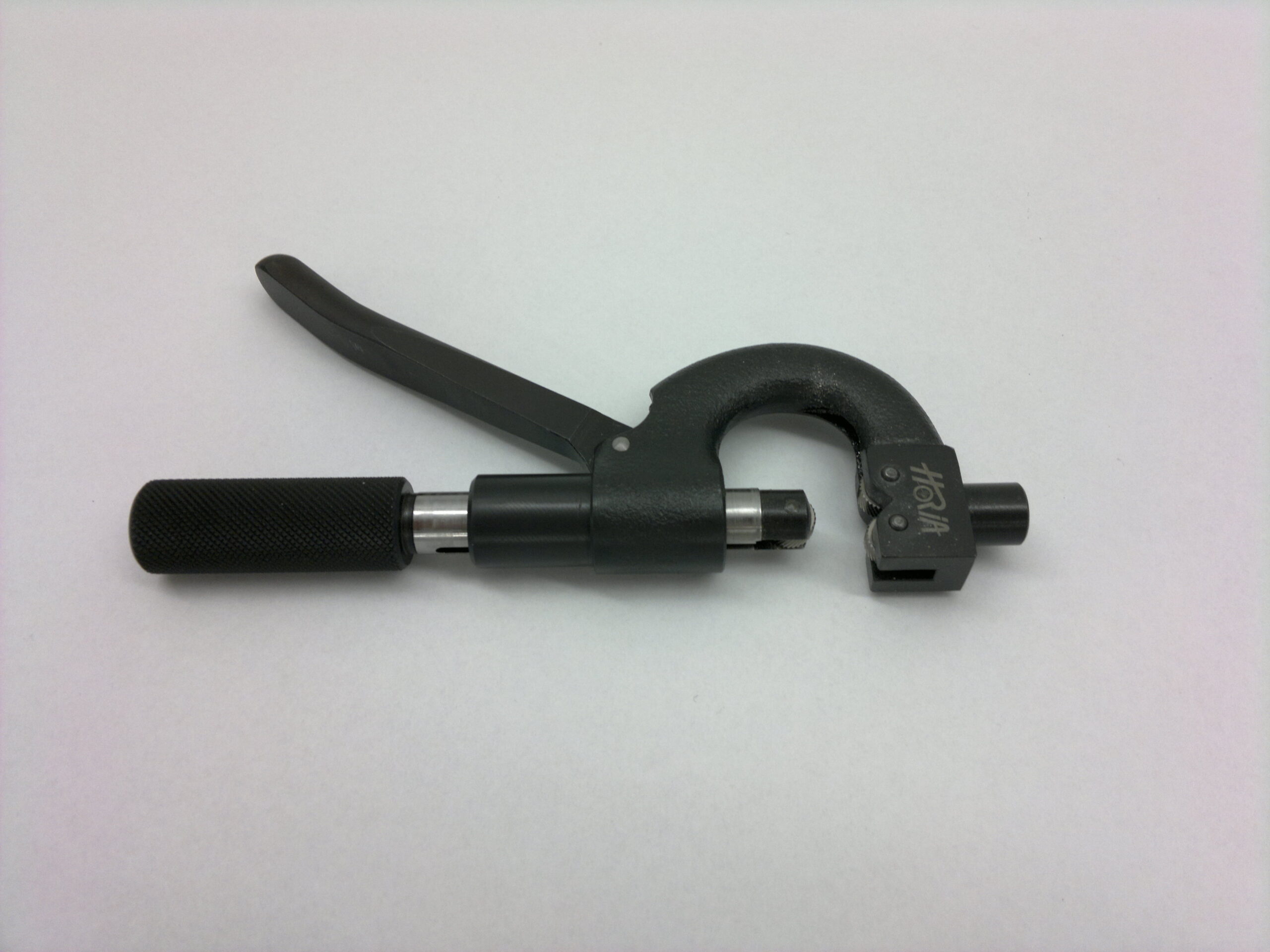
The measuring faces measure small external dimensions; the lever allows the workpiece to be inserted and removed quickly.
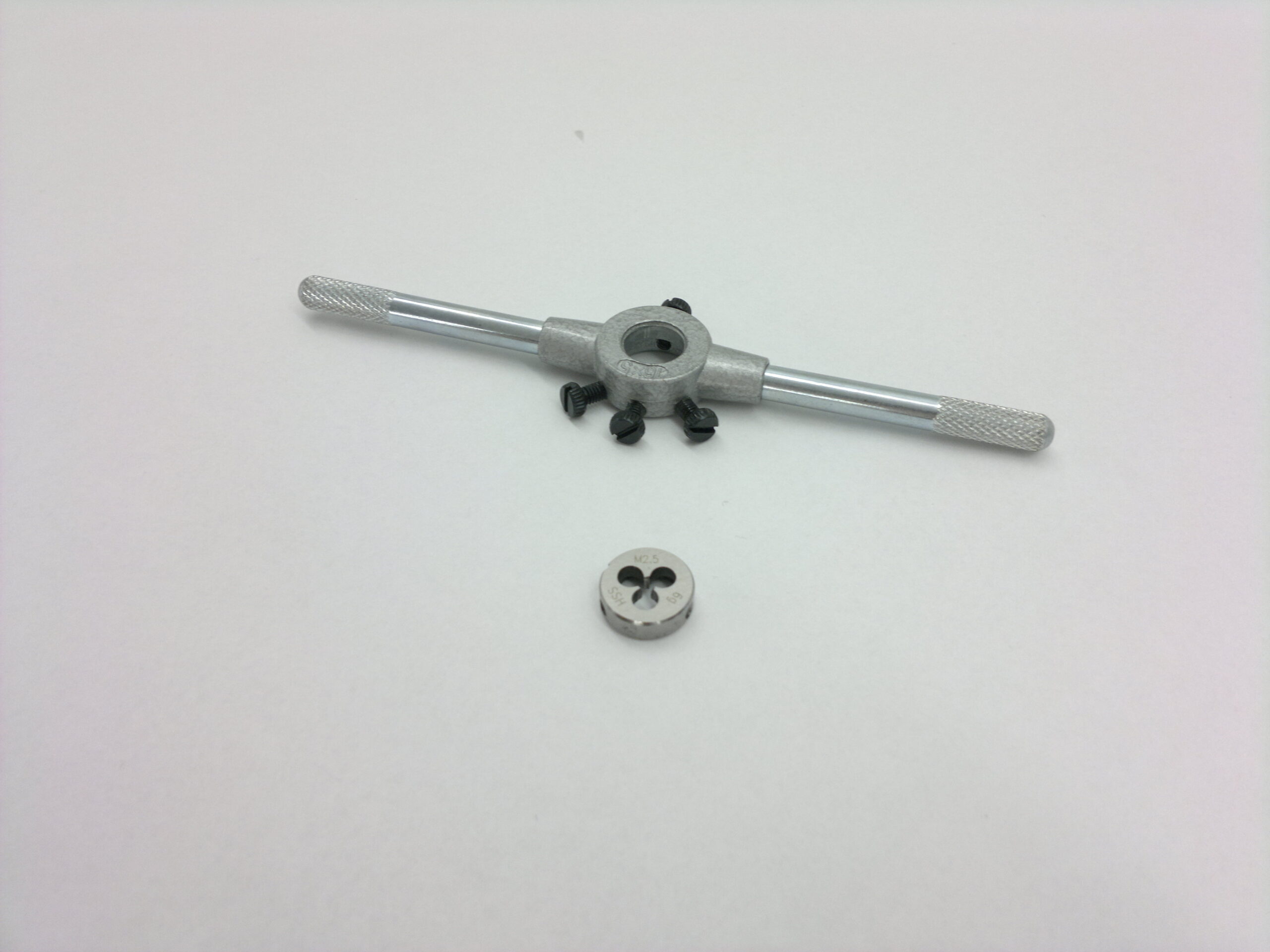
The die cuts an external thread on a suitably prepared bolt or pin.
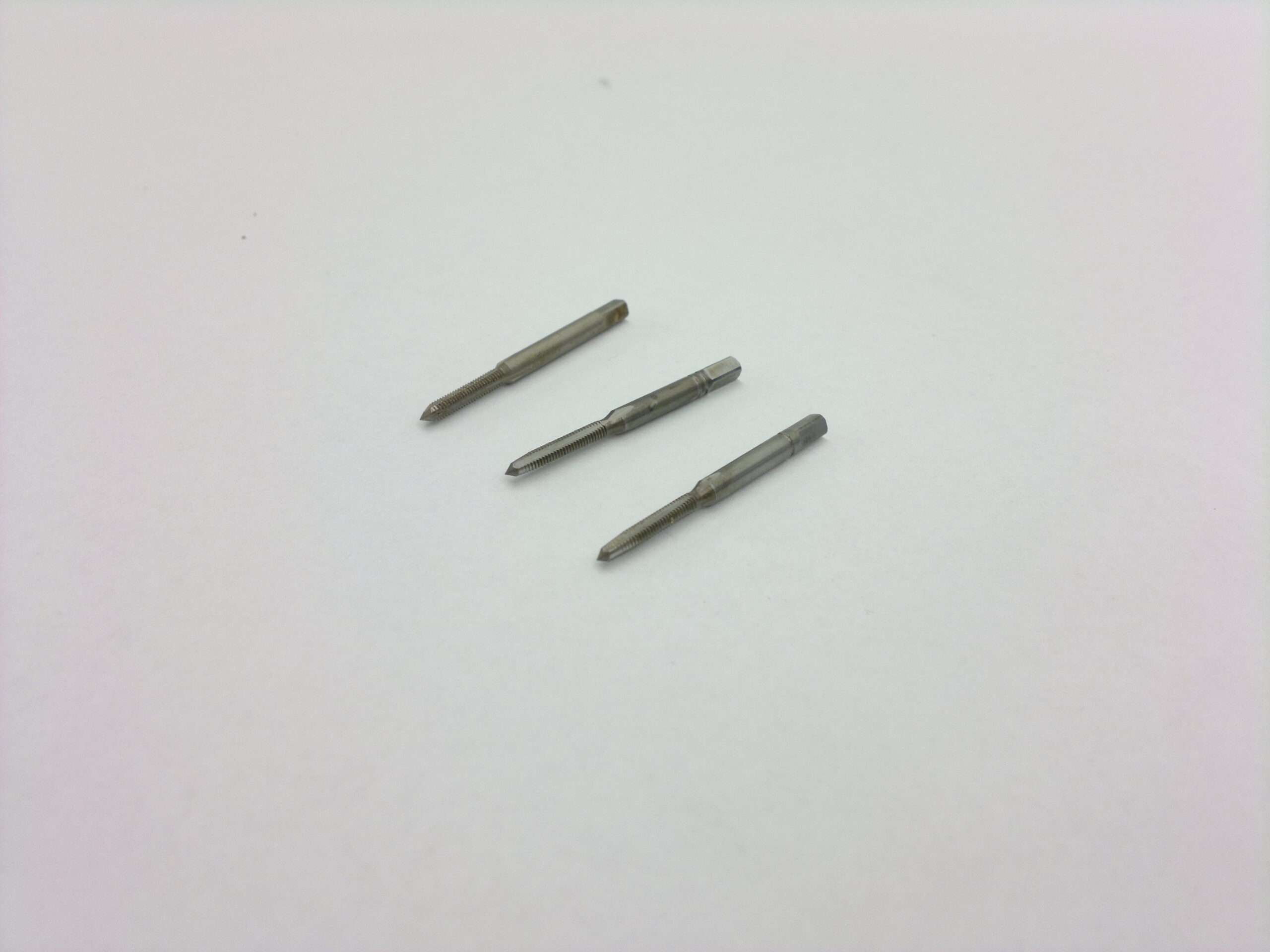
Taps cut internal threads in prepared tapping holes.
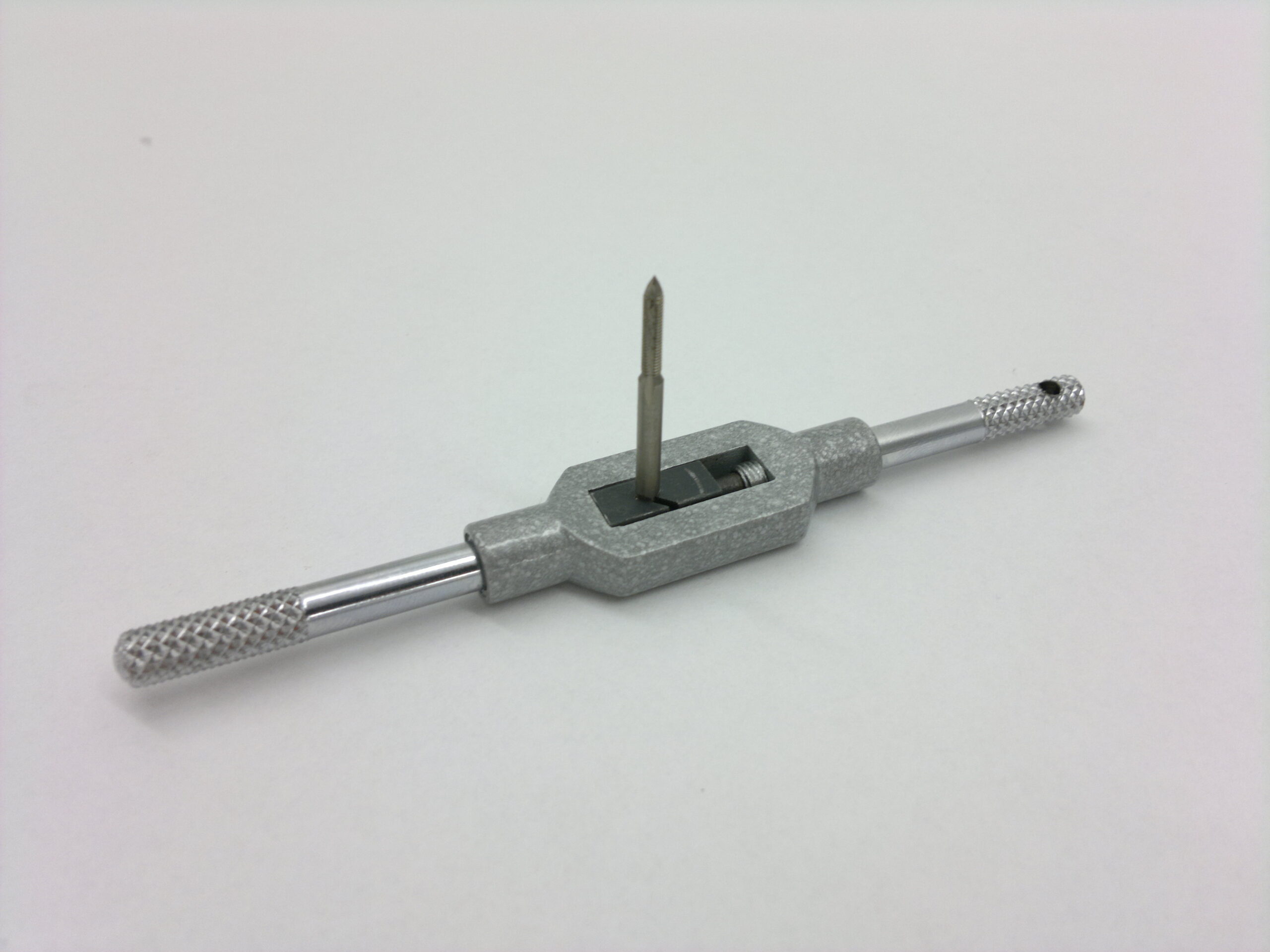
The tap wrench holds the tap and allows it to be guided by hand in a controlled manner.
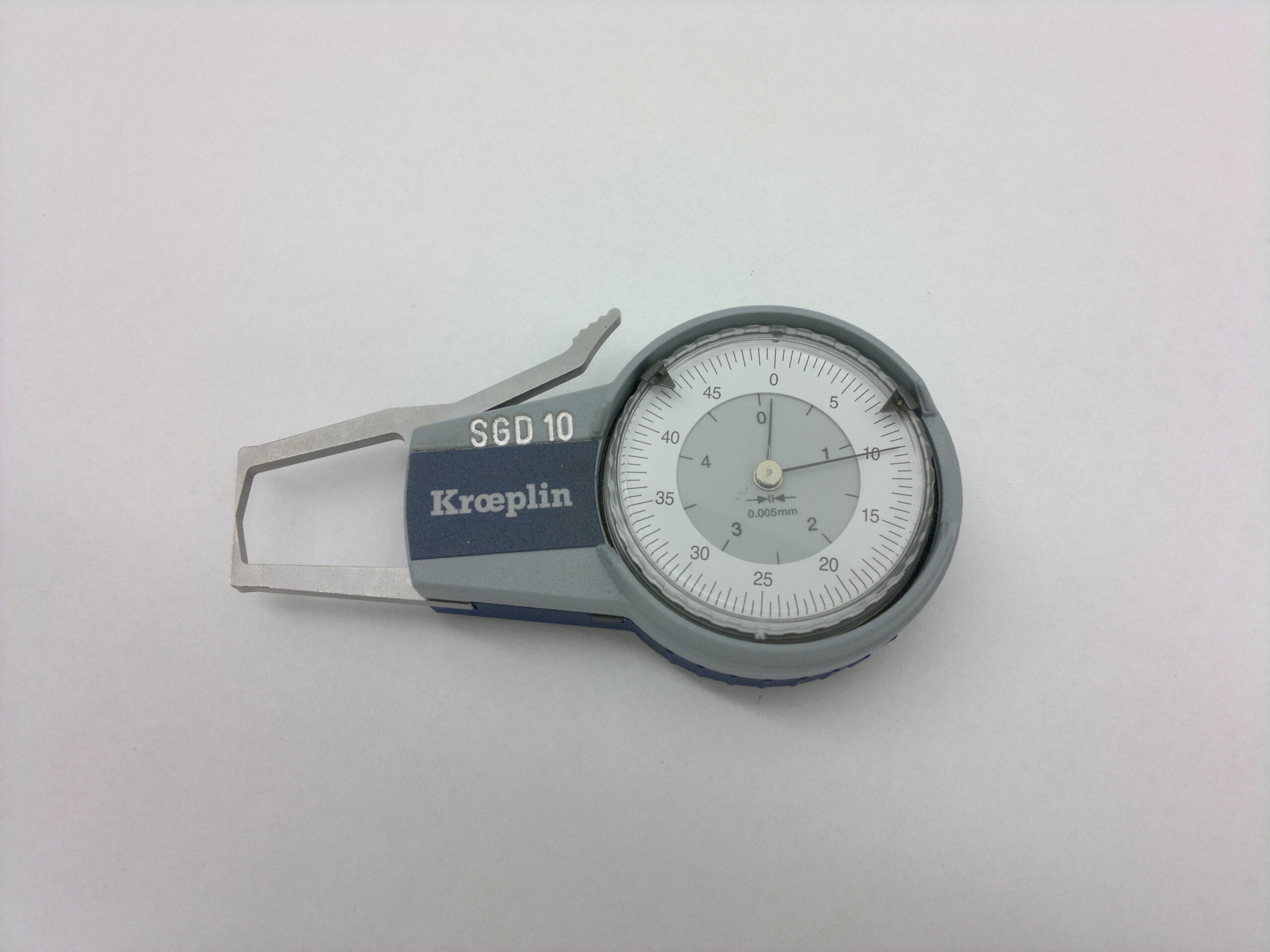
This handy measuring instrument allows small external dimensions and material thicknesses to be checked quickly.
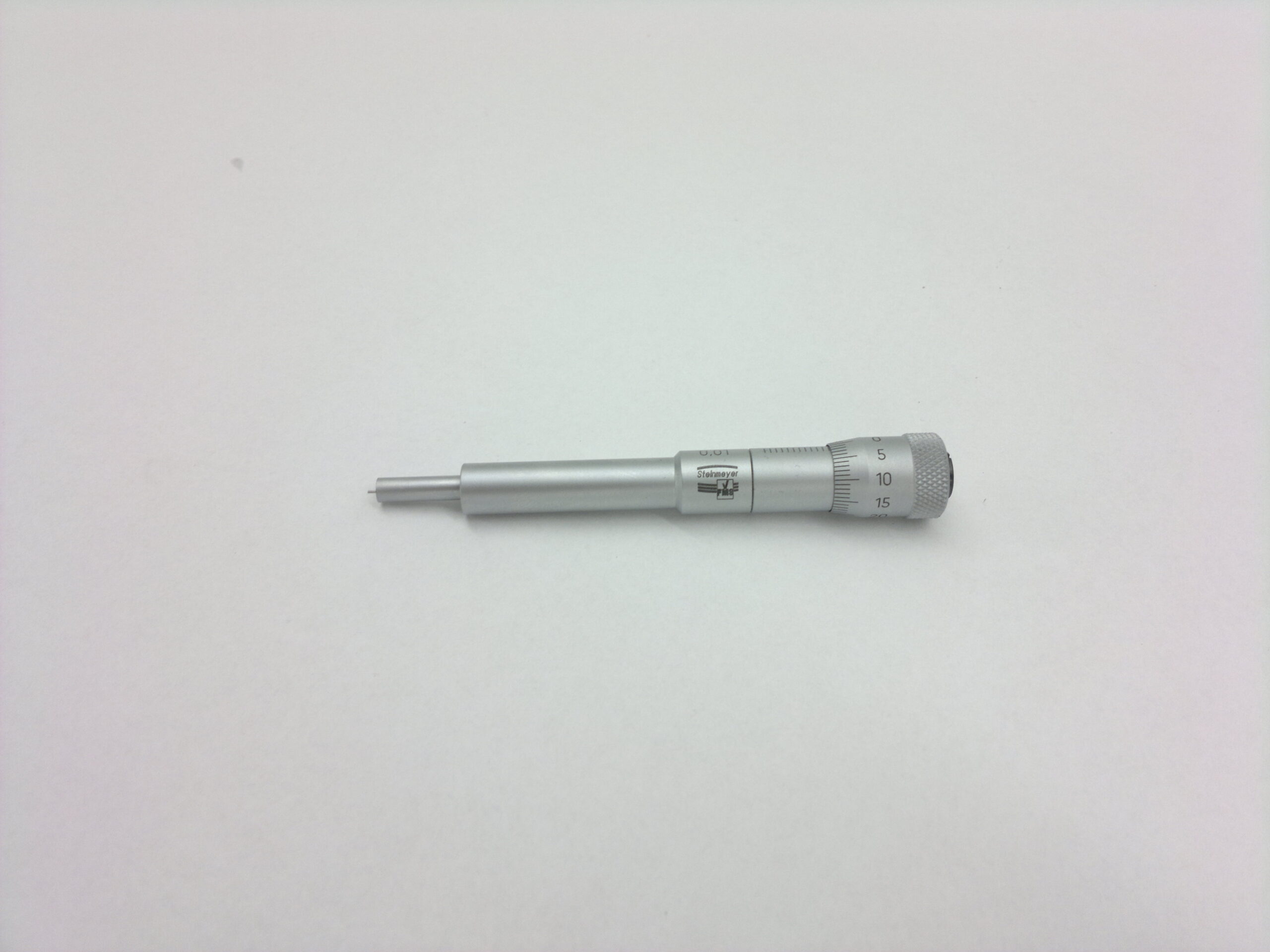
The finely adjustable measuring spindle is used for measuring or setting in suitable fixtures.
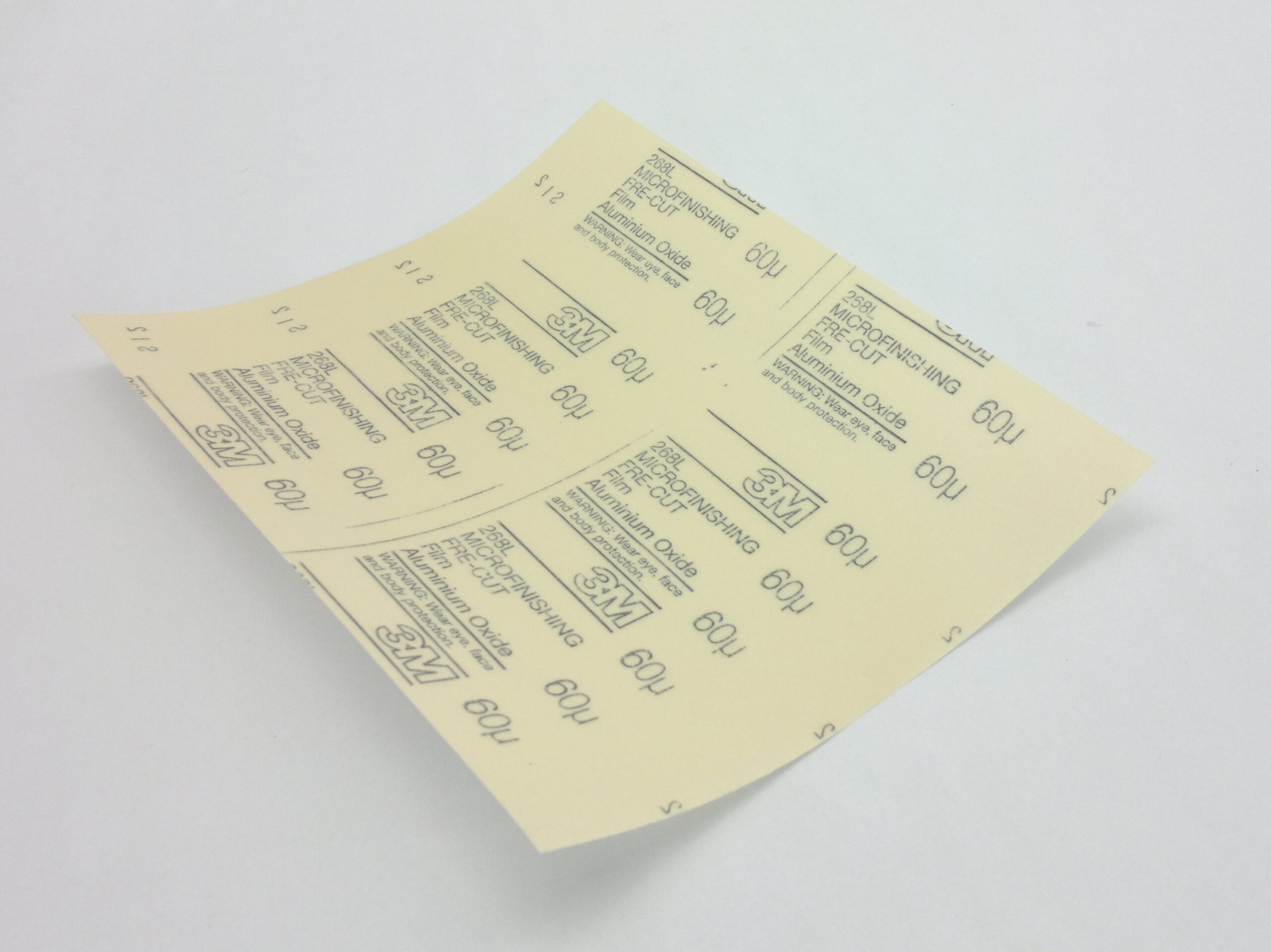
Depending on the grit, it is used to remove machining marks and prepare the surface.
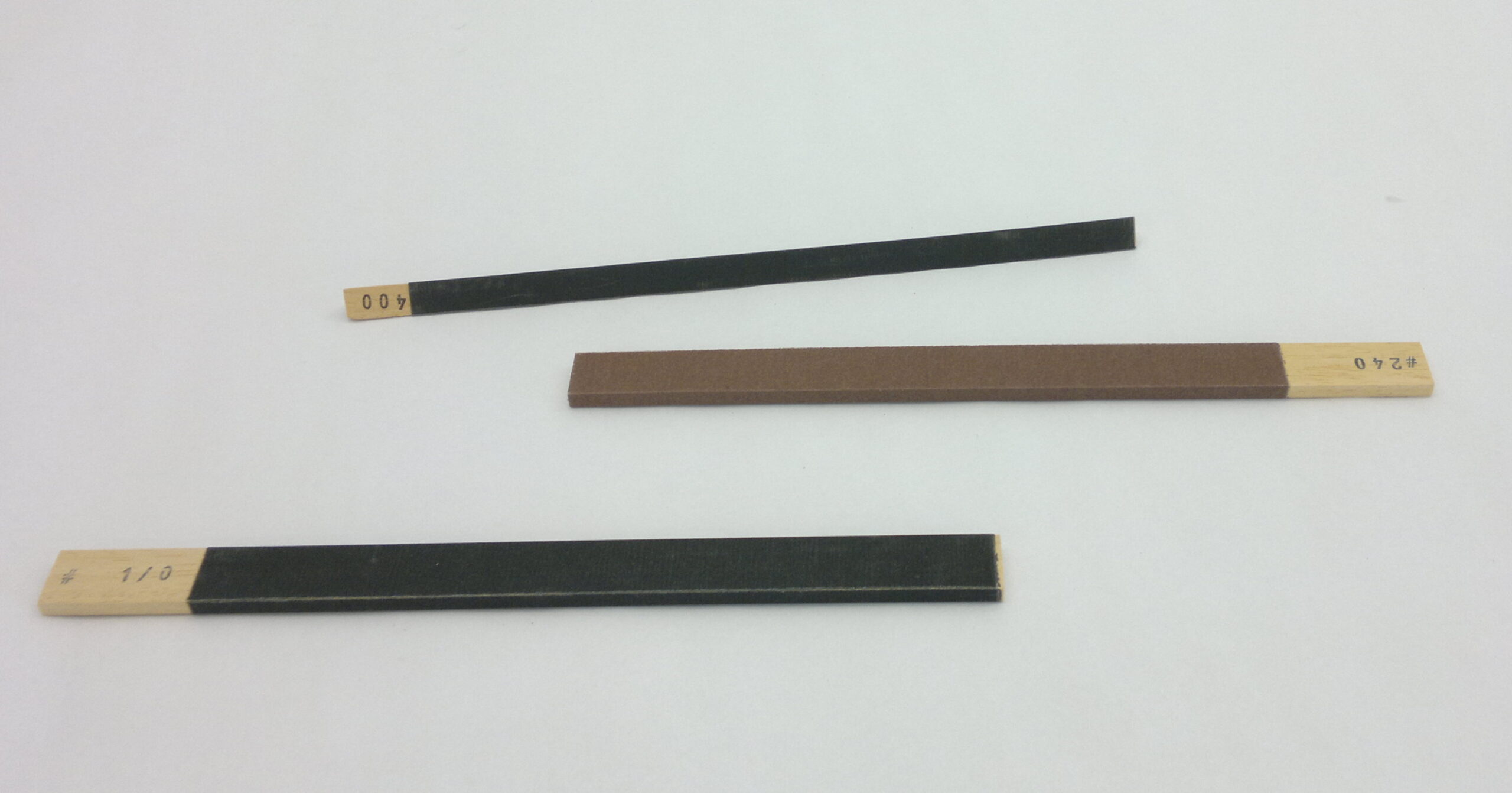
Strips coated with abrasive allow small surfaces to be smoothed precisely.
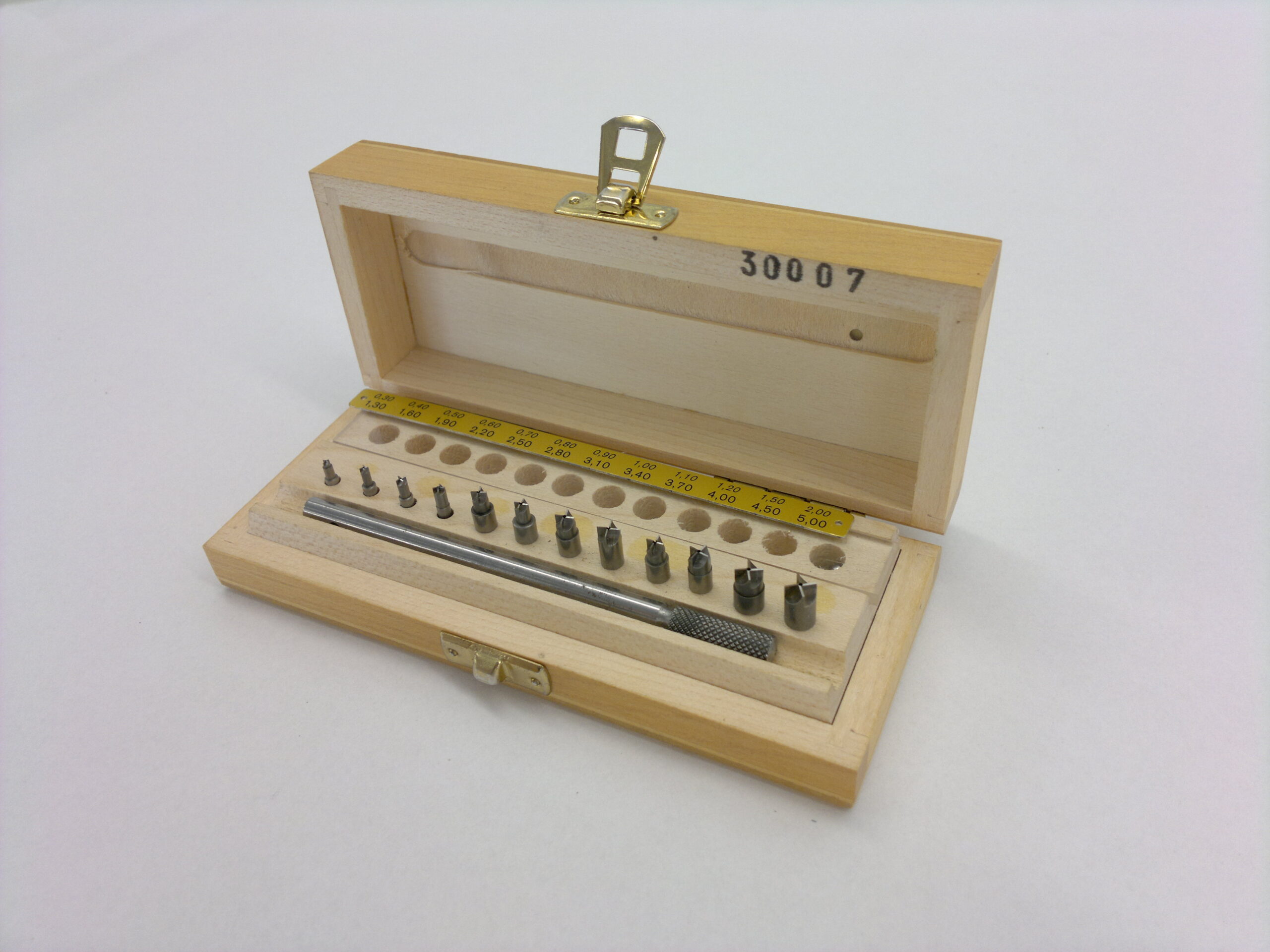
A set of taps and dies for small internal and external threads.
Other specialised tools and movement holders
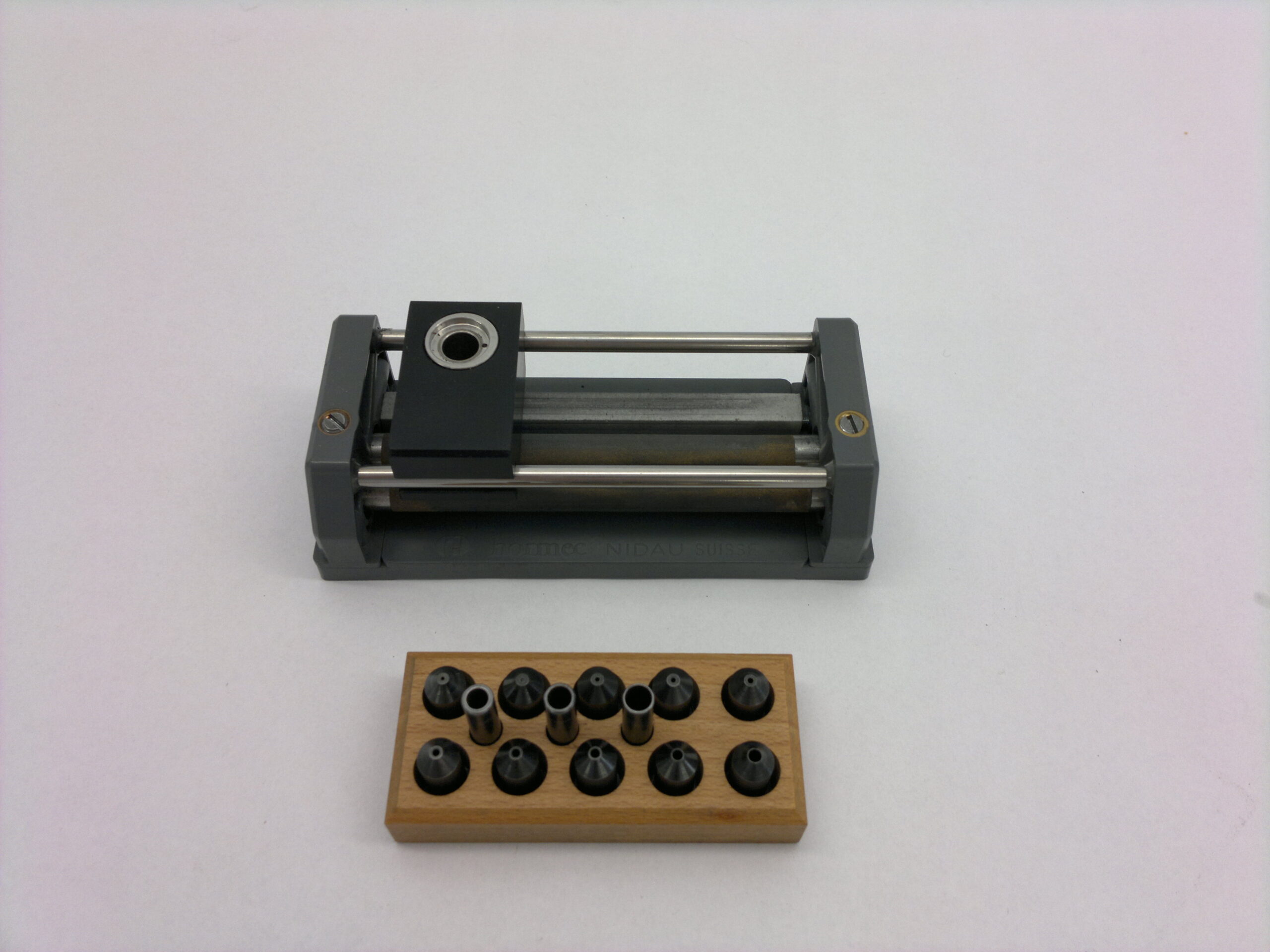
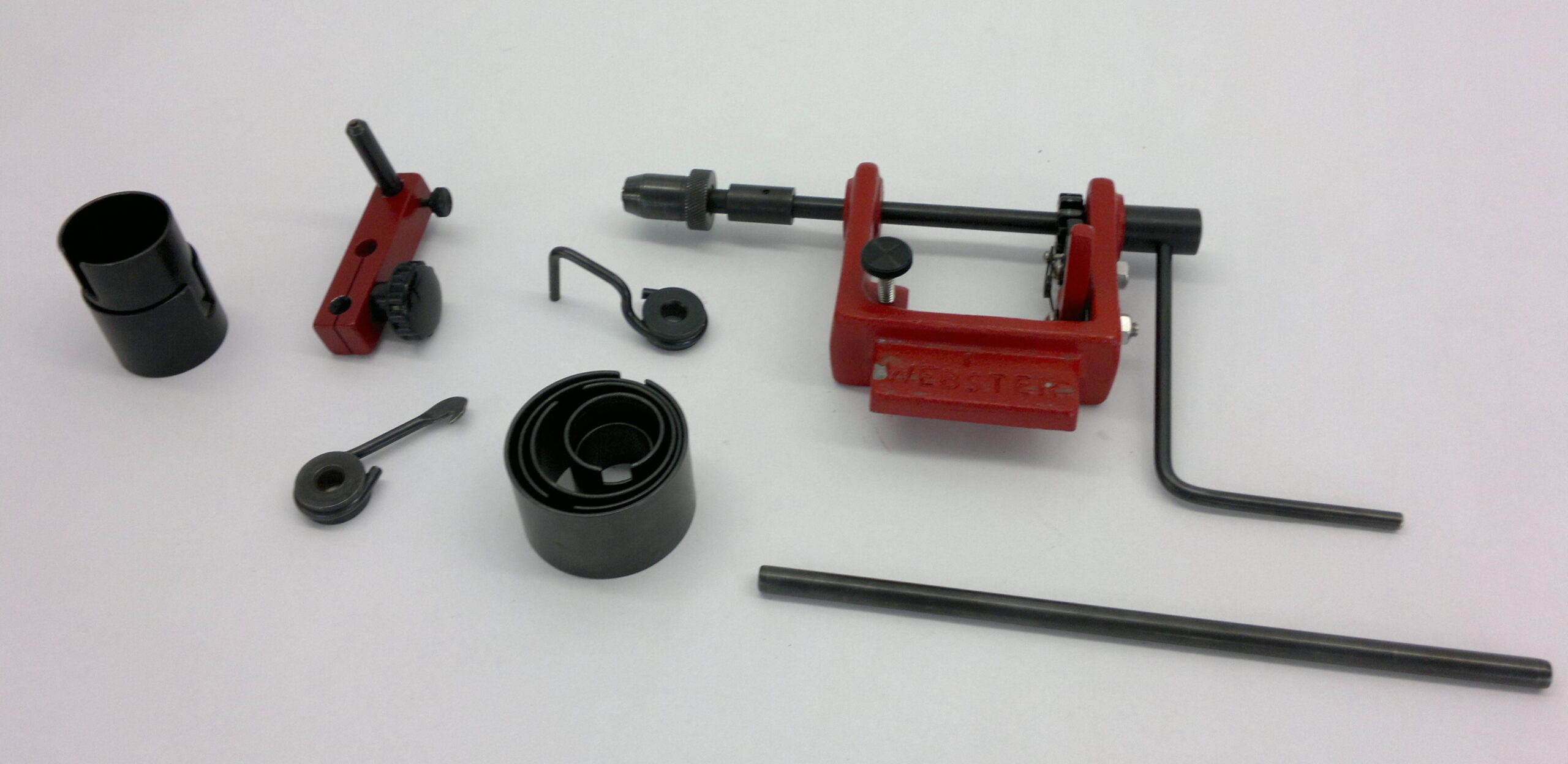
The device holds the mainspring while it is wound out and in under control; suitable sleeves hold the wound spring.
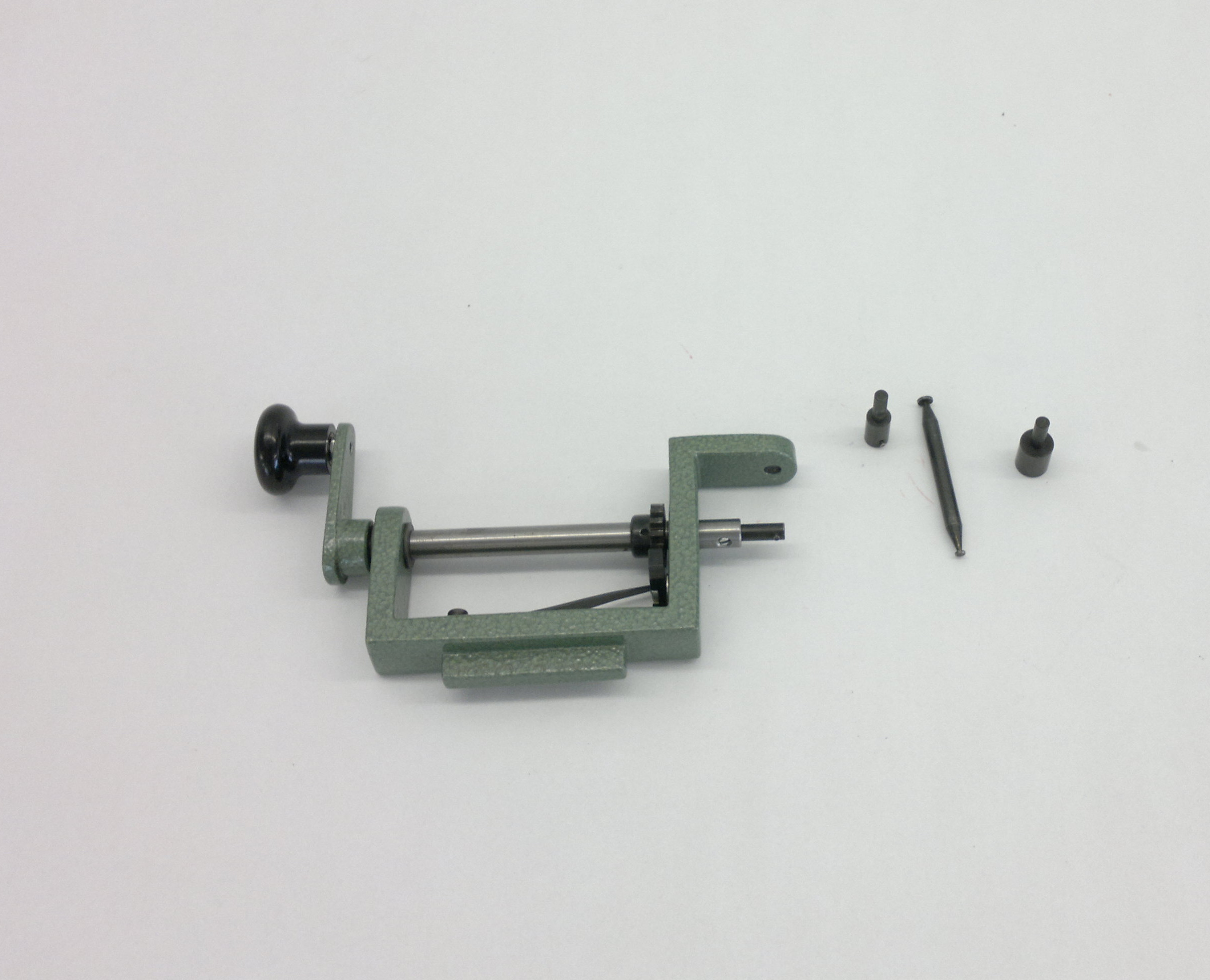
Another device for guided winding of a mainspring without compressing the spring by hand.
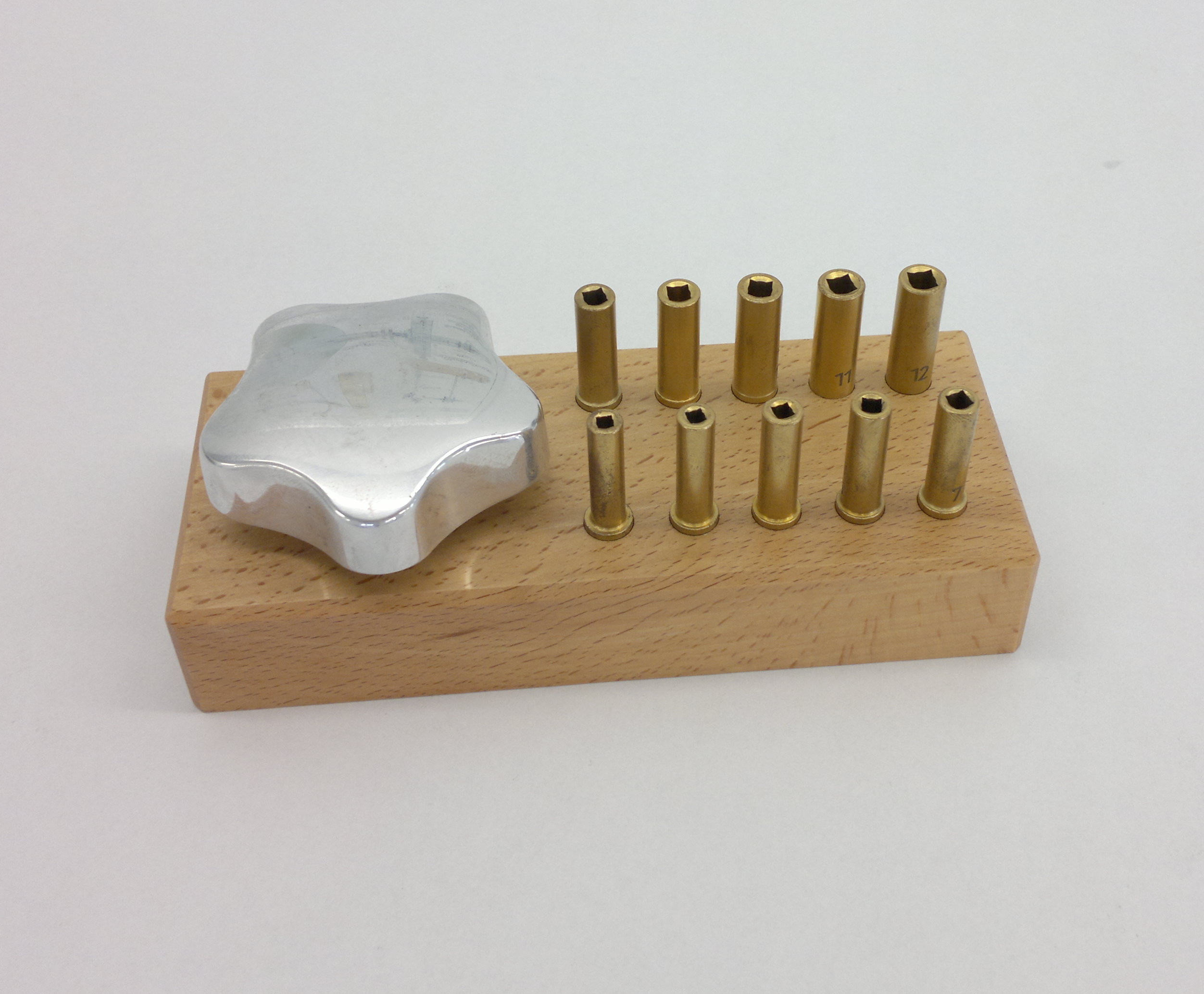
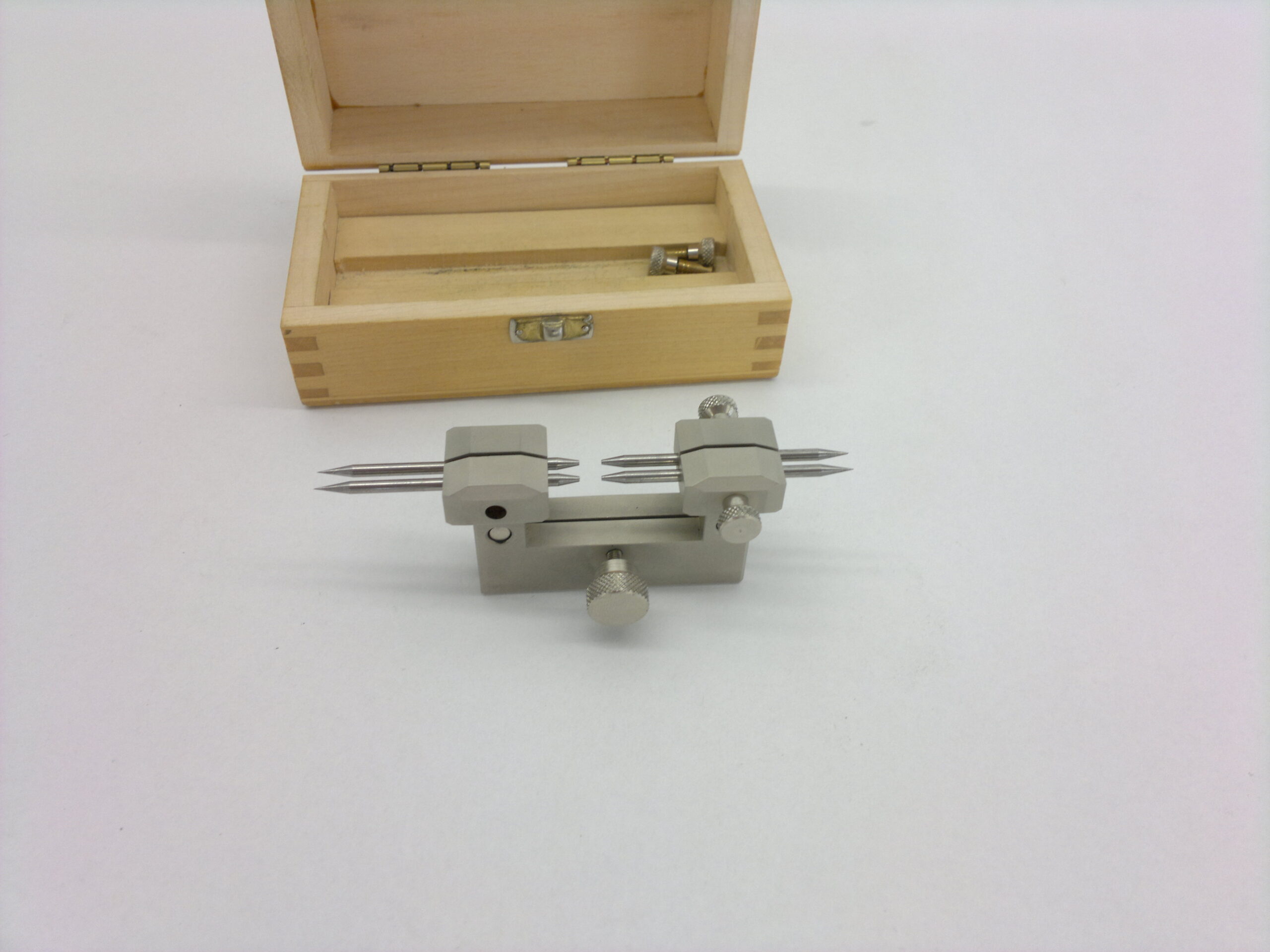
The wheel and pinion are supported between centres. This allows the meshing and centre distance to be checked outside the movement and transferred to the plate.
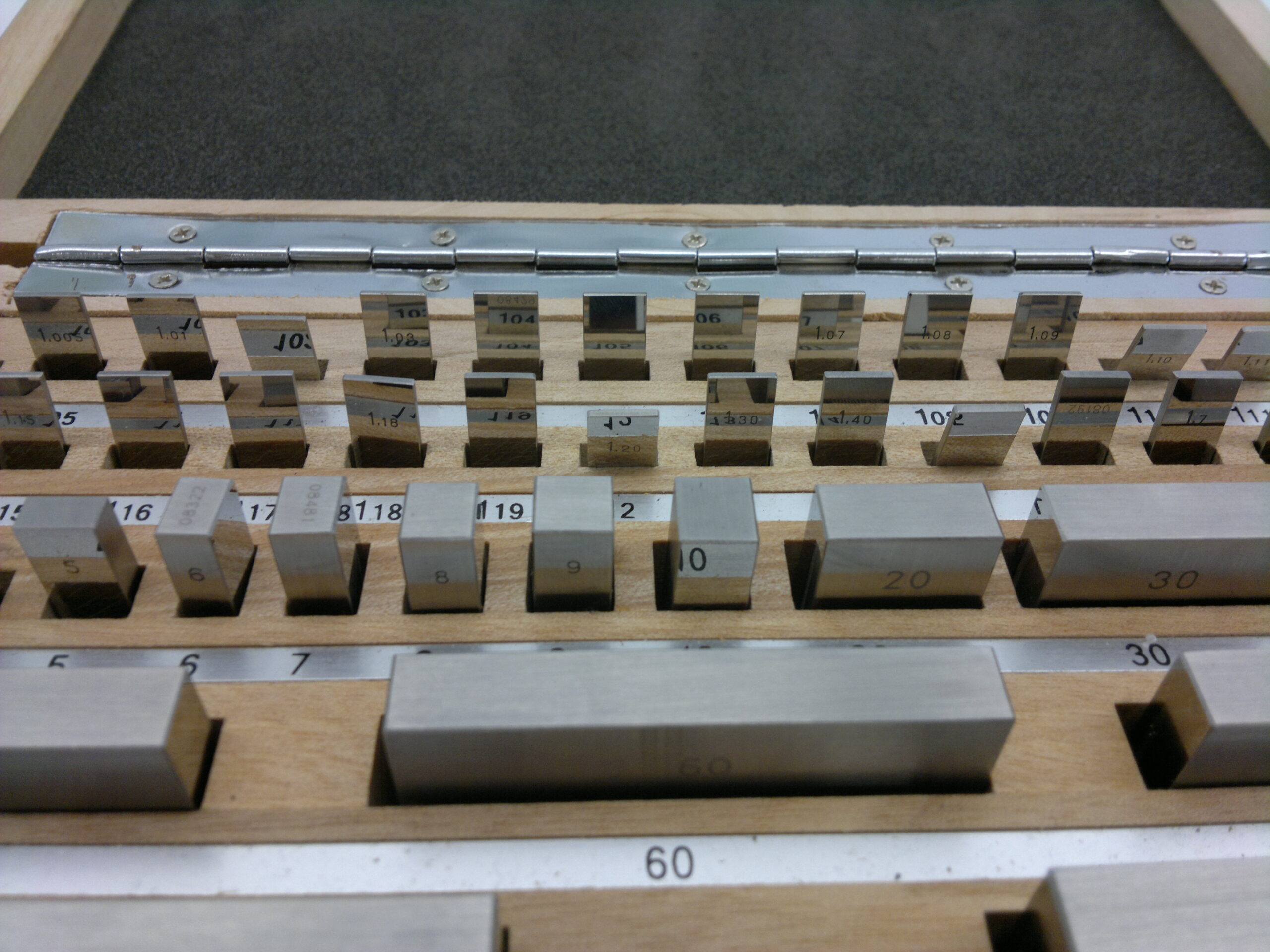
The ground measuring faces provide defined lengths for comparison and setting.
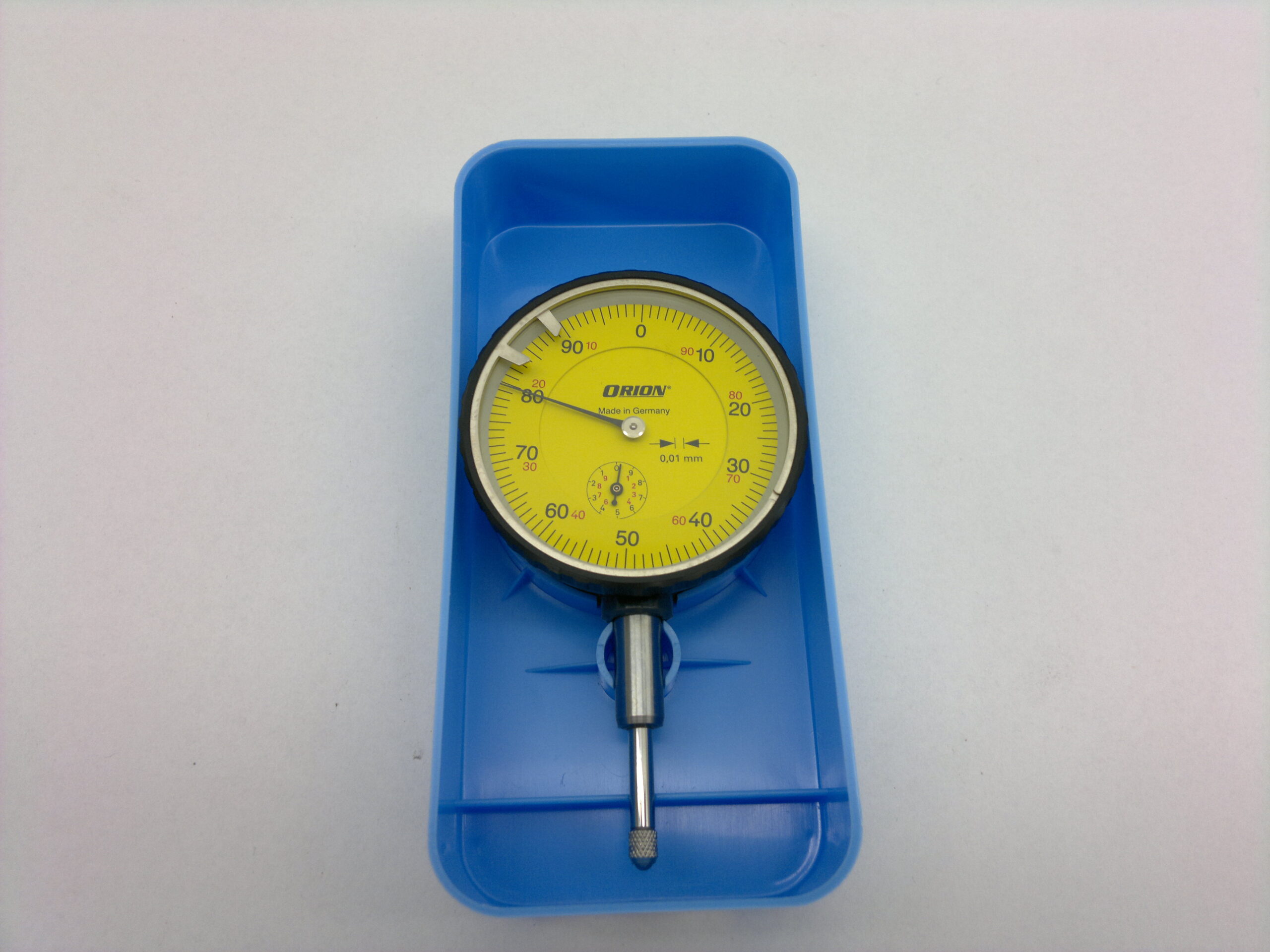
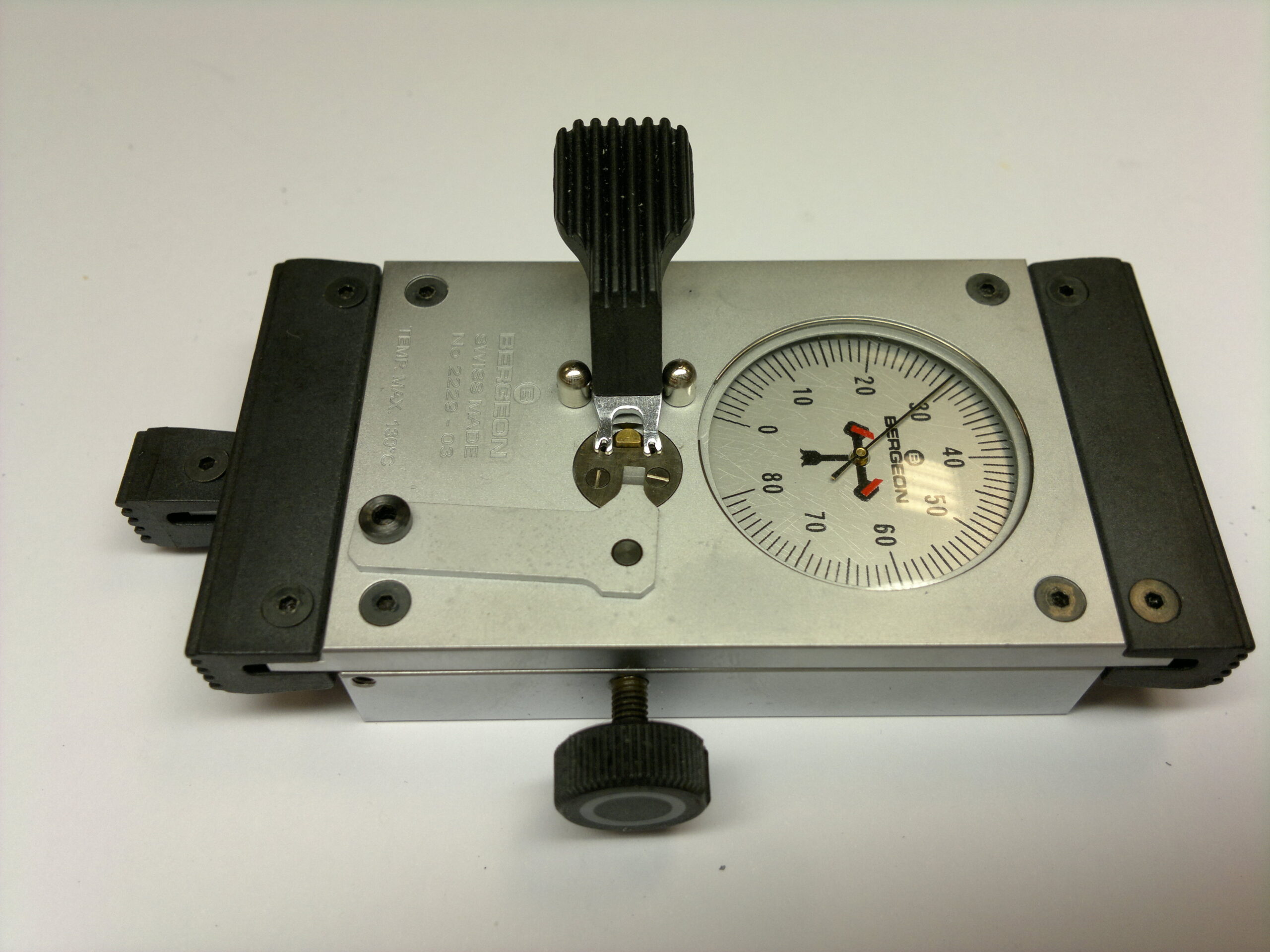
The measuring contact shows small changes in position, for example when checking radial or axial run-out.
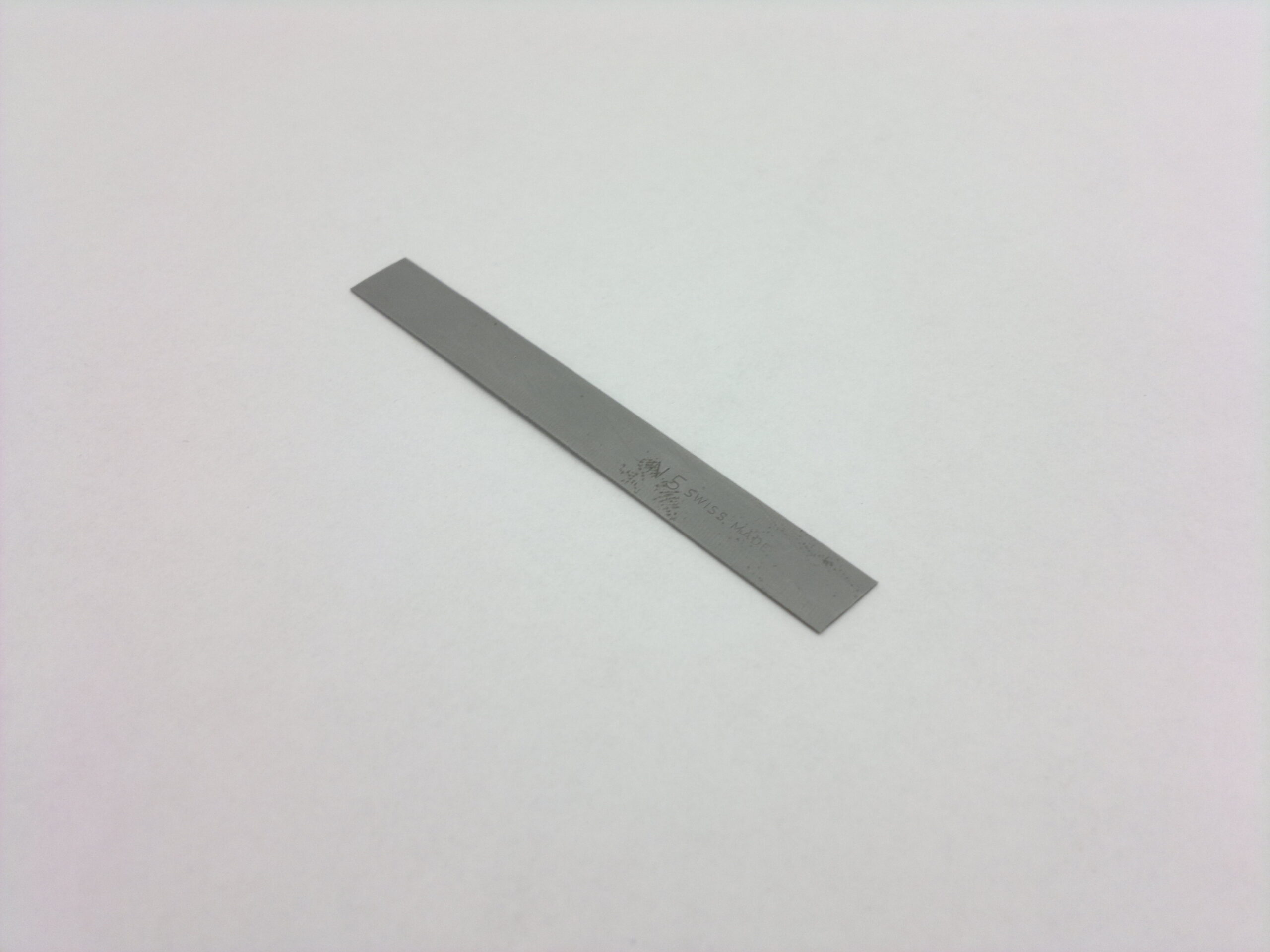
A straight reference edge reveals surface irregularities as a gap against the light.
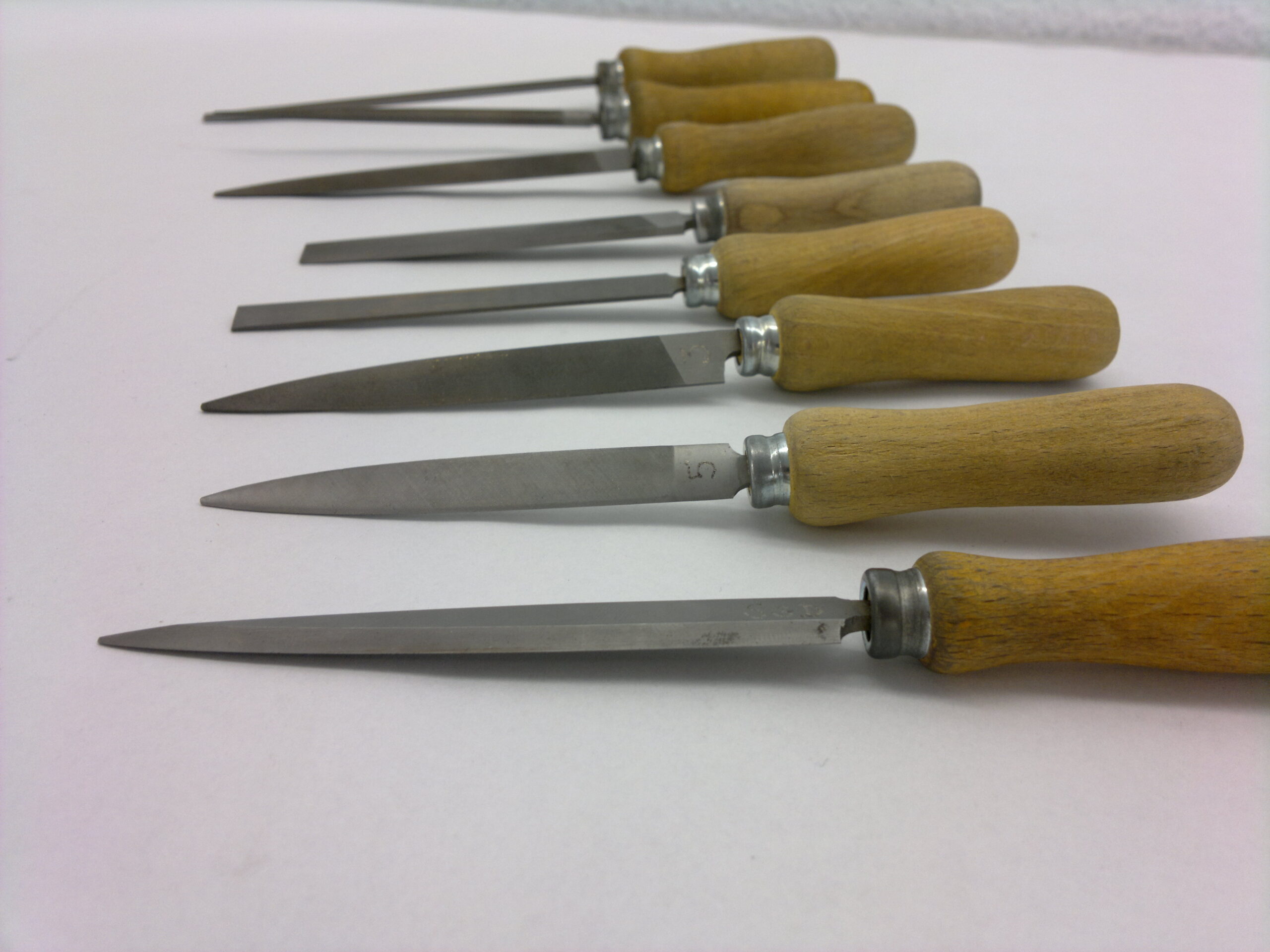
Different sizes, cross-sections and cuts cover rough and fine shaping by hand.
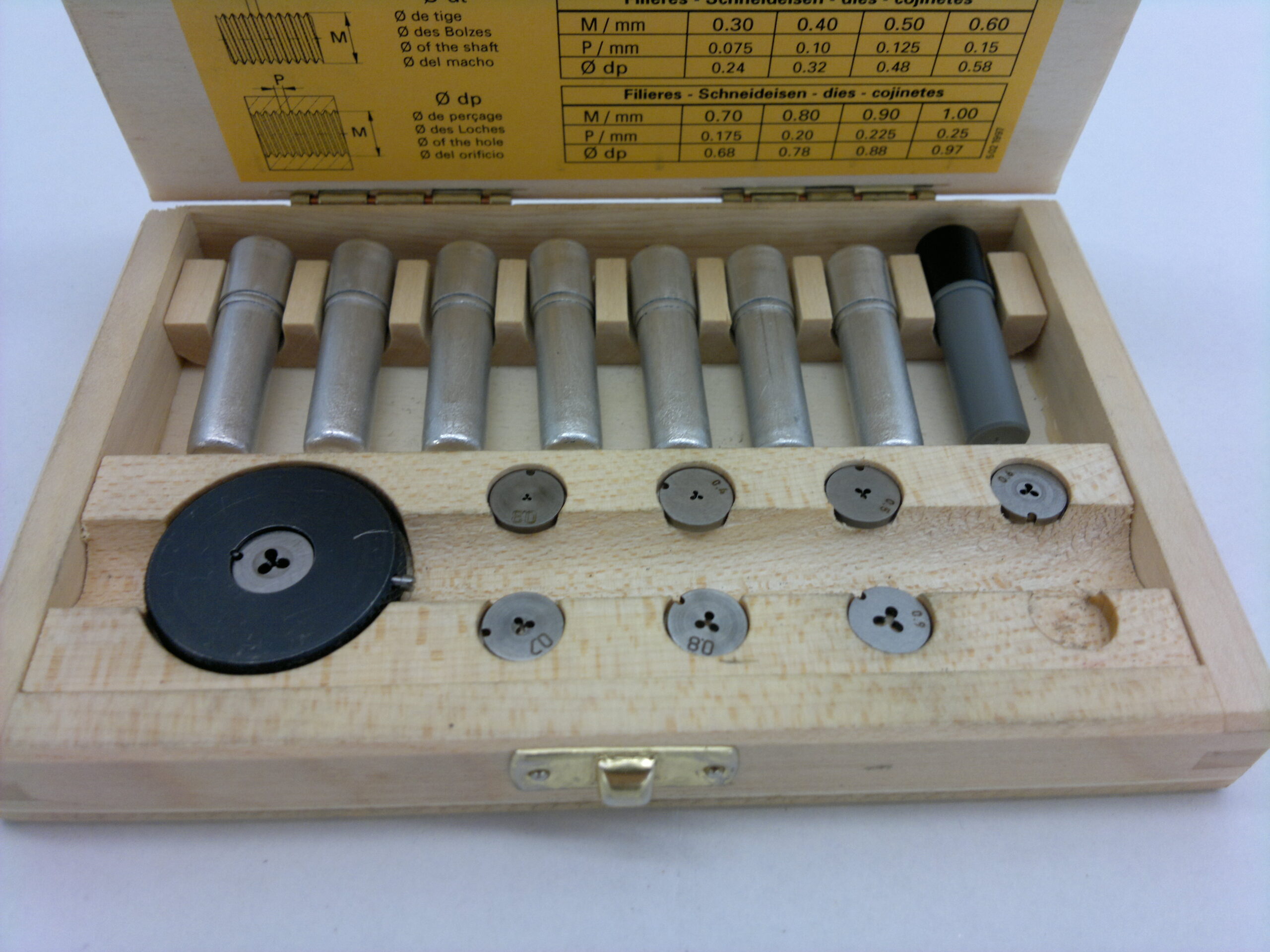
Tools for making small internal and external threads on watch parts.
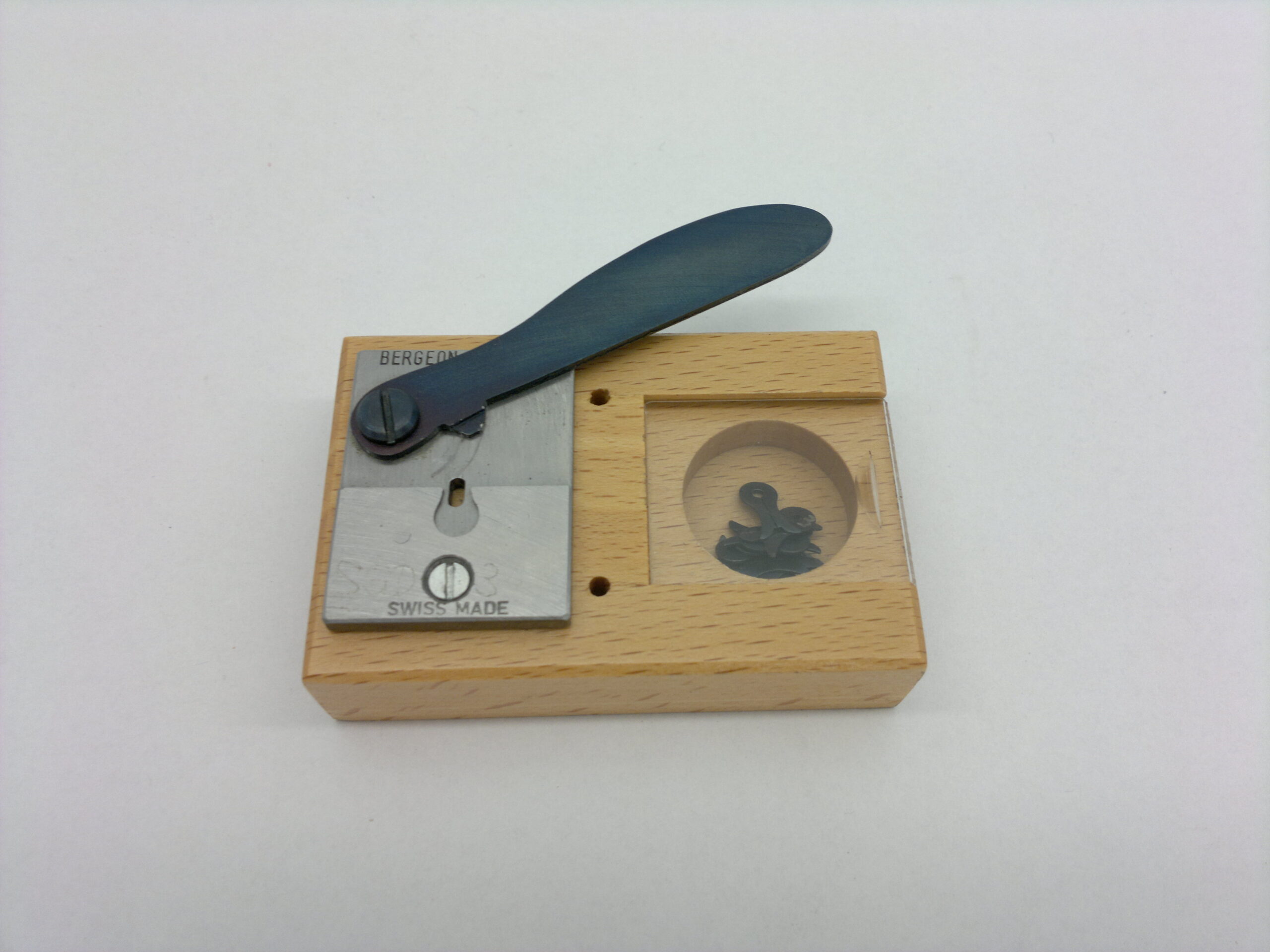
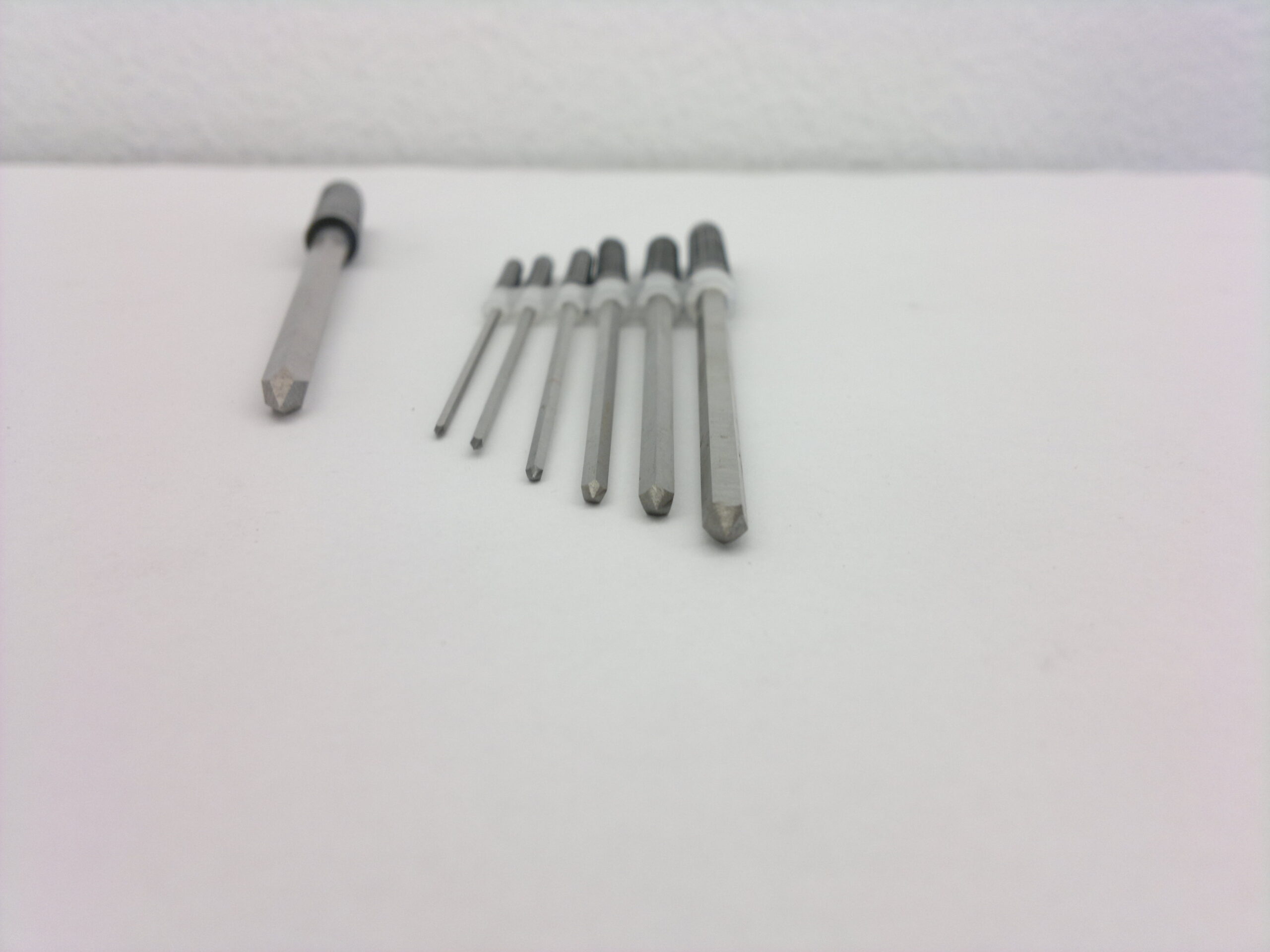
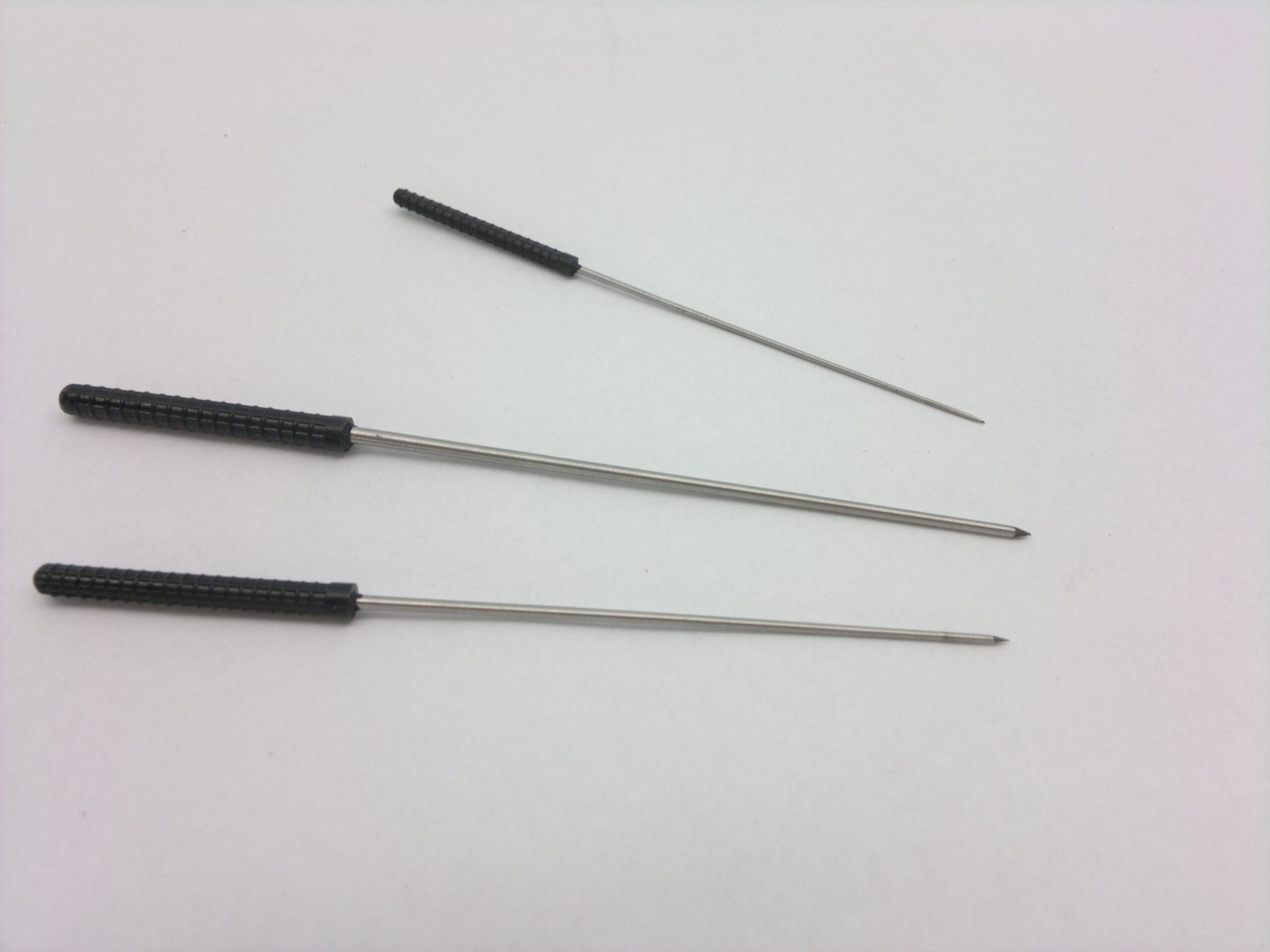
The fine cross-sections are suitable for small contours and recesses.
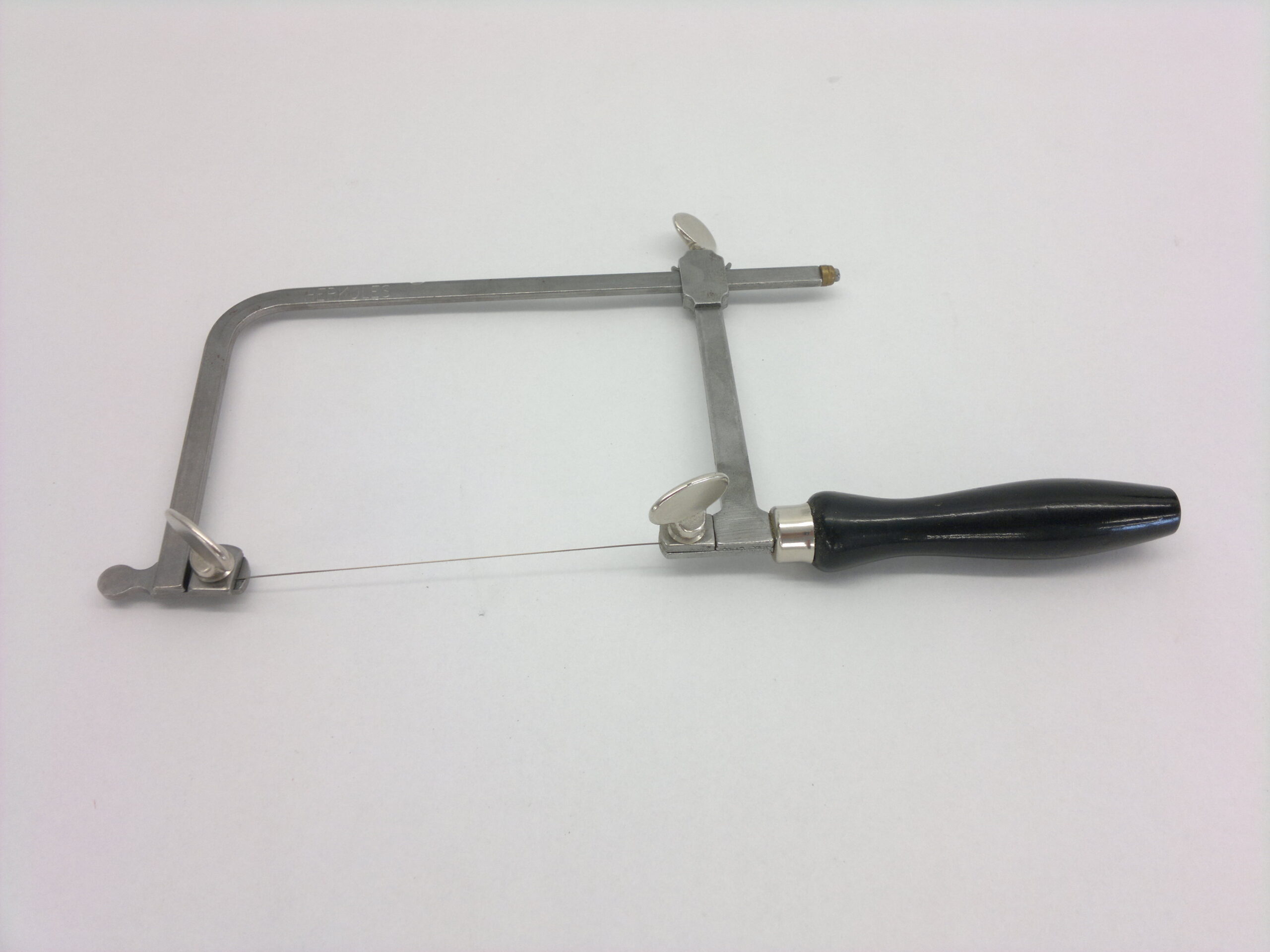
The thin saw blade cuts through material and saws contours or internal openings.
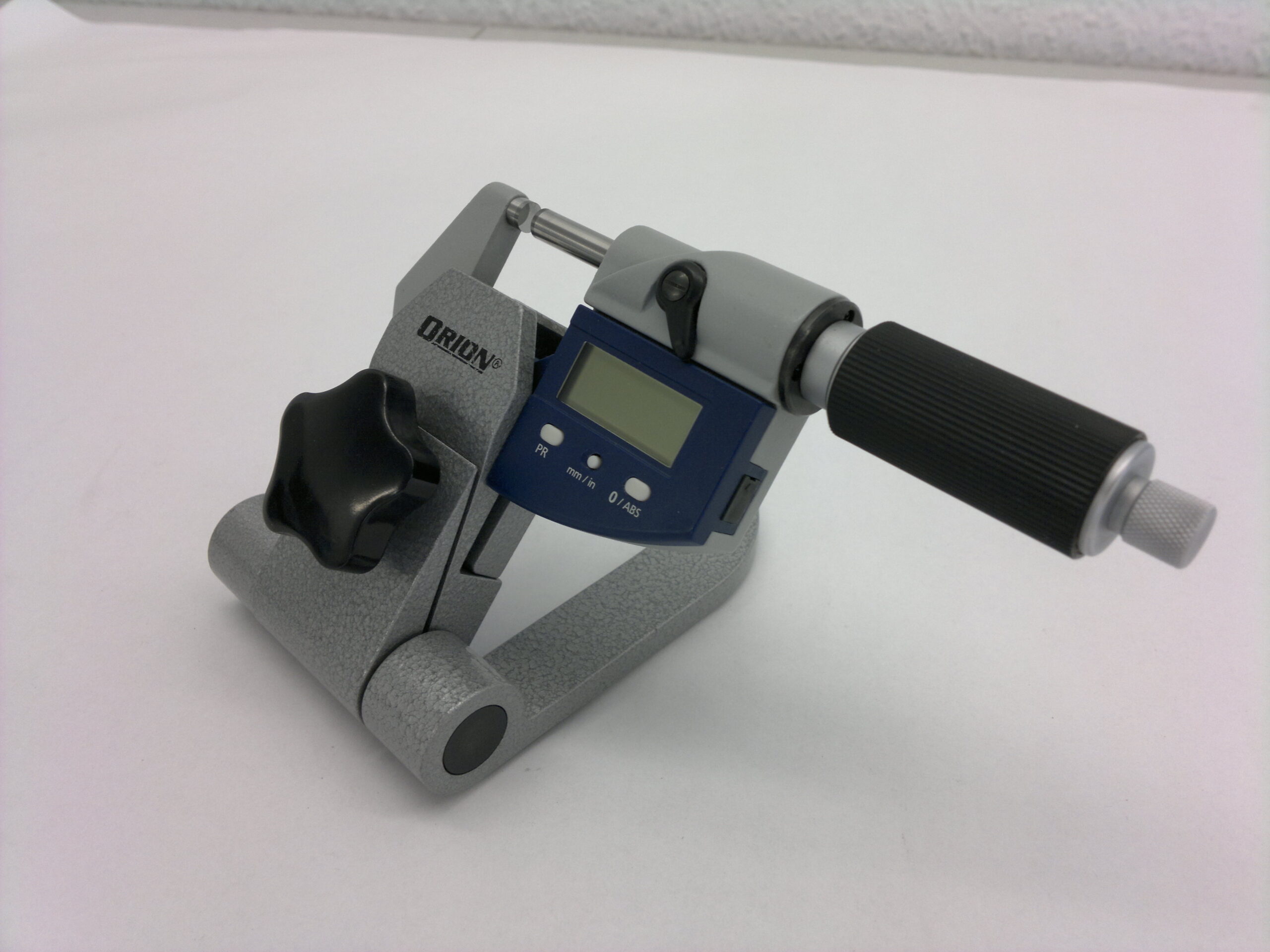
The measuring faces take external measurements; the digital display makes them easier to read.
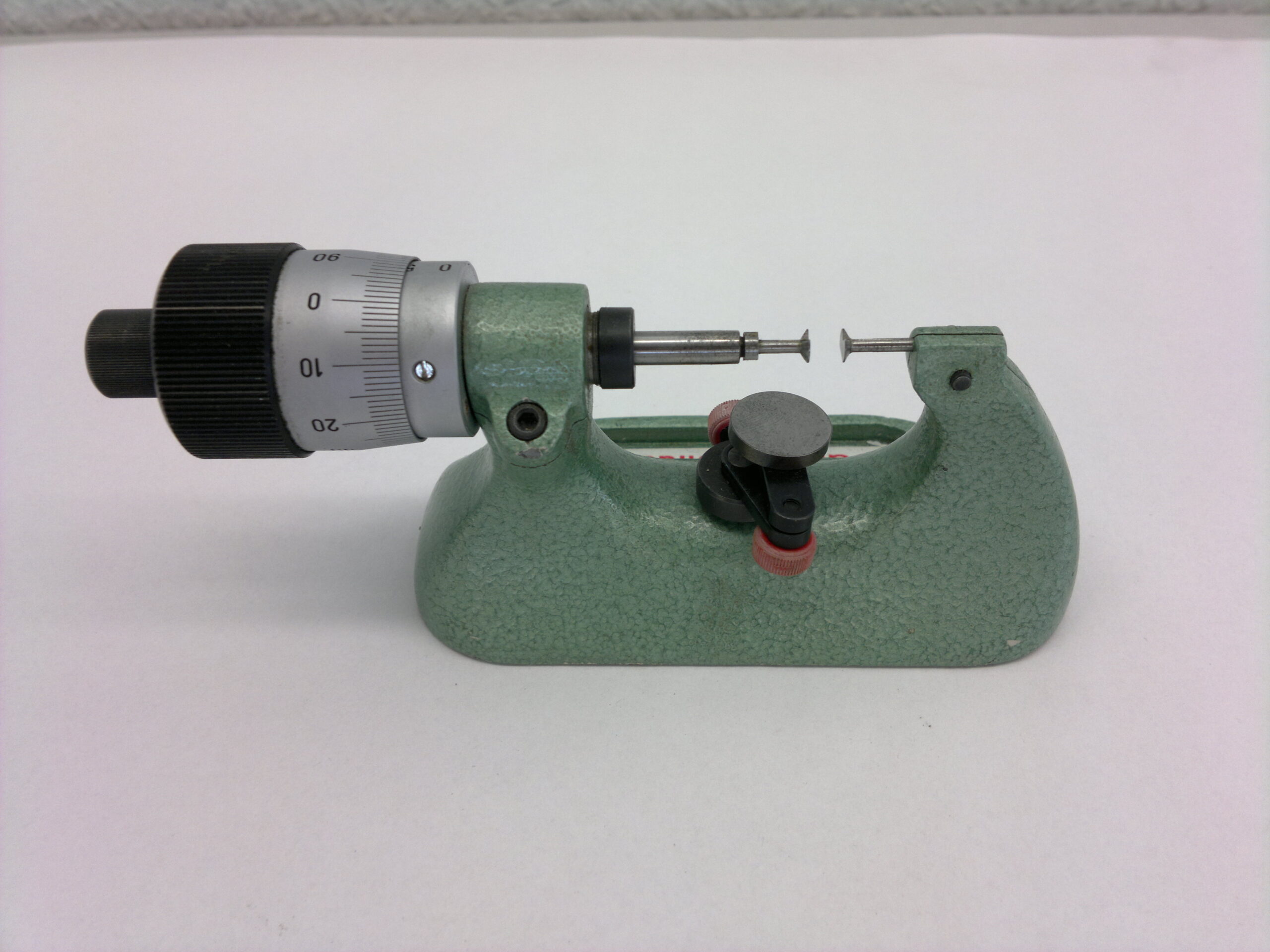
Small external dimensions are checked using the finely adjustable measuring spindle.
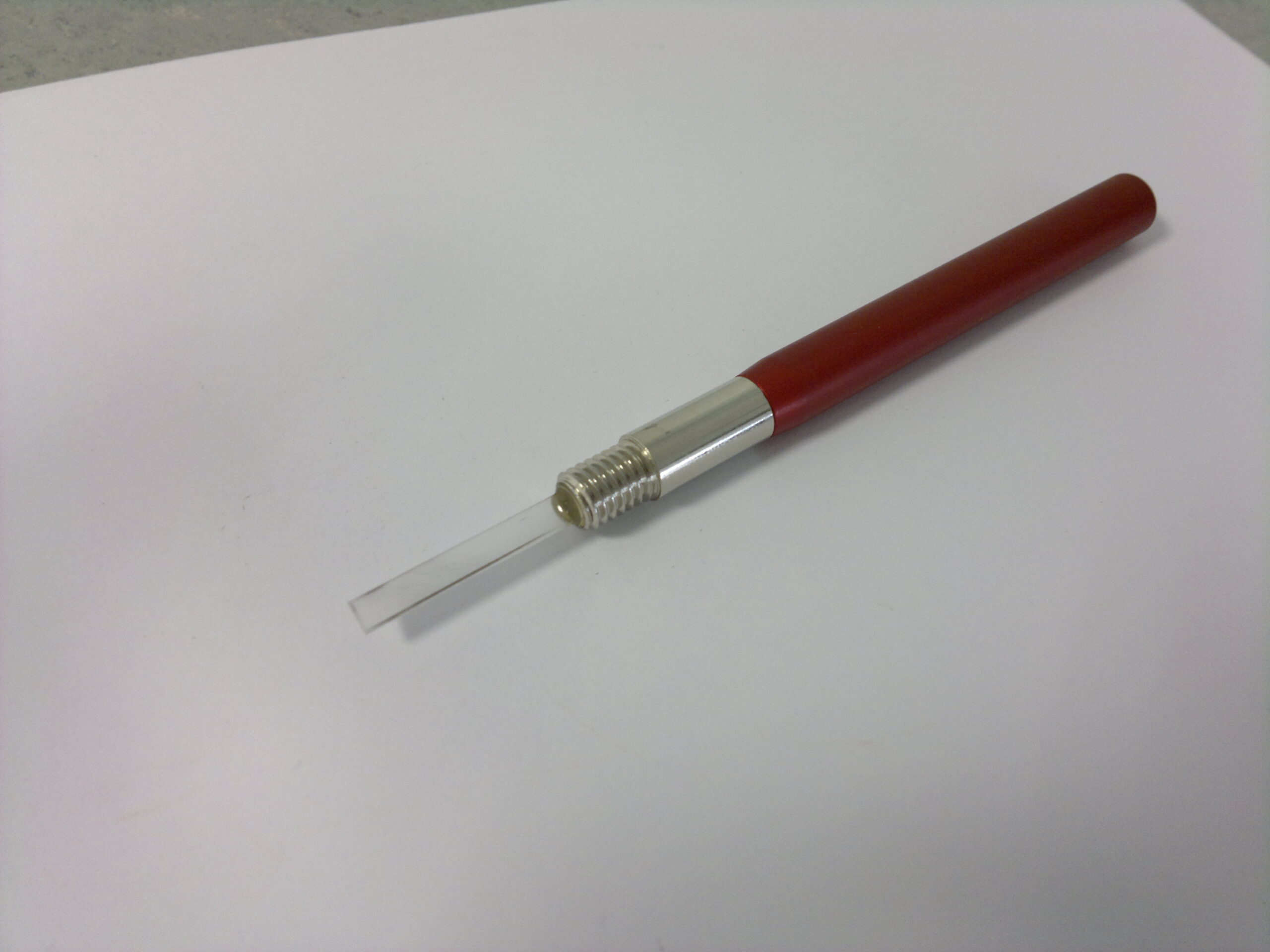
The fork compresses the spring bar; the pin helps release it through accessible holes in the lugs.
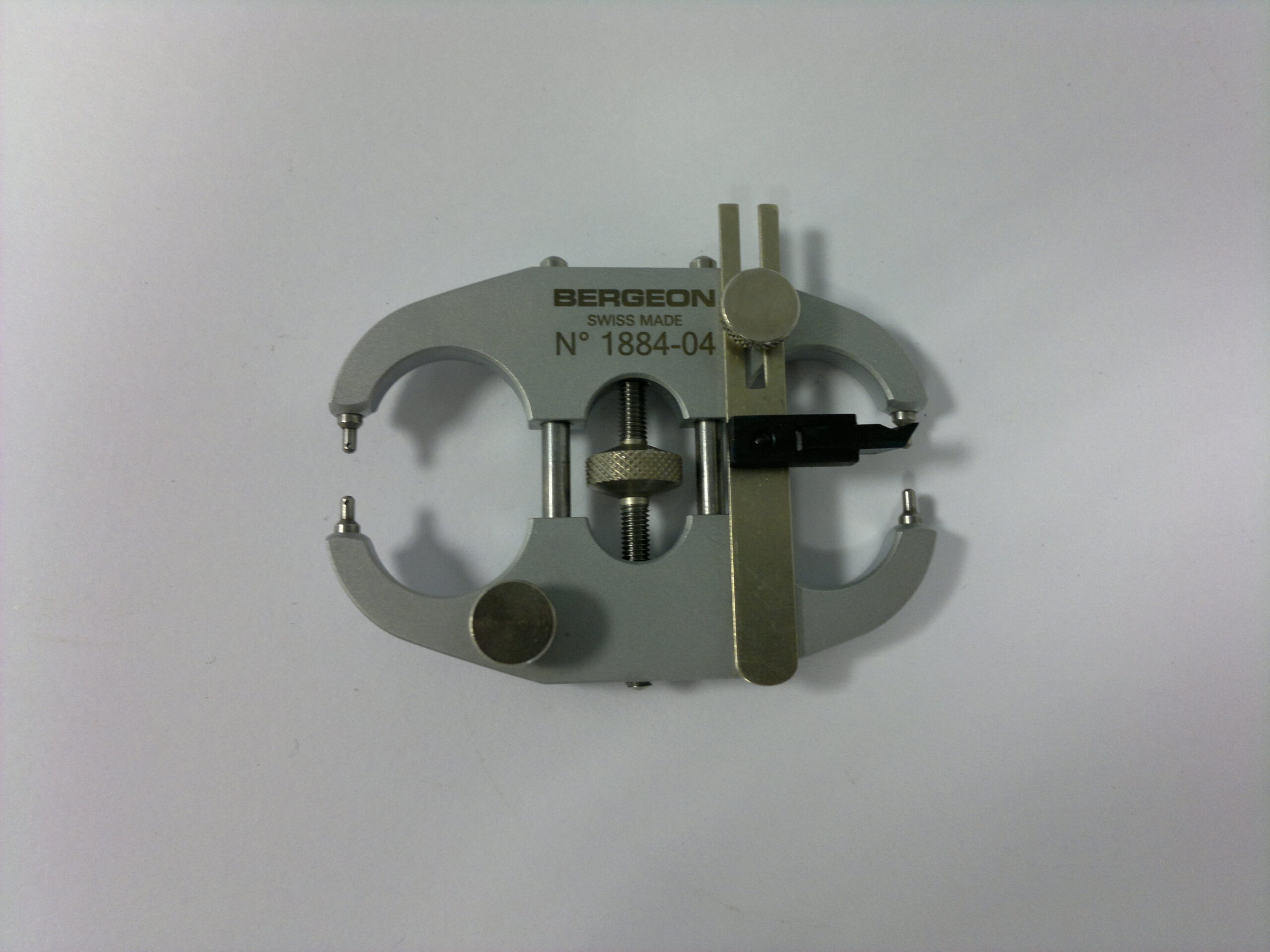
The pivots rest on two horizontal knife edges. A heavy spot on the balance rim turns downwards and reveals static imbalance.
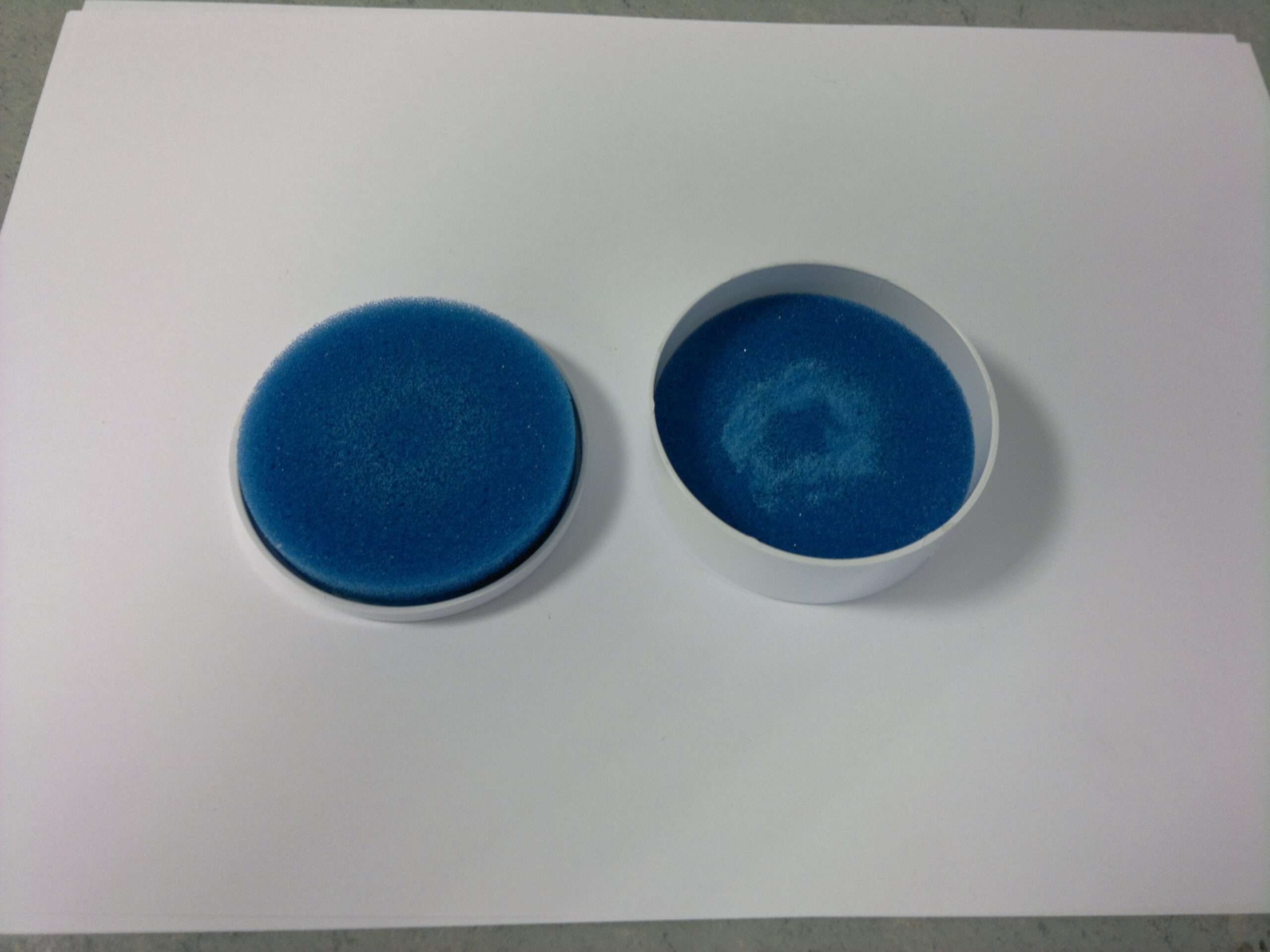
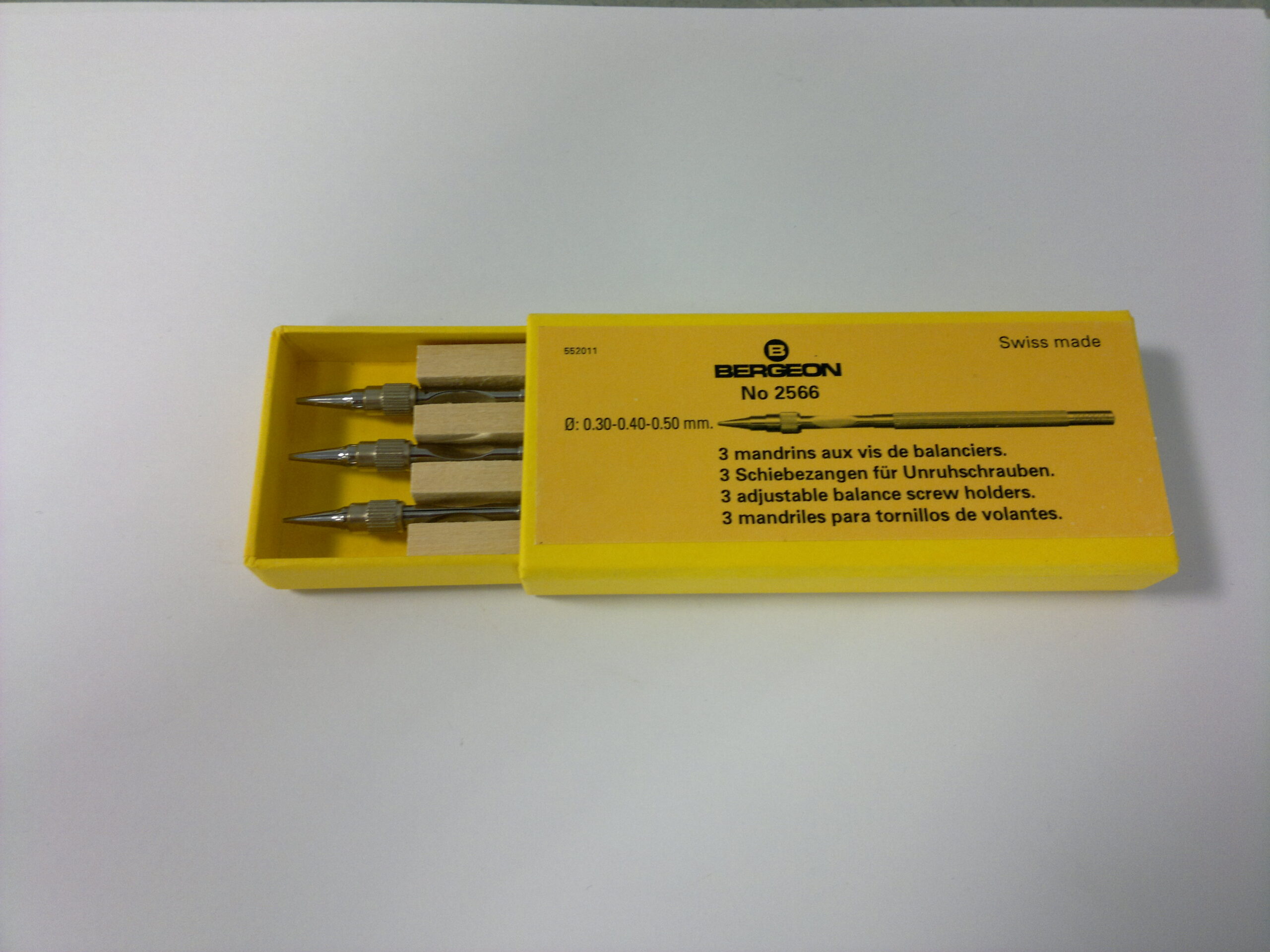
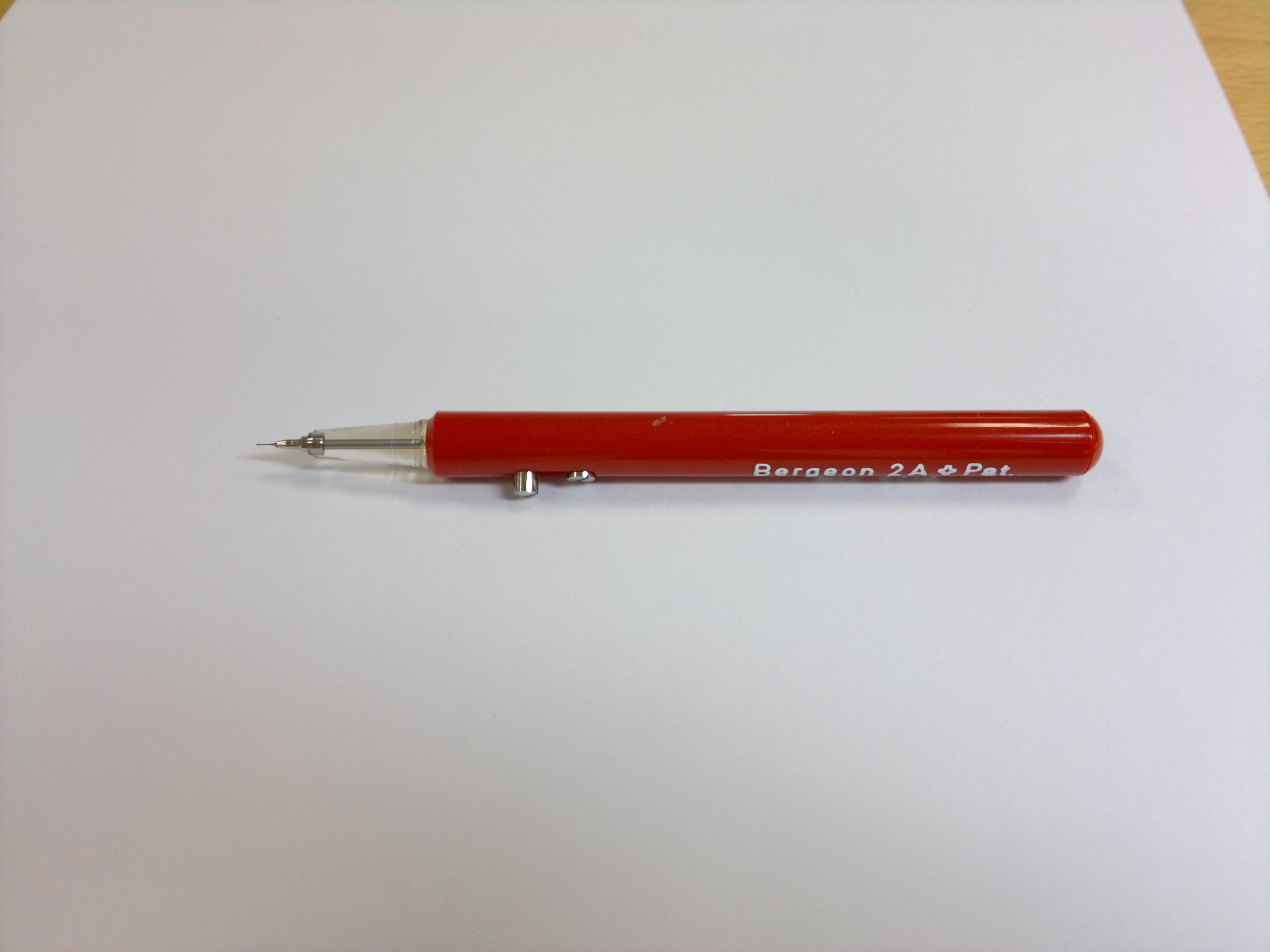
These small holding tools grip balance screws for controlled machining.
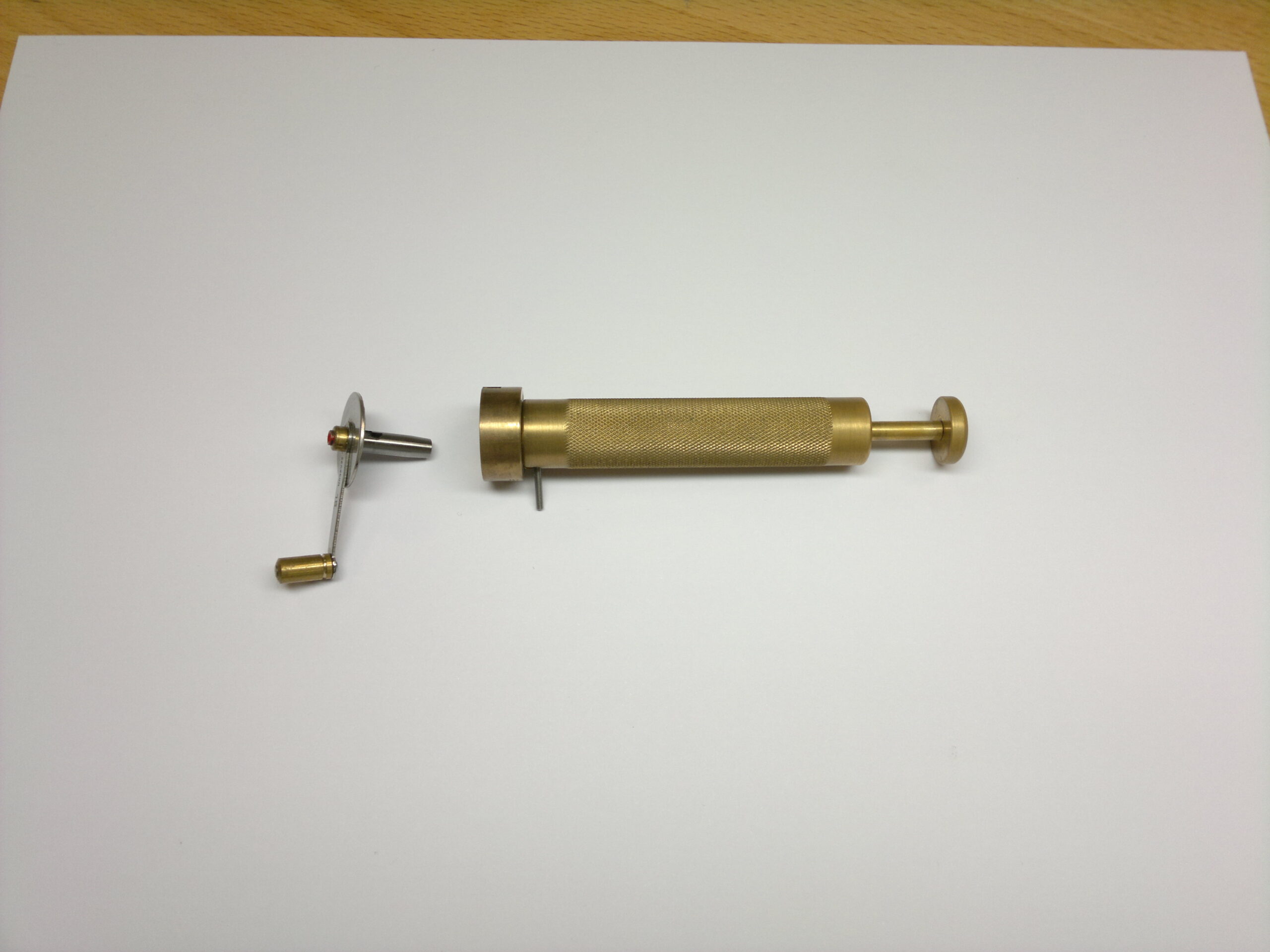
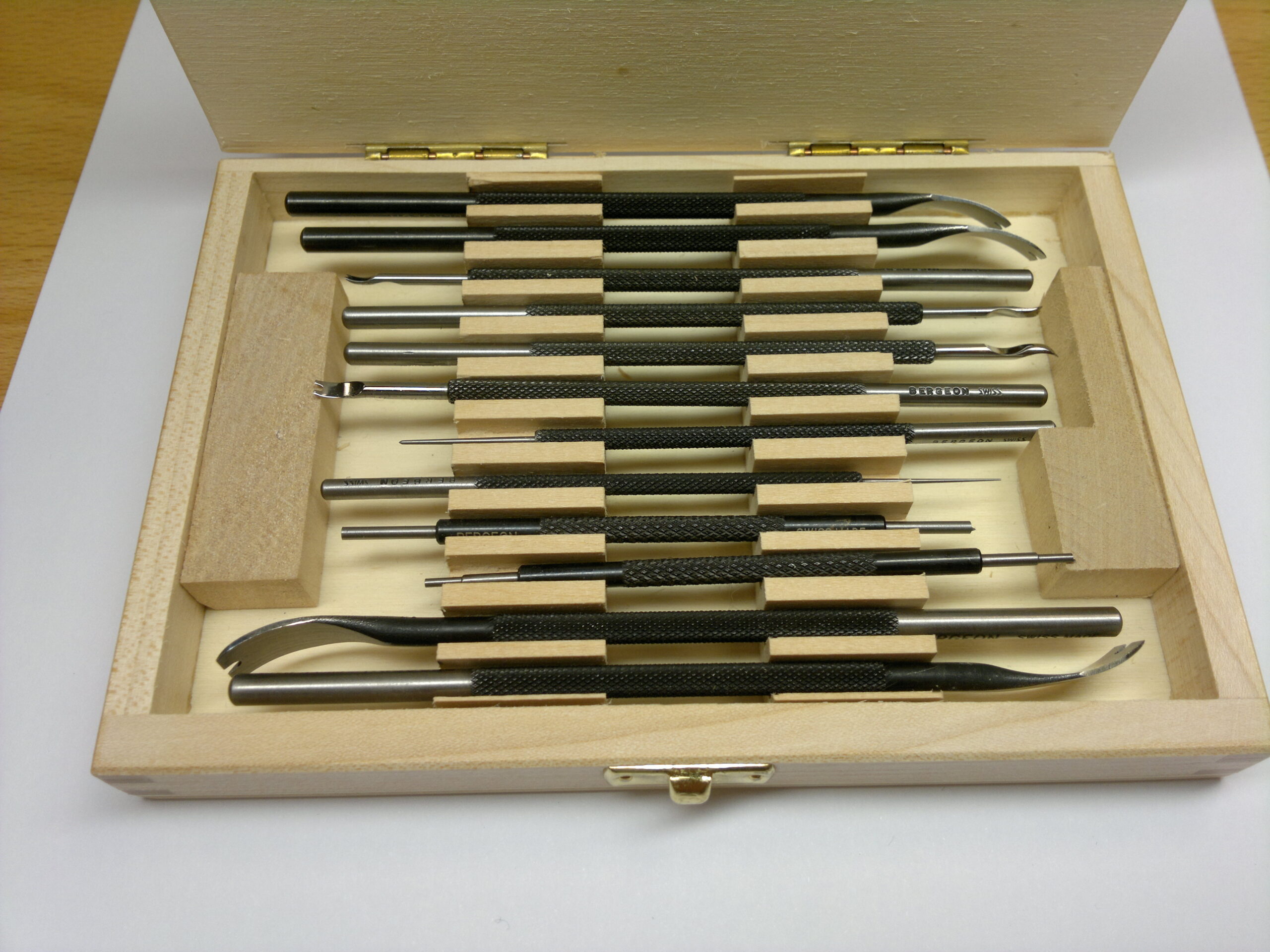
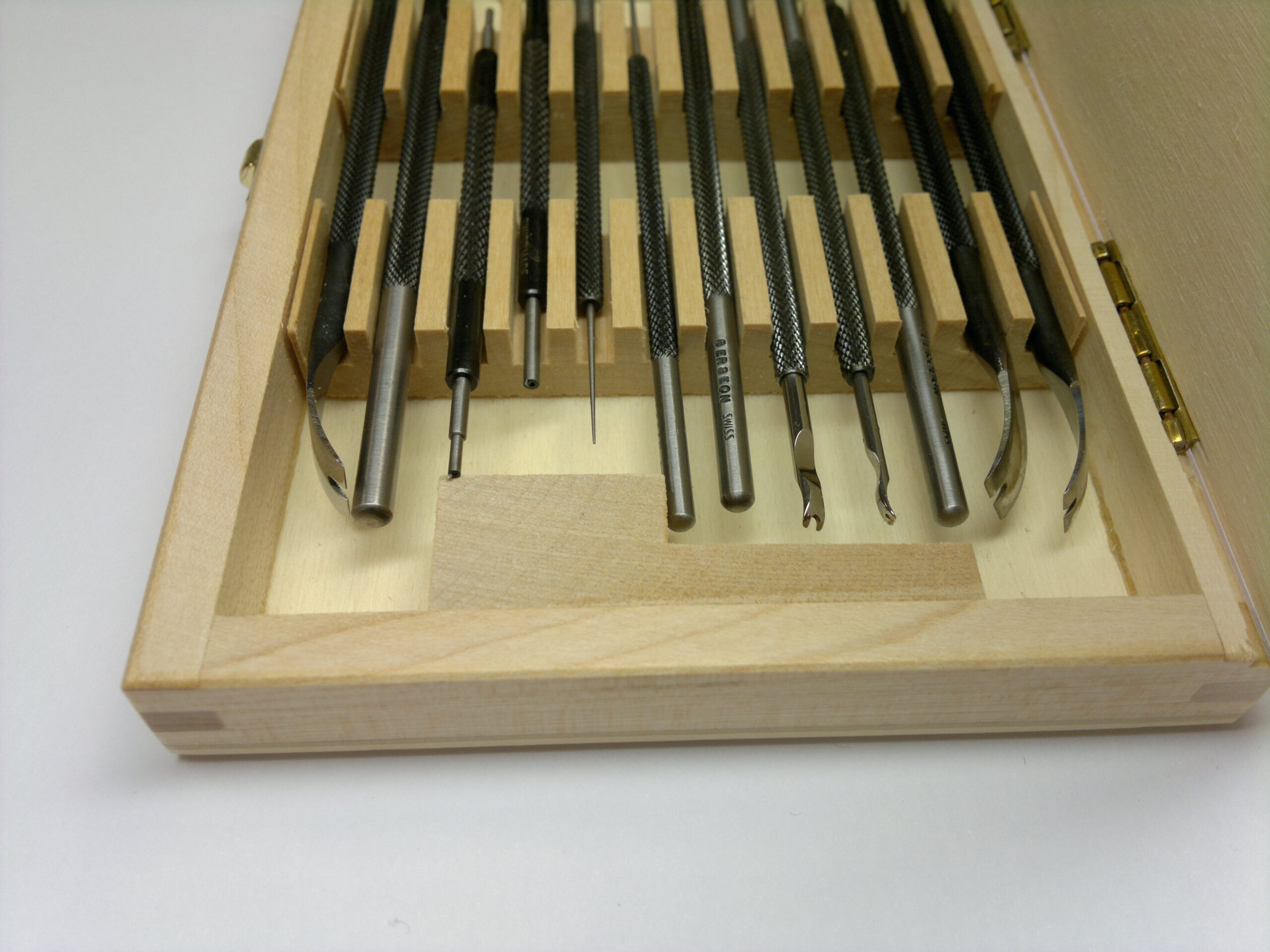
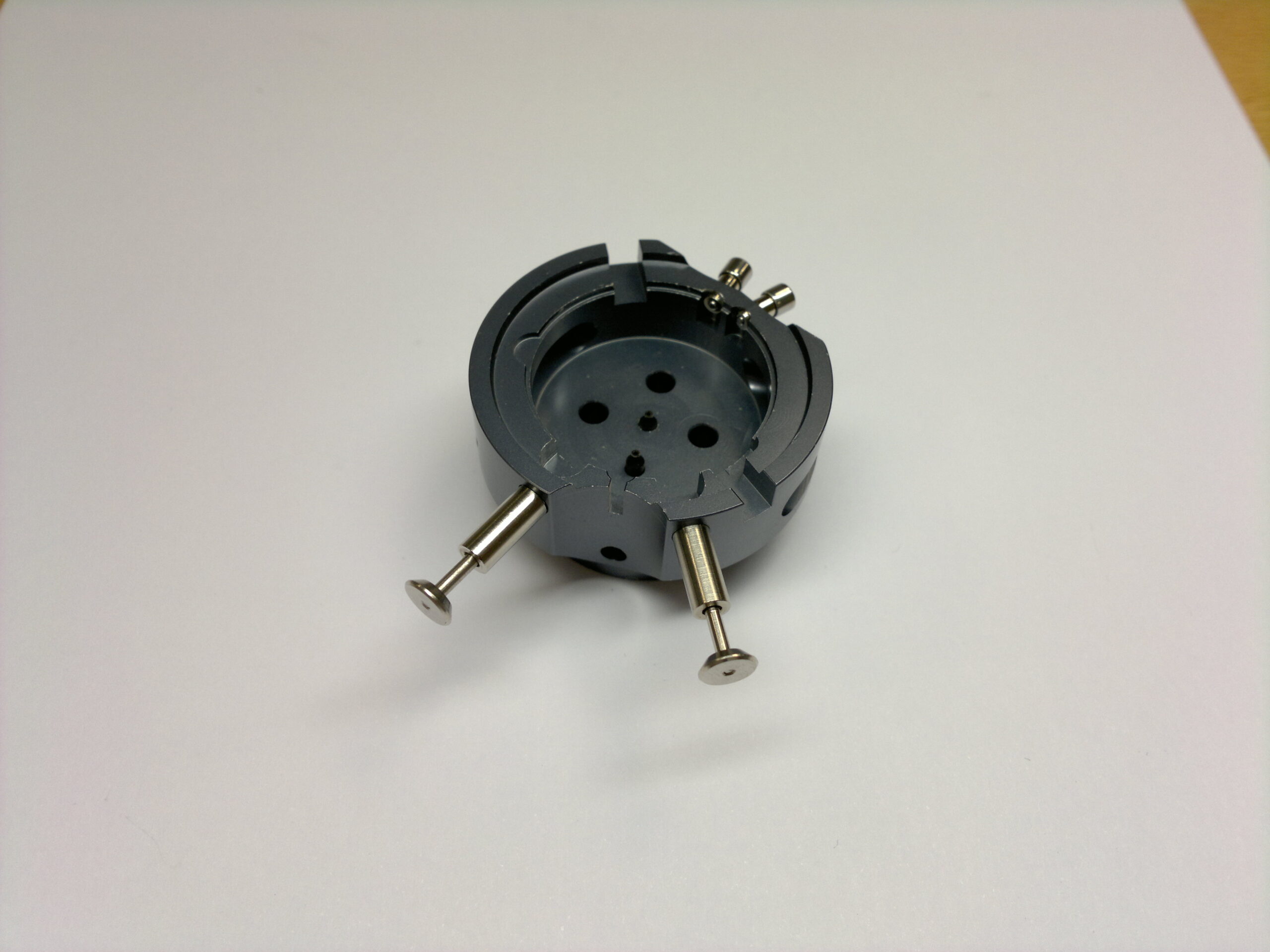
The holder supports and secures the uncased movement during work.
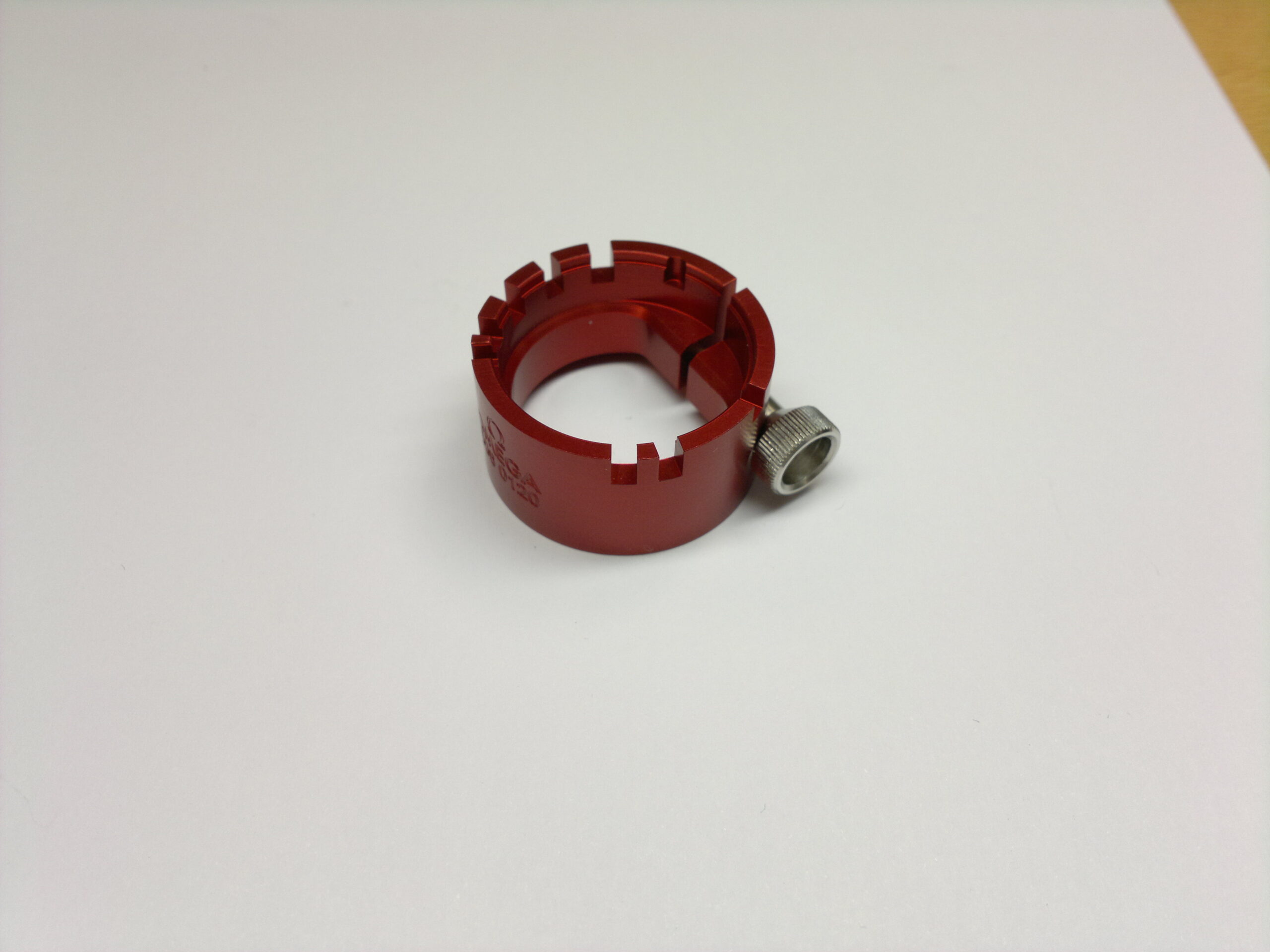
A ring-shaped support holds the uncased movement.
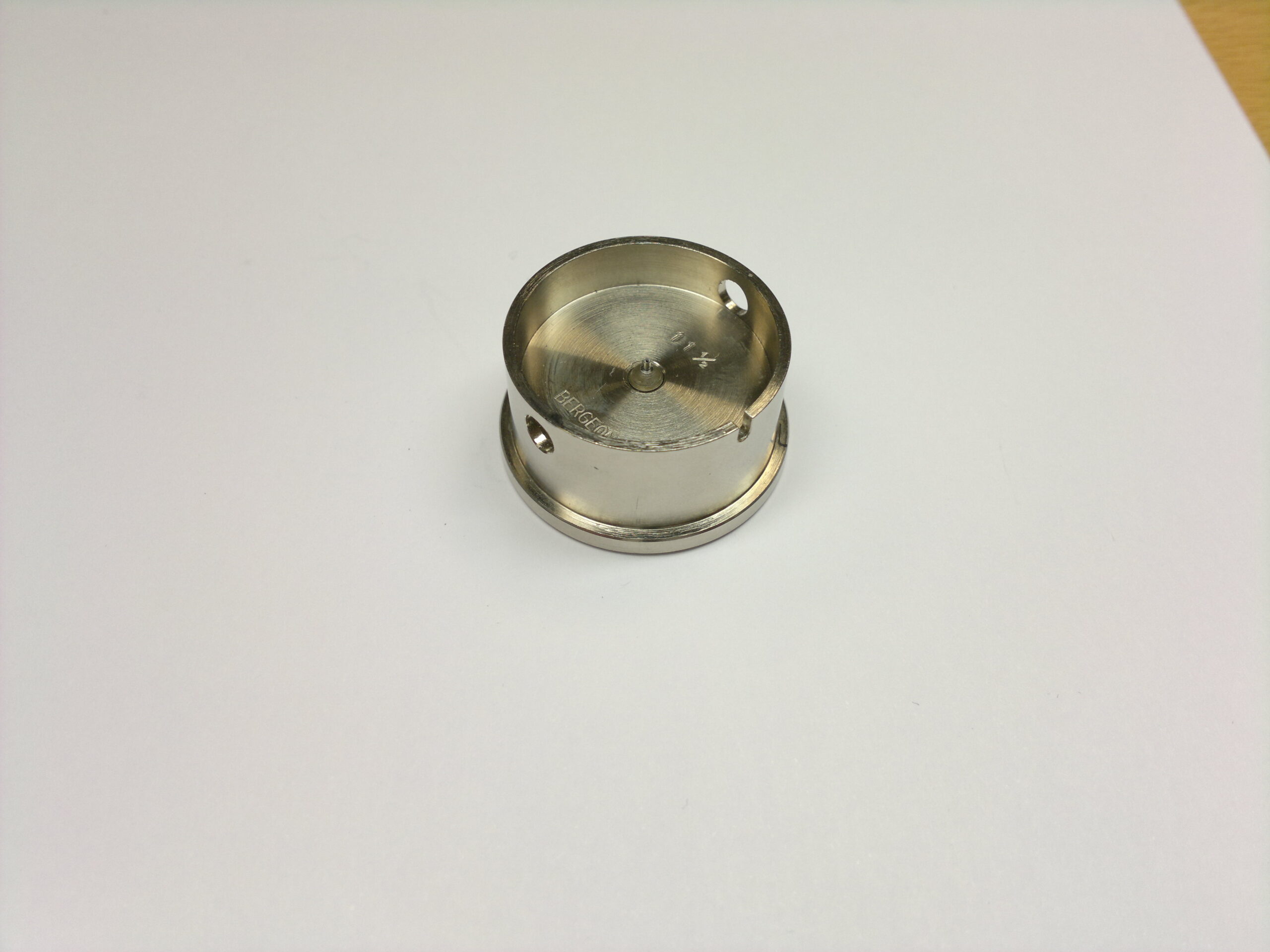
The suitable support protects the movement from direct contact with the bench surface during assembly and inspection.
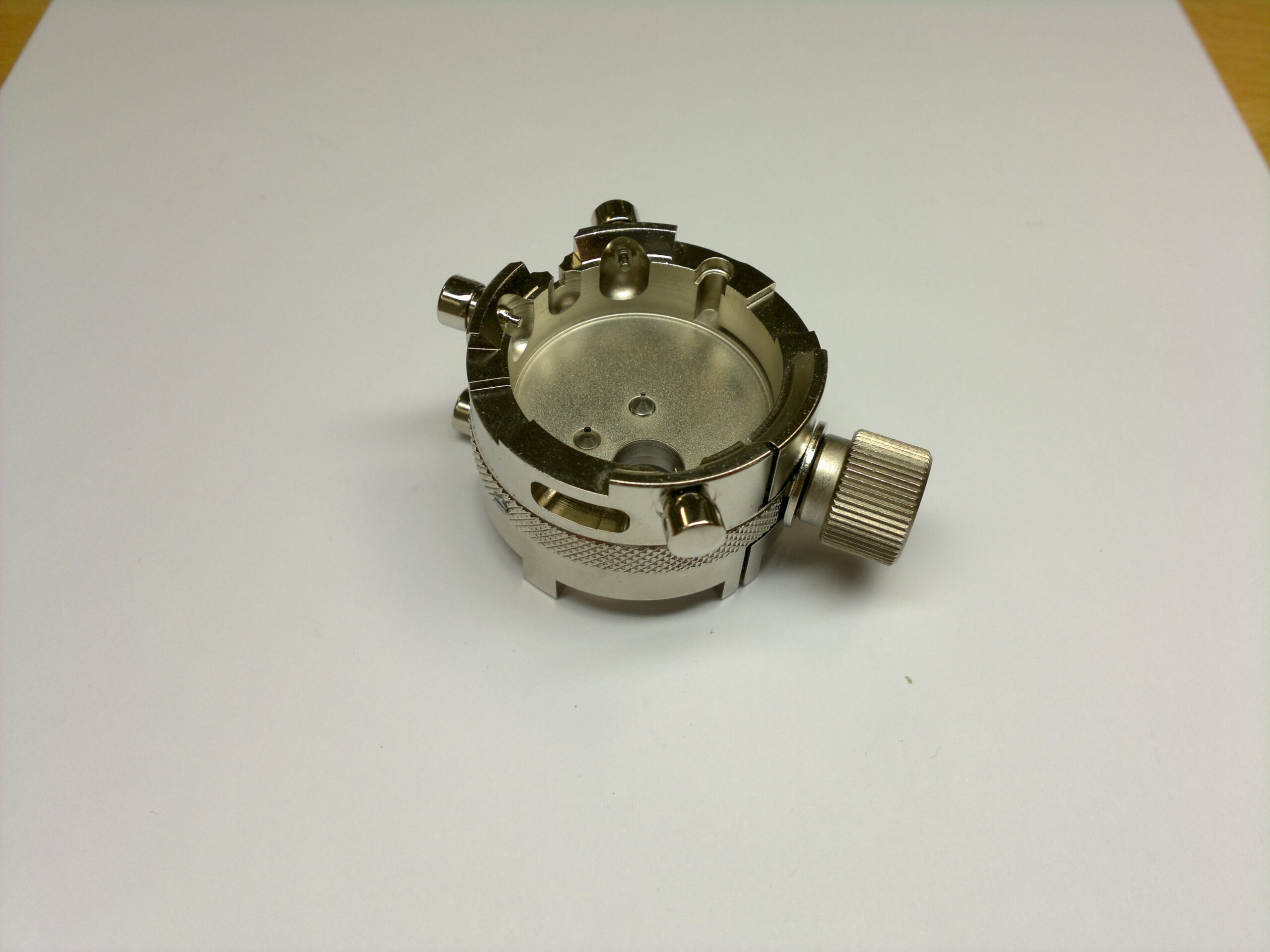
Adjustable supports and clamping points allow the holder to accommodate different movements.