Basic knowledge about wristwatches
…for complete beginners
Anyone considering buying a wristwatch should know a few basics about its technology to help them make a better decision.
Wristwatches can essentially be divided into two different categories, each with different requirements:
- Mechanical watches – Watches that work entirely without electricity or electrical components
- Electronic watches – Watches with electronic control at some point in the movement
Mechanical watches
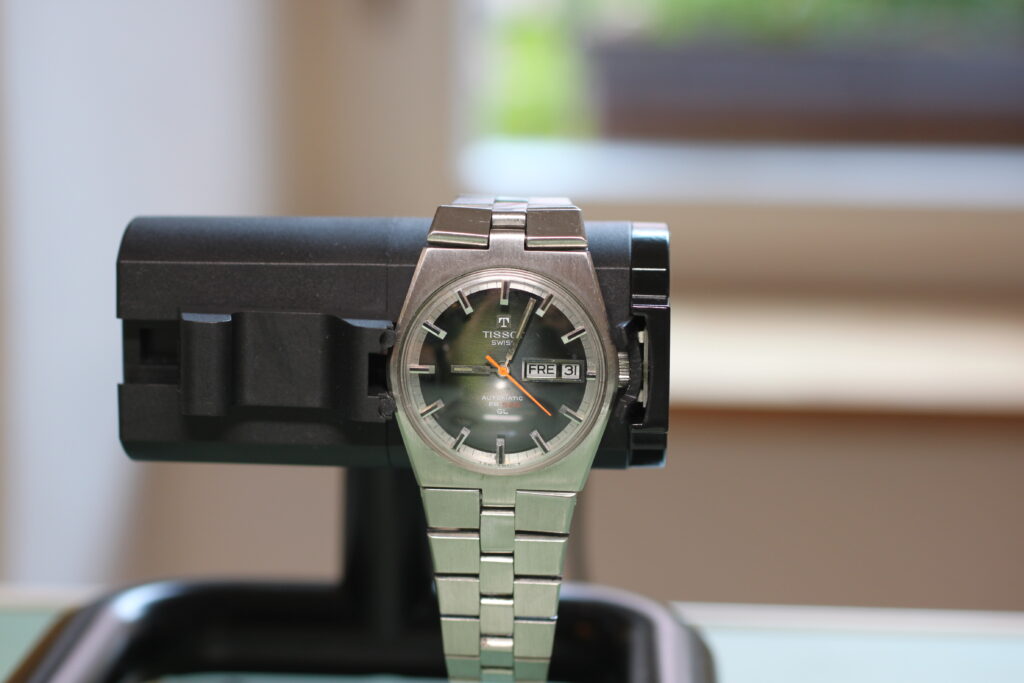
These watches contain not a single electronic component and consist entirely of small gears, levers, springs and other parts made from steel, brass and ruby ("jewels" / "bearing jewels" / "jewel").
To keep the watch running, it often has a mechanism that winds it through the movement of the wearer’s wrist and arm. If the watch is worn normally for a few hours every day, it keeps running without ever having to be wound manually. These watches are called automatic or self-winding watches.
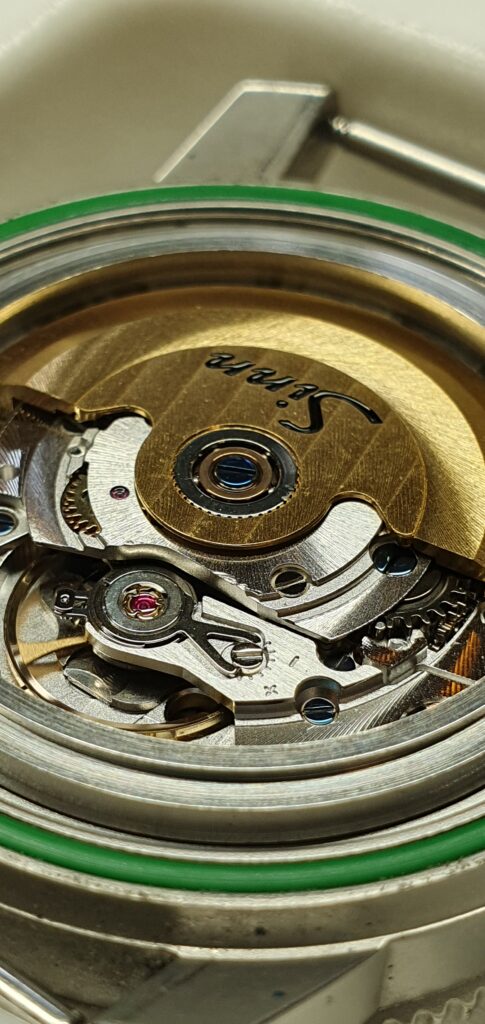
If an automatic watch is not being worn but you still want it to keep running, it can be wound using the crown and will then run for one or two days without being worn. If it has been left for longer and stops, wind it using the crown and reset the time; this takes about a minute.
There are also mechanical watches that cannot wind themselves automatically (nowadays rather uncommon). These generally need winding with the crown each morning and then run for at least a day. They are called manually wound watches.
If the watch has not been wound for a while and stops, wind it using the crown and reset the time; this takes about a minute.
Mechanical watches are not as accurate as quartz watches; the error is usually one to several minutes per week.
If this gain or loss is too much for you, reset or adjust the time; with a little practice, this takes only a few seconds.
A mechanical watch of ordinary quality should run for several years when worn daily without major problems or needing an "inspection". Higher-quality watches, if treated well, can be worn for longer, sometimes even five to fifteen years, although pushing these intervals to the limit is not recommended. A mechanical watch should be taken to a watchmaker for inspection after five years at the latest.
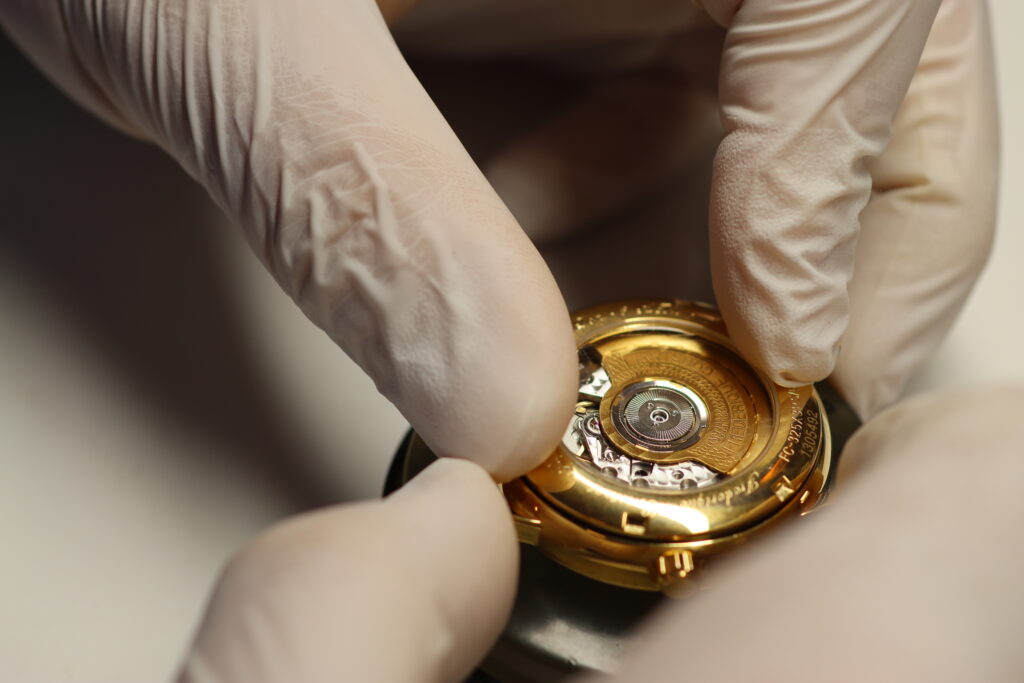
As required, the watch is then completely dismantled, worn parts and seals are replaced, the movement is cleaned, and the watch is properly lubricated and adjusted again. The longer the service intervals, the more expensive the repairs and replacement parts that may be needed.
A watch can have many additional functions and features. Some examples are:
- "Chronometer" – The watch is particularly accurate, usually gaining considerably less than one minute per week.
- "Automatic" – The watch winds itself as it is worn on the wrist.
- "Date" – In addition to the time, the watch displays the date (without the month and year)
- "Chronograph" – In addition to displaying the time, the watch has an integrated stopwatch.
Electronic watches
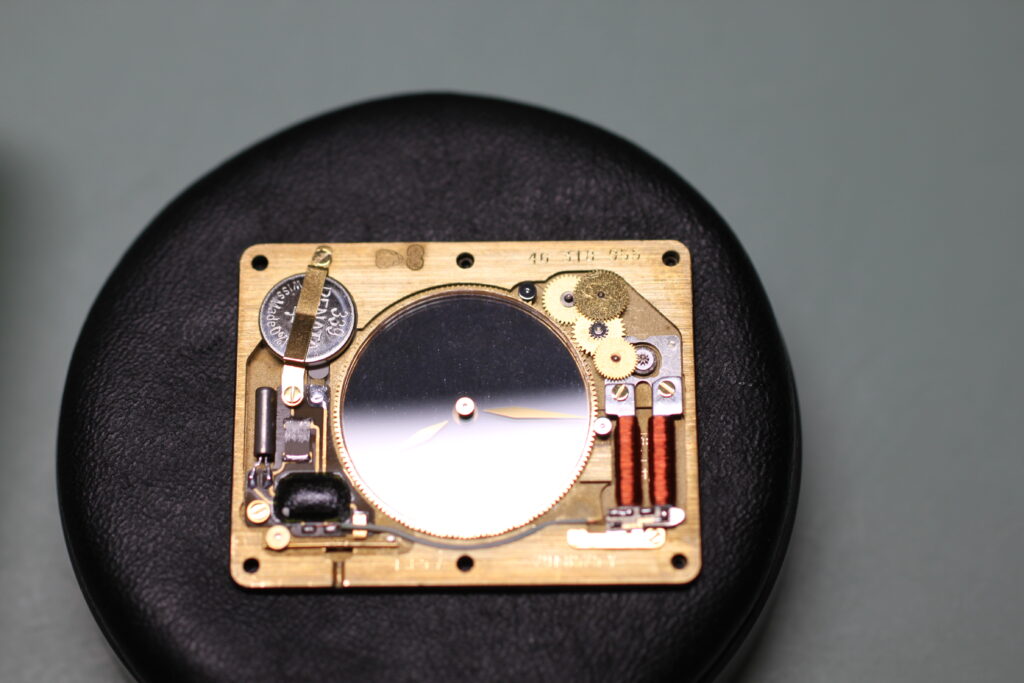
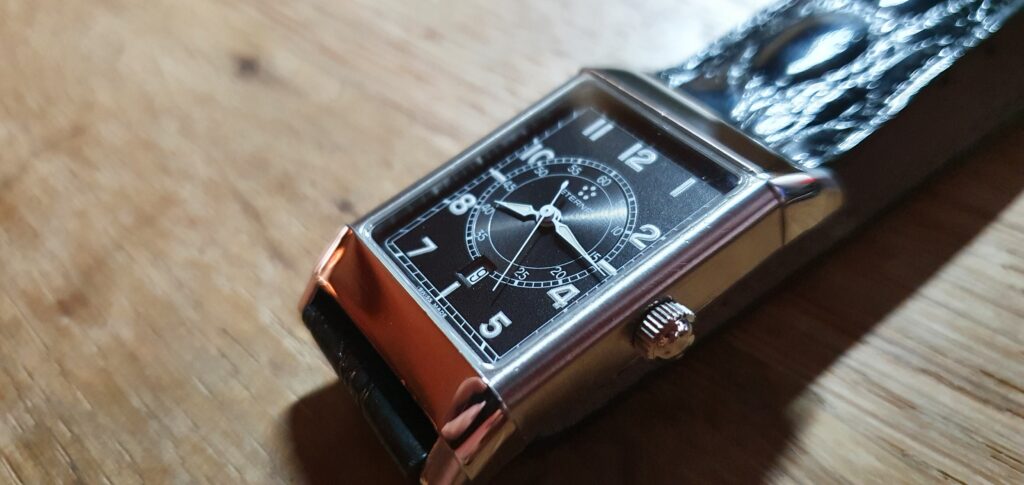
In these watches, the displayed time is usually determined by a small quartz crystal, which is why they are commonly called "quartz watches". The quartz crystal is driven by a small chip that needs electricity to function. These watches therefore contain either a battery or another assembly capable of generating electricity. A quartz watch can nevertheless also contain mechanical parts, such as gears. This is the case, for example, whenever the watch has hands. Only quartz watches with a digital display (a display rather than hands) usually consist entirely of electronics.
To run, the watch needs either a battery that must be replaced about every two years, or an integrated mechanism capable of generating electricity. Examples include solar watches, which generate electricity from light, and automatic quartz watches (Autoquartz), which generate the required electricity through the wearer’s movements.
In a typical quartz watch, the battery needs replacing every two years. However, quartz watches with only two hands (hours and minutes) can run considerably longer before a battery change is necessary (for example, five years).
Automatic quartz watches never need a battery change; they keep running as long as they are worn. If the watch stops, simply put it on and reset the time. The automatic winding system is, however, another mechanical assembly that will need repairing by a watchmaker after some years because of wear.
Quartz watches are generally very accurate; the error is usually a gain or loss of only a few seconds per month. They are often set only twice a year, when changing between summer time and standard time.
Quartz watches described as "radio-controlled" set themselves and therefore always show the correct time to the second.
Like any other watch, a quartz watch should occasionally be taken to a watchmaker for an "inspection". After a while, small dirt particles slow down and interfere with the mechanical components, resulting in high power consumption and short battery life. The seals must be replaced to prevent dirt and moisture from entering, so that the gears, electronic tracks and contacts do not corrode.
Under no circumstances should you use bargain battery-change offers. What a good watchmaker does and checks during a battery service will be described in detail later in this blog.
A watch can have many additional functions and features. Some examples are:
- "Automatic" – The watch winds itself as it is worn on the wrist.
- "Date" – In addition to the time, the watch displays the date (without the month and year).
- "Chronograph" – In addition to displaying the time, the watch has an integrated stopwatch.
When purchasing a new wristwatch, you have statutory rights against the seller in respect of defects; claims generally become time-barred after two years. A guarantee is an additional undertaking by the manufacturer or seller and may have different conditions. If the watch does not function correctly in normal use, contact the seller or, where an applicable guarantee exists, the guarantor. Further information on statutory warranty rights and guarantees is provided by the Federal Ministry of Justice.
You will find further explanations of oscillators, beat rate and escapements in the article Technical terms.